


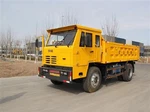
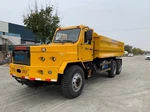
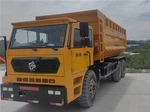

Mine Dangerous Goods Carrier
In underground mining operations-whether involving coal or non-coal mines-the underground transport of hazardous explosive materials, such as dynamite, constitutes a critical weak link in ensuring mine safety. Underground workspaces are characterized by their narrow, confined nature and high humidity; furthermore, mine roadways are prone to the accumulation of combustible gases, such as methane. Consequently, the operational environment is inherently complex and presents a concentrated array of safety hazards. During operations, the accumulation of static electricity generated by material transport equipment-as well as sparks resulting from mechanical friction and impact-can potentially ignite combustible gases or detonate hazardous chemicals, thereby triggering major safety accidents. Post-accident analyses of mining incidents reveal that a significant number of hazardous chemical-related accidents are directly attributable to non-compliant practices during underground transport. The primary root causes typically stem from design flaws in transport equipment, the failure of equipment to undergo formal safety inspections, and non-compliance with operational protocols during daily use. For instance, standard transport containers lacking anti-static and shock-protection features can easily generate sparks during the bumpy movement inherent to underground travel or during minor impacts involving the transported materials; should these sparks come into contact with flammable or explosive substances, a cascading series of safety accidents may ensue. Therefore, the selection of specialized vehicles for transporting hazardous chemicals-vehicles that meet specific underground mining standards and demonstrate stable performance-stands as a pivotal measure for safeguarding the personal safety of frontline personnel and ensuring the continuous, stable execution of mining operations.
Specialized vehicles for the underground transport of hazardous mining chemicals are mobile storage and transport units specifically engineered to adapt to the unique operating conditions found underground. Their core design objective is to mitigate, isolate, and neutralize various safety risks inherent to the material transport process-addressing these risks at the source-through the integration of multiple layers of safety protection structures. The overall design is underpinned by two core technological pillars: robust physical protection structures and the utilization of specialized high-performance materials, thereby ensuring full compatibility with the confined, hazardous, and potentially explosive environment of underground mines.
The design of explosion-proof structures serves as the foundational safety safeguard for this equipment. The vehicle features a fully enclosed, integrated structural design; its body is constructed from thickened, specialized steel plates, endowing the entire unit with exceptional resistance to impact, deformation, and compressive forces. This robust construction enables the vehicle to withstand external forces commonly encountered in underground operations-including minor equipment collisions, impacts from falling rocks within roadways, and fluctuations in ambient atmospheric pressure. This structure effectively isolates external ignition sources-such as sparks, mechanical impact, and high-temperature heat sources-thereby preventing external hazards from triggering explosions within the hazardous chemical payload. It is specifically designed for high-risk underground operational environments characterized by the diffusion of combustible gases, establishing a robust physical barrier for explosion prevention.
Static electricity control is a critical technical imperative in the underground transport of hazardous chemicals, serving as the key to eliminating static-induced ignition accidents. Static electricity generated by the operation of underground equipment and the friction and agitation of materials constitutes one of the primary ignition sources during the transport of hazardous chemicals in mining environments. To address this, the interior of the specialized transport vehicle is lined with a custom-engineered anti-static rubber mat. This mat undergoes a specialized modification process to ensure stable conductive properties, enabling the rapid dissipation of static charges generated by friction between the materials and their containers. The equipment is further integrated with a dedicated grounding and conduction system, which systematically channels the static electricity collected by the mat into the mine's underground rail grounding network. This ensures continuous static discharge, thereby completely preventing the accumulation of electrical charges within the containers. Verified through specialized mine safety inspections, this compliant equipment consistently maintains static voltage levels generated during operations within established industry safety limits, effectively eliminating the risk of ignition caused by static discharge sparks.
In terms of balancing safety protection with practical operational efficiency, the equipment is designed to address both security requirements and the demands of efficient underground work. The container features a dual-locking mechanism utilizing two independent mechanical locks; this dual-layer protection completely eliminates safety hazards such as unauthorized access by non-operational personnel, material loss, or improper handling, thereby ensuring that hazardous chemicals remain fully controllable and subject to oversight throughout the entire transport process. Furthermore, to accommodate the specific operational constraints of underground mines-including narrow roadways, limited workspace, and challenging loading/unloading conditions-the equipment employs a single-sided, dual-door layout. This design significantly optimizes loading and unloading operations within confined underground spaces, minimizes the duration for which hazardous chemicals remain exposed or idle during transit, and ultimately reduces safety risks throughout the operational workflow.
All vehicles utilized for the underground transport of hazardous chemicals in mining environments must strictly adhere to specialized industry safety standards. The primary regulatory frameworks governing this compliance are the MA Safety Mark Certification for Coal Mines and the KA Safety Mark Certification System for Non-Coal Mines. Prior to being deployed for active service, the equipment must undergo a comprehensive verification process that includes specialized filing with public security inspection agencies, rigorous explosion-proof performance testing, and field-specific operational adaptability assessments; every stage of this testing and verification process is conducted in strict accordance with established industry regulations. All certification audits rely on specialized laboratories to simulate extreme underground operating conditions. By replicating real-world scenarios-such as high humidity, the accumulation of combustible gases, frequent vibrations, and physical impacts-these tests comprehensively verify critical equipment performance attributes, including explosion protection, anti-static capabilities, electromagnetic interference resistance, and structural stability. This rigorous process ensures that the equipment maintains stable protective functionality across a wide spectrum of complex underground environments, thereby meeting the requirements for routine, safe mining operations.
Hot Tags: mine dangerous goods carrier, China mine dangerous goods carrier manufacturers, suppliers, factory, corrosive materials transport truck, flammable materials transport truck, gravel transport truck, ore transport truck, sturdy transport truck, town transport truck
You Might Also Like

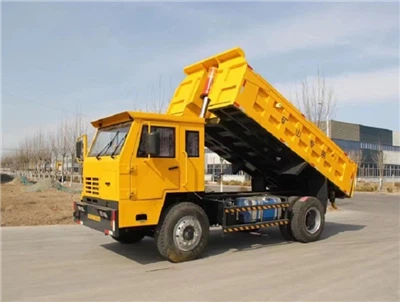


Send Inquiry