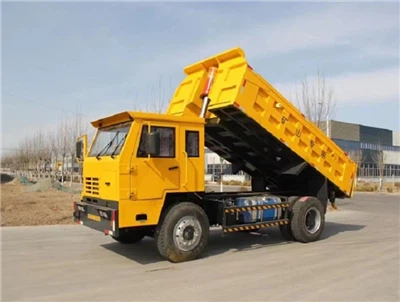
As a seasoned supplier of wide body cars, I've encountered numerous inquiries regarding the legal aspects of wide body car conversions. It's a topic that holds significant importance, as non - compliance can lead to serious consequences, including fines, vehicle impoundment, and even safety risks. In this blog, I'll delve into the legal requirements associated with wide body car conversions, providing you with a comprehensive understanding of what's needed to ensure your project is both legal and road - worthy.
Understanding the Basics of Wide Body Car Conversions
Before we explore the legal requirements, it's essential to understand what wide body car conversions entail. A wide body conversion typically involves modifying the body of a vehicle to increase its width. This can be achieved through various methods, such as installing wider fenders, body kits, or custom - made panels. The reasons for wide body conversions are diverse, ranging from enhancing the vehicle's aesthetics to improving its performance, especially in terms of handling and stability.
Local Regulations and Laws
One of the first steps in any wide body car conversion project is to research the local regulations and laws. These can vary significantly from one jurisdiction to another. Some areas may have strict rules regarding vehicle modifications, while others may be more lenient.
Width Limits
Most regions have specific width limits for vehicles on public roads. Exceeding these limits can result in the vehicle being deemed non - compliant. For example, in some states in the United States, the maximum legal width for a passenger vehicle is around 80 inches (2.03 meters). When planning a wide body conversion, you must ensure that the final width of the vehicle remains within the legal limit.
Safety Standards
Safety is a top priority when it comes to vehicle modifications. Local authorities often require that any converted vehicle meets certain safety standards. This may include ensuring that the additional width does not obstruct the driver's view, that the vehicle's lighting system remains visible from all angles, and that the brakes and suspension can handle the increased width and weight.
Emissions Requirements
In many places, emissions standards apply to all vehicles, including those that have undergone conversions. A wide body conversion should not negatively impact the vehicle's emissions. If the conversion involves changes to the engine or exhaust system, it may be necessary to have the vehicle tested to ensure it meets the local emissions requirements.
Documentation and Approvals
In addition to complying with width limits and safety standards, there are often documentation and approval processes that need to be followed.
Engineering Certificates
Some regions require an engineering certificate for wide body conversions. This certificate is issued by a qualified engineer who has inspected the vehicle and determined that the conversion meets all relevant safety and technical standards. The engineer will typically check aspects such as the structural integrity of the modifications, the impact on the vehicle's handling, and the compatibility of new components with the existing vehicle systems.
Vehicle Registration
After the conversion is complete, you may need to update the vehicle's registration to reflect the changes. This usually involves providing the relevant authorities with details about the conversion, including the new dimensions of the vehicle. In some cases, you may also need to pay a fee to update the registration.
Insurance Considerations
Modifying a vehicle can also have implications for your insurance. It's important to inform your insurance provider about the wide body conversion. Failure to do so could result in your insurance policy being invalidated in the event of an accident. Some insurance companies may require an inspection of the converted vehicle before providing coverage, while others may charge a higher premium due to the increased risk associated with the modification.
Specialized Vehicles and Their Legal Requirements
When dealing with specialized wide body vehicles, such as Underground Troop Carrier, Mine Service Truck, and Mechanical Transport Vehicle, there are additional legal requirements.
Industry - Specific Regulations
These types of vehicles are often subject to industry - specific regulations. For example, underground troop carriers need to meet safety standards related to underground operations, such as ventilation requirements and protection against fire and explosion. Mine service trucks may need to comply with regulations regarding the transportation of hazardous materials and the use of specialized equipment in mining environments.
Permits for Special Use
Specialized wide body vehicles may require special permits for their operation. These permits are typically issued by relevant government agencies or industry bodies. The application process for these permits usually involves providing detailed information about the vehicle, its intended use, and proof of compliance with all relevant regulations.
Working with a Reputable Supplier
As a wide body car supplier, I understand the importance of ensuring that all conversions are carried out in compliance with the law. When you choose to work with a reputable supplier, you can benefit from their expertise and experience in navigating the legal requirements.


Expert Guidance
A good supplier will be able to guide you through the entire conversion process, from initial planning to final approval. They can help you understand the local regulations, recommend the best conversion methods to meet the legal requirements, and assist with obtaining the necessary documentation.
Quality Assurance
Reputable suppliers use high - quality materials and follow strict quality control processes. This not only ensures the safety and performance of the converted vehicle but also makes it more likely to pass any inspections required by the authorities.
Conclusion
In conclusion, there are indeed legal requirements for wide body car conversions. These requirements vary depending on the location, the type of vehicle, and the nature of the conversion. As a wide body car supplier, I encourage all customers to be well - informed about these legal aspects before embarking on a conversion project. By complying with the law, you can ensure that your wide body vehicle is not only a unique and stylish addition to the road but also a safe and legal one.
If you're interested in a wide body car conversion and want to learn more about how we can assist you in meeting all the legal requirements, please feel free to reach out. Our team of experts is ready to help you with your project, from start to finish. Whether you're looking for a simple aesthetic upgrade or a more complex performance - oriented conversion, we have the knowledge and resources to make it happen. Contact us today to start the conversation about your wide body car conversion.
References
- Local vehicle regulations and laws in various regions
- Industry standards for specialized vehicles such as underground troop carriers, mine service trucks, and mechanical transport vehicles
- Research on vehicle safety and emissions standards