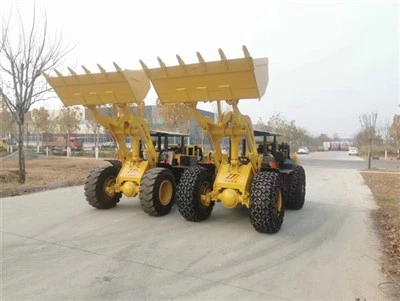
Hey there! As a supplier of Rubber Wheel Trucks, I often get asked a bunch of questions about these vehicles. One question that pops up quite a bit is, "Can the rubber wheels of a truck be rotated to even wear?" Well, let's dig into this topic and find out.
First off, let's understand why wheel wear is a big deal. When a truck is in use, the rubber wheels are constantly in contact with the ground. Different driving conditions, load distribution, and steering patterns can cause uneven wear on the wheels. Uneven wear not only shortens the lifespan of the wheels but also affects the truck's performance, handling, and safety. For example, if one wheel wears out faster than the others, it can lead to an imbalance, which might cause the truck to pull to one side, increase fuel consumption, and even pose a risk of a blowout.
Now, the good news is that, yes, the rubber wheels of a truck can be rotated to even wear. Just like in regular cars, wheel rotation is a simple yet effective maintenance practice for trucks. By moving the wheels from one position to another, we can ensure that each wheel experiences a more balanced amount of wear over time.
Let's talk about how this rotation works. There are a few common rotation patterns. The most basic one is the front - to - rear rotation. In this pattern, the front wheels are moved straight to the rear, and the rear wheels are moved to the front. This is a great option for trucks that have a relatively even load distribution and mainly drive in a straight line.
Another pattern is the cross - rotation. In cross - rotation, the front wheels are moved to the opposite rear position, and the rear wheels are moved to the opposite front position. This pattern is especially useful for trucks that turn a lot, as it helps to even out the wear caused by lateral forces during turning.
However, it's not as simple as just rotating the wheels whenever you feel like it. There are a few factors to consider. First of all, the type of truck matters. Different trucks have different wheel setups, such as two - wheel drive, four - wheel drive, or all - wheel drive. Each setup may require a specific rotation pattern. For example, four - wheel drive trucks usually need a more complex rotation pattern to ensure that all the wheels wear evenly because all four wheels are actively driving the vehicle.
The type of tires also plays a crucial role. Some tires are designed for specific positions on the truck, like directional tires. Directional tires have a unique tread pattern that is optimized for a particular direction of rotation. If you rotate directional tires incorrectly, it can not only prevent even wear but also reduce the tire's performance, such as traction and handling.


The load that the truck carries is another important factor. Trucks that carry heavy loads or operate in harsh environments may experience more rapid and uneven wear. In such cases, more frequent wheel rotations may be necessary. For example, a Trackless Rubber Wheel Vehicle used in a coal mine has to deal with rough terrain and heavy loads, so its wheels are likely to wear out faster than a regular delivery truck on smooth roads.
So, how often should you rotate the wheels of a rubber wheel truck? Well, there's no one - size - fits - all answer. A general rule of thumb is to rotate the wheels every 5,000 to 8,000 miles. But again, this can vary depending on the factors we just discussed. You should also refer to the truck manufacturer's recommendations, as they know their vehicles best.
Now, let's talk about the benefits of wheel rotation for our Rubber Wheel Trucks. First of all, it saves money. By extending the lifespan of the wheels, you don't have to replace them as often. This is a significant cost - saving measure, especially for businesses that operate a fleet of trucks.
Secondly, it improves safety. Evenly worn wheels provide better traction and handling, which reduces the risk of accidents. This is crucial, especially when the truck is carrying heavy loads or operating in challenging conditions.
In addition, wheel rotation can enhance the overall performance of the truck. With balanced wheels, the truck will drive more smoothly, and the steering will be more responsive. This can also lead to better fuel efficiency, as the engine doesn't have to work as hard to overcome the resistance caused by unevenly worn wheels.
As a Rubber Wheel Truck supplier, we always recommend our customers to follow a proper wheel rotation schedule. We even provide maintenance guides to help our customers take care of their trucks. Whether you're using a Mine Sprinkler Truck for dust suppression in a mine or a Trackless Rubber Wheel Shuttletram for material transportation, proper wheel maintenance is key.
If you're in the market for a Rubber Wheel Truck or have any questions about wheel rotation and maintenance, don't hesitate to reach out. We're here to help you make the most of your truck and ensure its long - term performance. Whether you're a small business owner or part of a large industrial operation, we can provide the right truck and the support you need.
In conclusion, wheel rotation is an essential maintenance practice for rubber wheel trucks. It's a simple way to ensure even wear, save money, improve safety, and enhance performance. By considering the type of truck, tire, and load, and following a proper rotation schedule, you can keep your truck running smoothly for years to come.
References:
- General truck maintenance manuals from various manufacturers
- Industry research on tire wear and wheel rotation
So, if you're interested in our Rubber Wheel Trucks or want to learn more about how to take care of them, feel free to contact us for a detailed discussion. We're looking forward to working with you!