In the realm of automotive engineering and commercial transportation, the question of whether wide body cars can be used for commercial purposes is both timely and significant. As a supplier of wide body cars, I've had the privilege of witnessing firsthand the evolving dynamics of this market segment. This blog post aims to delve into the potential of wide body cars in commercial applications, exploring their advantages, limitations, and real - world use cases.
Advantages of Wide Body Cars for Commercial Purposes
1. Increased Cargo Capacity
One of the most obvious benefits of wide body cars in commercial use is their enhanced cargo capacity. The wider body allows for a more spacious interior, which can accommodate larger and bulkier items. For businesses involved in the delivery of consumer goods, such as electronics or furniture, this extra space can be a game - changer. It means fewer trips are needed to transport the same amount of goods, reducing fuel costs and increasing overall efficiency.
For instance, a wide body van can carry more boxes of electronics compared to a standard - sized vehicle. This not only saves on transportation costs but also shortens the delivery time, leading to higher customer satisfaction. The ability to transport larger items also opens up new business opportunities, as companies can take on more diverse types of deliveries.
2. Improved Passenger Comfort
In the passenger transportation industry, wide body cars offer a significant advantage in terms of comfort. With more width, passengers have more elbow room and leg space, which is especially important for long - distance travel. Whether it's a shuttle service for corporate employees or a tourist bus, the increased comfort can set a company apart from its competitors.
A wide body limousine, for example, provides a luxurious and spacious environment for passengers, making it an ideal choice for high - end transportation services. This can attract more customers who are willing to pay a premium for a comfortable and stylish ride.
3. Enhanced Stability
The wider stance of wide body cars contributes to better stability on the road. This is particularly important for commercial vehicles that often carry heavy loads. A stable vehicle is less likely to tip over or sway during sharp turns or sudden maneuvers, reducing the risk of accidents.
For trucks used in the transportation of heavy equipment or construction materials, stability is crucial. A wide body design helps distribute the weight more evenly, ensuring a safer and more controlled driving experience. This can lead to lower insurance costs and fewer disruptions to business operations due to accidents.
Limitations of Wide Body Cars in Commercial Use
1. Higher Fuel Consumption
One of the main drawbacks of wide body cars is their potentially higher fuel consumption. The increased size and weight of these vehicles require more power to move, which means they burn more fuel. This can be a significant cost factor for businesses, especially those with large fleets.
For example, a wide body delivery truck may consume more fuel per mile compared to a smaller, more fuel - efficient vehicle. This can eat into profit margins, especially in an environment of rising fuel prices. To mitigate this issue, some companies are turning to alternative fuels or more fuel - efficient engine technologies.
2. Limited Maneuverability
Wide body cars can be more difficult to maneuver in tight spaces. This can be a problem for commercial vehicles that need to navigate through narrow streets or park in small parking lots. For instance, a wide body bus may have trouble making U - turns in congested city areas.

This limitation can slow down delivery times and make it more challenging for businesses to operate in urban environments. To address this, companies may need to invest in driver training programs or use advanced navigation systems to find the most suitable routes.
3. Higher Initial Cost
The cost of purchasing a wide body car is generally higher than that of a standard - sized vehicle. This is due to the additional materials and engineering required to build a wider body. For small businesses or startups, this can be a significant barrier to entry.
The higher initial cost also means higher depreciation, which can impact a company's balance sheet. However, it's important to consider the long - term benefits and potential return on investment when evaluating the purchase of a wide body car.
Real - World Use Cases
1. Freight Transportation
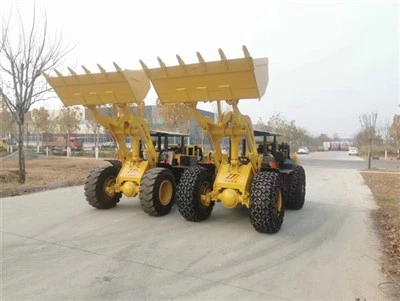
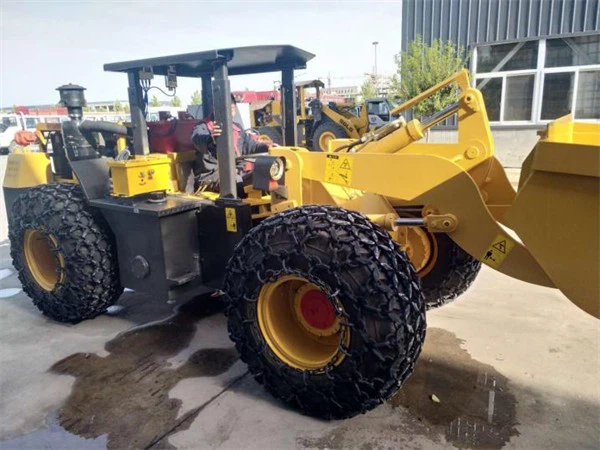
In the freight transportation industry, wide body trucks are commonly used to transport large and heavy items. For example, Ore - handling Wheel Loader are often designed with a wide body to accommodate the large amount of ore they need to carry. These trucks are used in mining operations and other industries where the transportation of bulk materials is required.
The wide body design allows for a larger payload capacity, which is essential for efficient ore transportation. This helps mining companies reduce the number of trips and increase productivity.
2. Passenger Transportation
Wide body cars are also widely used in the passenger transportation sector. Trackless Personnel Carrier are a popular choice for transporting workers in industrial sites or large campuses. These vehicles offer a comfortable and efficient way to move a large number of people.
In the tourism industry, wide body buses are used to transport tourists on sightseeing tours. The spacious interior provides a comfortable experience for passengers, making the journey more enjoyable.
3. Specialized Commercial Services
There are also specialized commercial services that benefit from wide body cars. The Transporter is an example of a vehicle that can be customized for specific commercial needs. It can be used for transporting high - value items, such as artworks or medical equipment, where the extra space and security features are essential.
Conclusion
In conclusion, wide body cars have significant potential for commercial purposes. Their advantages in terms of cargo capacity, passenger comfort, and stability make them a viable option for many industries. However, their limitations, such as higher fuel consumption, limited maneuverability, and higher initial cost, need to be carefully considered.
As a supplier of wide body cars, I understand the unique needs of commercial customers. We offer a range of wide body vehicles that are designed to meet the specific requirements of different industries. Whether you're in the freight transportation, passenger transportation, or specialized commercial services sector, we can provide you with a solution that balances performance, cost, and functionality.
If you're interested in exploring the possibilities of using wide body cars for your commercial operations, I encourage you to contact us for a detailed discussion. We can help you evaluate your needs and find the right vehicle for your business.
References
- Automotive Engineering Handbook, various editions
- Commercial Vehicle Research Reports from industry - leading research firms
- Case studies from companies using wide body cars in commercial applications