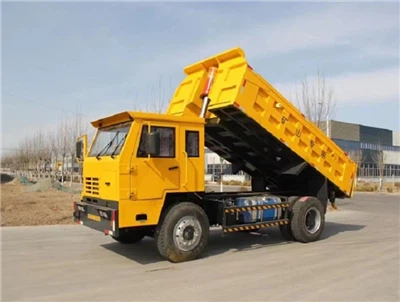
Hey there! As a supplier of Rubber Wheel Trucks, I've been getting a lot of questions lately about whether these trucks have a lower vibration level. So, I thought I'd take some time to dig into this topic and share my insights with you.
First off, let's talk about what causes vibration in trucks. Vibration in vehicles generally comes from a few main sources. The engine is a big one. When the engine runs, it produces a series of explosions in the cylinders, which creates vibrations. The road surface also plays a huge role. If you're driving on a bumpy, uneven road, the wheels will constantly hit bumps and potholes, transferring that shock and vibration into the vehicle. And then there are the moving parts within the truck itself, like the transmission, driveshafts, and axles. All these parts can generate vibrations as they operate.
Now, let's see how rubber wheel trucks stack up in terms of vibration. One of the key advantages of rubber wheels is their natural shock - absorbing ability. Rubber is a flexible material. When a rubber wheel hits a bump on the road, it can deform slightly. This deformation helps to absorb the impact energy, rather than transferring it directly into the truck. In contrast, trucks with other types of wheels, like steel wheels, are much stiffer. When a steel - wheeled truck hits a bump, the shock is transmitted more directly to the vehicle's chassis, resulting in a higher level of vibration.
Another factor is the tire design. Modern rubber wheel truck tires are often designed with special tread patterns and internal structures. These designs are not only for better traction but also for reducing vibration. For example, some tires have a multi - layer structure with different rubber compounds. The inner layers can act as a buffer, further dampening the vibrations caused by road irregularities.
Let's look at some real - world applications. In industries such as mining, rubber wheel trucks are widely used. Take the Trackless Rubber Wheel Shuttletram. In a coal mine, the ground is often rough and full of debris. A trackless rubber wheel shuttletram can move smoothly through these conditions. The rubber wheels absorb the shocks from the uneven mine floor, reducing the vibration felt by the operator. This is not only more comfortable for the driver but also helps to protect the cargo and the vehicle's components from damage caused by excessive vibration.
Similarly, the Explosion - proof Trackless Rubber Wheel Vehicle is another great example. In potentially explosive environments like mines, the lower vibration level of rubber wheel trucks is crucial. High - level vibrations can cause parts to loosen or generate sparks, which are extremely dangerous in such settings. The rubber wheels help to keep the vibration in check, ensuring a safer operation.
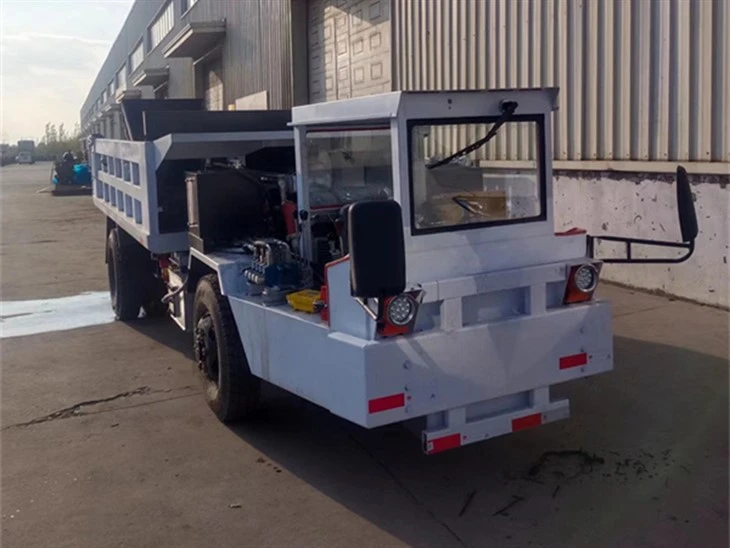

The Explosion - proof Loader also benefits from rubber wheels. When loading and unloading materials in a mine or a construction site, the rubber wheels can handle the weight and the movement on rough terrain while minimizing vibration. This allows for more precise operation and reduces the wear and tear on the loader's components.
But it's not all rosy. There are some situations where rubber wheel trucks might not have a significant advantage in terms of vibration. For instance, at high speeds, the dynamic forces acting on the wheels can increase the vibration. Also, if the rubber wheels are not properly maintained, such as having uneven tire wear or incorrect tire pressure, it can lead to increased vibration.
To measure the vibration level of rubber wheel trucks, we can use vibration sensors. These sensors are placed at different points on the truck, such as the driver's seat, the chassis, and the cargo area. By collecting and analyzing the data from these sensors, we can get a clear picture of the vibration characteristics of the truck. In many tests, rubber wheel trucks have shown lower vibration levels compared to their steel - wheeled counterparts, especially in normal operating conditions.
So, in general, rubber wheel trucks do tend to have a lower vibration level. The shock - absorbing properties of rubber and the advanced tire designs contribute to this advantage. This lower vibration level has many benefits, including increased driver comfort, reduced wear and tear on the vehicle, and safer operation in certain environments.
If you're in the market for a truck and are concerned about vibration levels, rubber wheel trucks are definitely worth considering. Whether you're in the mining industry, construction, or any other field that requires reliable and comfortable transportation, our rubber wheel trucks can meet your needs. We're always here to answer your questions and provide you with the best solutions. If you're interested in learning more or making a purchase, feel free to reach out to us for a detailed discussion. We'll be happy to assist you in finding the perfect rubber wheel truck for your specific requirements.
References
- "Vehicle Dynamics: Theory and Application" by Rajesh Rajamani
- Industry reports on rubber wheel truck performance and vibration analysis