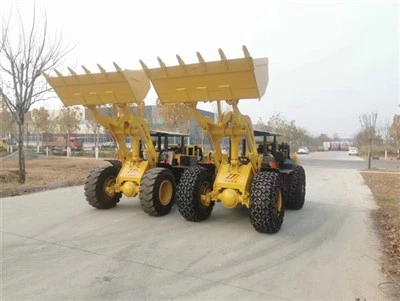
Transport trucks play a vital role in various industries, from construction and mining to agriculture and logistics. As a transport truck supplier, I've witnessed firsthand the intricate processes involved in loading and unloading these essential vehicles. In this blog post, I'll delve into the details of how transport trucks are loaded and unloaded, exploring the different methods, equipment, and considerations for various types of cargo.
Understanding the Basics of Loading and Unloading
Loading and unloading transport trucks are not just about moving goods from one place to another; it's a complex operation that requires careful planning, safety measures, and the right equipment. The process can vary significantly depending on the type of cargo, the truck's design, and the facilities available.
For instance, loading a truck with a single, large piece of machinery will be very different from loading a truck with multiple pallets of packaged goods. Similarly, unloading a truck at a construction site may require different techniques than unloading at a warehouse.
Loading Methods
Manual Loading
Manual loading is perhaps the most traditional method, where workers physically lift and place the cargo onto the truck. This method is often used for smaller items, such as bags of cement or boxes of supplies. It's relatively simple and doesn't require specialized equipment, but it can be labor-intensive and time-consuming.
Workers need to be trained in proper lifting techniques to avoid injuries, and they should also follow safety protocols, such as wearing gloves and safety shoes. Manual loading is best suited for small to medium-sized operations where the volume of cargo is not too high.
Forklift Loading
Forklifts are widely used in warehouses and industrial settings for loading and unloading transport trucks. A forklift can lift heavy pallets of goods and place them onto the truck quickly and efficiently. Forklifts come in various sizes and capacities, allowing them to handle different types of cargo.
When using a forklift, it's important to ensure that the operator is trained and certified. The forklift should be in good working condition, and the load should be balanced and secure. Forklift loading is ideal for handling large volumes of palletized goods, making it a popular choice for many businesses.

Conveyor Belt Loading
Conveyor belts are commonly used in industries where the cargo is in a continuous flow, such as mining or food processing. A conveyor belt can transport the cargo from the production area to the truck, eliminating the need for manual handling.
This method is highly efficient and can significantly reduce loading time. However, it requires a large initial investment in the conveyor system and maintenance to ensure its smooth operation. Conveyor belt loading is suitable for operations where the cargo is of a consistent size and shape.
Unloading Methods
Manual Unloading
Similar to manual loading, manual unloading involves workers physically removing the cargo from the truck. This method is often used for smaller items or in situations where specialized equipment is not available. Workers need to be careful when unloading to avoid dropping or damaging the cargo.
Forklift Unloading
Forklifts are also commonly used for unloading transport trucks. The operator can lift the pallets of goods from the truck and place them in the designated storage area. Forklift unloading is fast and efficient, especially for large volumes of cargo.
Gravity Unloading
Gravity unloading is a method where the cargo is unloaded by using the force of gravity. This method is often used for bulk materials, such as sand, gravel, or grain. The truck is designed with a tilting mechanism that allows the cargo to flow out of the truck body when the truck is tilted.
Gravity unloading is a quick and efficient way to unload large quantities of bulk materials. However, it requires the truck to be parked on a suitable surface and for the unloading area to be properly prepared.
Special Considerations for Different Types of Transport Trucks
Wide Body Diesel Engine Mine Truck
The Wide Body Diesel Engine Mine Truck is designed for heavy-duty mining operations. Loading and unloading these trucks require specialized equipment and techniques.
In a mining environment, large shovels or loaders are used to fill the truck's bed with ore or other materials. The shovels are carefully positioned to ensure that the load is evenly distributed in the truck's bed. Unloading is typically done at a processing plant or a stockpile, where the truck is tilted to release the cargo.
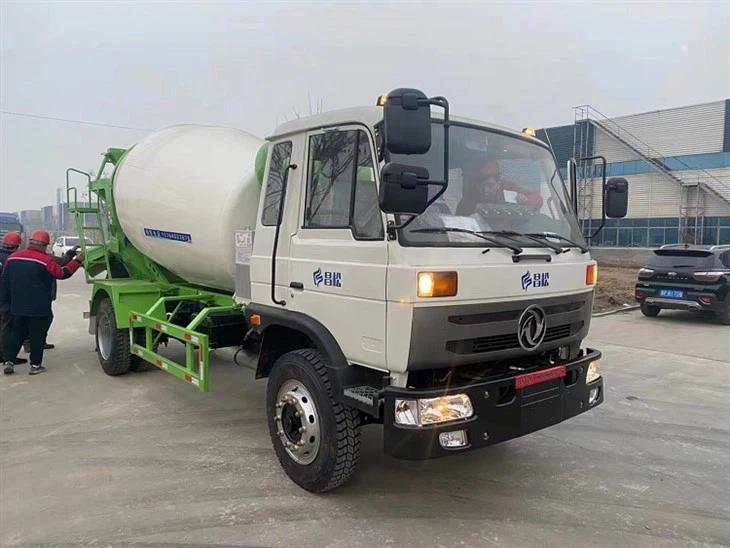
Mining Concrete Mixer Truck
The Mining Concrete Mixer Truck is used to transport and mix concrete at mining sites. Loading these trucks involves pouring the raw materials, such as cement, sand, and water, into the mixer drum.
The mixing process starts as soon as the materials are loaded, and the truck transports the mixed concrete to the construction site. Unloading is done by rotating the mixer drum in the opposite direction, allowing the concrete to flow out of the chute.
3 Cubic Meter Concrete Mixer Truck
The 3 Cubic Meter Concrete Mixer Truck is a smaller version of the concrete mixer truck, often used for smaller construction projects. Loading and unloading these trucks follow a similar process to the larger ones, but the volume of concrete is smaller.
Safety Considerations
Safety is of utmost importance when loading and unloading transport trucks. Workers should always wear appropriate safety gear, such as hard hats, safety glasses, and steel-toed boots. They should also be trained in proper lifting and handling techniques to avoid injuries.
The equipment used for loading and unloading, such as forklifts and conveyors, should be regularly maintained and inspected to ensure their safe operation. The loading and unloading area should be well-lit and free of obstacles to prevent accidents.
Conclusion
Loading and unloading transport trucks are complex operations that require careful planning, the right equipment, and strict safety measures. As a transport truck supplier, I understand the importance of providing our customers with trucks that are designed for efficient loading and unloading.
Whether you're in the mining, construction, or logistics industry, choosing the right transport truck and loading/unloading method can significantly improve your productivity and reduce costs. If you're interested in learning more about our range of transport trucks or have any questions about loading and unloading, please feel free to contact us. We're here to help you find the best solutions for your business.
References
- "Transportation Engineering Handbook" by the Institute of Transportation Engineers.
- "Safety Guidelines for Loading and Unloading Trucks" by the Occupational Safety and Health Administration (OSHA).