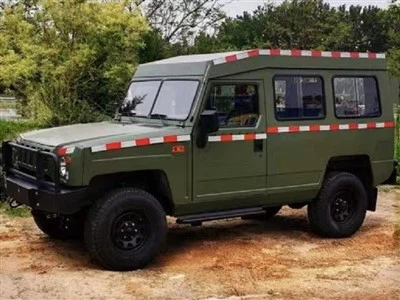
Navigating narrow roads is a complex and challenging task for transport trucks. As a provider of high - quality transport trucks, I've had in - depth discussions with drivers, technicians, and logistics planners regarding how our trucks cope with such demanding terrains.
Pre - Journey Preparations
Before a transport truck even sets out on a route that may include narrow roads, a series of meticulous preparations are made. First and foremost, we recommend digital mapping and route analysis. Modern mapping technologies, such as GPS with 3D mapping capabilities, allow drivers to visualize the entire route in advance. This includes detecting sharp turns, low overhangs, and the width of each section of the road. Software can also provide estimates of the time required to navigate through narrow passages, helping to plan rest stops and delivery schedules more effectively.
In addition to digital tools, physical inspections of the truck are essential. The tires are checked for proper inflation and tread depth. On narrow roads, having well - maintained tires is crucial as it provides better traction, especially when making sharp turns or navigating uneven surfaces. The brakes are also inspected thoroughly. Since narrow roads often require frequent stops and starts, reliable brakes are a safety necessity. Our trucks, like the Swift Transportation Mining Trucks, are equipped with advanced braking systems that are designed to handle the rigors of challenging terrains.
Vehicle Design Adaptations
Our transport trucks are engineered with specific design features to handle narrow roads. One key aspect is the wheelbase. Trucks with a shorter wheelbase are generally more maneuverable. They can make tighter turns, which is a significant advantage on narrow, winding roads. For example, our Three Wheel Mining Truck is designed with a compact wheelbase that allows it to navigate through narrow mining passages with relative ease.
The width of the truck is also carefully considered during the design process. We strive to keep the overall width as narrow as possible while still meeting the requirements for cargo capacity. This balance is crucial, as it enables the truck to fit through narrow roads without sacrificing too much on the amount of goods it can carry. Additionally, the placement of mirrors and cameras is optimized to provide the driver with a comprehensive view of the truck's surroundings. This is especially important when passing through narrow spaces, where even a small miscalculation can lead to collisions.
Driving Techniques
Drivers of our transport trucks are trained in specialized driving techniques for narrow roads. One fundamental technique is slow and steady driving. Narrow roads do not allow for high - speed maneuvering. By maintaining a slow speed, drivers have more time to react to unexpected obstacles, turns, or oncoming traffic. For instance, when approaching a sharp turn on a narrow road, a driver should start braking well in advance to reduce speed gradually.
Another important technique is proper positioning. Drivers are taught to position the truck in the center of the lane as much as possible. This provides equal clearance on both sides and reduces the risk of hitting obstacles on the edges of the road. However, in some cases, like when meeting another vehicle on a single - lane narrow road, the driver may need to carefully pull over to the side. Our training programs emphasize the importance of assessing the stability of the shoulder and ensuring that the truck's wheels are firmly on a stable surface.
Communication and Coordination
Effective communication and coordination are essential when transport trucks are on narrow roads. This involves communication between the driver and the dispatcher. The dispatcher should be aware of the truck's progress on the narrow sections of the road and be ready to provide updated information, such as changes in traffic conditions or road closures.
In addition, communication with other road users is crucial. When meeting oncoming vehicles on a narrow road, drivers need to use their lights and horns appropriately to signal their intentions. They may also need to communicate verbally through open windows in some cases. For example, if the road is so narrow that one vehicle has to give way to the other, clear communication can avoid misunderstandings and potential accidents.
Specialized Equipment for Narrow Road Navigation
Our company offers various specialized equipment to enhance the truck's ability to handle narrow roads. One such equipment is side - view cameras. These cameras provide real - time visual information about the sides of the truck, which is especially useful when passing through tight spaces or making turns. The images from the cameras are displayed on a monitor inside the cab, allowing the driver to see areas that are not visible through the mirrors.
Another useful piece of equipment is a proximity sensor. These sensors can detect objects in close proximity to the truck. When the truck approaches an obstacle, the sensors send an alert to the driver, either through a visual or auditory signal. This early warning system gives the driver more time to take appropriate action, such as braking or changing the truck's direction.
Challenges and Solutions on Mining Sites
Mining sites often have extremely narrow roads and passages. Our Concrete Mixer Truck For Mining is specifically designed to meet the challenges of these environments. One of the main challenges is dust and debris on the roads. The dust can reduce visibility, while debris can damage the tires and other parts of the truck.
To address the dust issue, our trucks are equipped with advanced air - filtration systems. These systems clean the incoming air, ensuring that the engine and other components are protected from dust particles. For debris, the trucks have heavy - duty skid plates on the underside. These skid plates act as a shield, preventing rocks and other debris from hitting the vital parts of the vehicle.


The Future of Narrow Road Navigation for Transport Trucks
Looking ahead, the future of narrow road navigation for transport trucks seems promising with the integration of new technologies. Autonomous driving features are being developed that can help trucks navigate through narrow roads more safely and efficiently. These features can include automatic lane - keeping, adaptive cruise control, and collision - avoidance systems.
Artificial intelligence is also being utilized to analyze road conditions in real - time. For example, AI - powered cameras can detect the width of the road, the presence of obstacles, and the behavior of other road users. Based on this analysis, the truck's control system can adjust the speed, direction, and other parameters to ensure a smooth and safe journey on narrow roads.
Conclusion
Handling narrow roads is a multi - faceted challenge for transport trucks, but with proper preparation, suitable vehicle design, well - trained drivers, effective communication, and specialized equipment, it can be managed successfully. As a transport truck supplier, we are committed to continuously improving our products and services to meet the evolving needs of our customers.
If you are in the market for a high - quality transport truck that can handle narrow roads with ease, we invite you to contact us for a detailed discussion on your specific requirements. Our team of experts is ready to provide you with personalized solutions and help you make the best choice for your business.