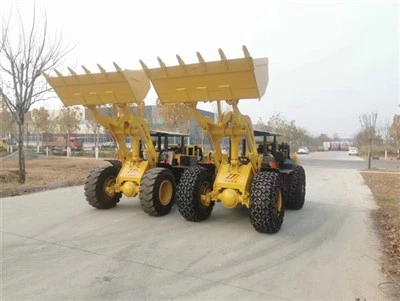
As a supplier of 3 Tons Mining Trucks, I've had the privilege of experiencing firsthand the unique characteristics of these robust vehicles. One of the most intriguing aspects that often comes up in discussions with our clients is the steering feel of our 3 Tons Mining Trucks at different speeds. In this blog, I'll delve into this topic, sharing insights based on our extensive experience and the feedback we've received from operators in the field.
Low - Speed Steering
At low speeds, typically below 10 miles per hour, the steering of a 3 Tons Mining Truck offers a distinct feel. The first thing to note is the increased level of effort required. This is mainly due to the large size and weight of the truck, as well as the nature of the mining environment. In mines, the ground is often uneven, filled with rocks, debris, and loose soil. At low speeds, the tires have less momentum, and the steering system has to work harder to overcome the resistance from the uneven terrain.
The steering at low speeds provides a high - level of precision. Operators can make very fine adjustments to the truck's direction, which is crucial when maneuvering in tight spaces such as mine tunnels or around other equipment. For example, when backing up into a loading area or making a sharp turn to access a specific part of the mine, the low - speed steering allows for accurate positioning. This precision is also beneficial when navigating around obstacles, as operators can carefully avoid hitting rocks or other hazards that could damage the truck.
Another aspect of low - speed steering is the enhanced tactile feedback. Operators can feel every bump and irregularity in the ground through the steering wheel. This feedback is not just a nuisance; it actually serves as a valuable source of information. By sensing the texture and firmness of the ground, operators can make informed decisions about the truck's path. If they feel a particularly soft or unstable patch of ground, they can adjust the steering to avoid getting stuck.
Medium - Speed Steering
As the speed of the 3 Tons Mining Truck increases to the medium range, say between 10 and 25 miles per hour, the steering feel undergoes some significant changes. The effort required to turn the steering wheel decreases compared to low speeds. This is because the forward momentum of the truck helps to overcome some of the resistance from the tires and the terrain. The steering system becomes more responsive, and the truck can be turned with less force.
However, with this increased responsiveness comes a need for more careful control. At medium speeds, small steering inputs can result in relatively large changes in the truck's direction. This means that operators need to be more precise in their steering movements to avoid over - steering or making sudden, jerky turns. For instance, when changing lanes in a mine haul road or making a gentle curve, operators must apply the right amount of steering pressure to ensure a smooth and stable turn.
The tactile feedback at medium speeds is still present but is somewhat muted compared to low speeds. The increased speed means that the truck is covering more ground in a shorter amount of time, and the bumps and irregularities are felt more as a general vibration rather than distinct individual sensations. This can make it a bit more challenging for operators to rely solely on tactile feedback to assess the ground conditions, and they may need to rely more on visual cues.
High - Speed Steering
When the 3 Tons Mining Truck reaches high speeds, above 25 miles per hour, the steering feel is quite different from the lower speed ranges. At high speeds, the steering becomes even more sensitive. A very slight turn of the steering wheel can cause a significant change in the truck's direction. This sensitivity is designed to allow for quick adjustments in the truck's path, which can be crucial in emergency situations.
However, this high level of sensitivity also poses a challenge. Operators need to be extremely cautious when steering at high speeds to maintain control of the truck. Any sudden or large steering inputs can lead to instability, such as fishtailing or even a roll - over. Therefore, at high speeds, the steering is often adjusted to provide a certain amount of damping to reduce the risk of over - steering.
The tactile feedback at high speeds is further reduced. The vibrations from the ground are more blended together, and it becomes difficult to distinguish individual bumps. Instead, operators rely more on visual information, such as the position of the road ahead and the behavior of other vehicles. The steering system also plays a role in providing a sense of stability at high speeds. A well - designed steering system will give the operator a feeling of confidence that the truck is under control, even when traveling at a fast pace.
Comparison with Other Mining Trucks
When comparing the steering feel of our 3 Tons Mining Trucks with other models, such as the 20 Tons Mining Transport Truck, there are some notable differences. Larger trucks generally require more effort to steer at all speeds due to their greater weight and larger tires. The increased mass means that more force is needed to change the direction of the vehicle.
However, larger trucks also tend to have more advanced steering systems. These systems are designed to compensate for the extra weight and provide a more comfortable and controllable steering experience. For example, some 20 Tons Mining Transport Trucks may have hydraulic or electric power - steering systems that can adjust the amount of assistance based on the speed of the truck.
In contrast, our 3 Tons Mining Trucks offer a more direct and hands - on steering experience. The relatively lower weight allows for a more responsive steering feel, especially at low and medium speeds. This can be an advantage in situations where maneuverability is key, such as in smaller mines or when operating in confined spaces.
The Importance of Steering Feel in Mining Operations
The steering feel of a 3 Tons Mining Truck is not just a matter of comfort; it has a significant impact on mining operations. A well - designed steering system can improve safety, efficiency, and productivity.
In terms of safety, the appropriate steering feel at different speeds helps operators maintain control of the truck. At low speeds, the precision steering allows for safe maneuvering in tight spaces, reducing the risk of collisions. At high speeds, the sensitivity of the steering can help operators avoid accidents by making quick adjustments in the truck's path.
Efficiency is also enhanced by a good steering feel. Operators can complete tasks more quickly when they can easily and accurately control the truck's direction. For example, faster and more precise loading and unloading operations can be achieved when the truck can be positioned correctly with minimal effort.

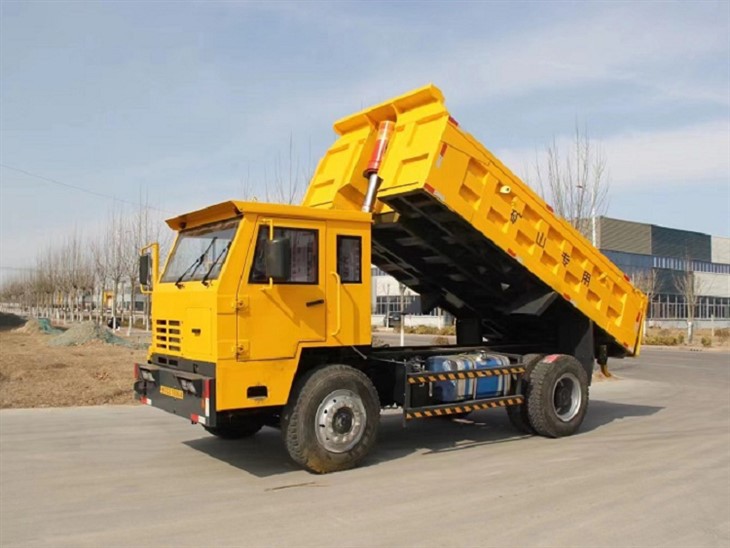
Productivity is directly related to efficiency and safety. When operators feel confident in the steering of the truck, they can work more effectively, leading to increased output in the mine.
Conclusion
In conclusion, the steering feel of a 3 Tons Mining Truck varies significantly at different speeds. From the precise and tactile low - speed steering to the sensitive and responsive high - speed steering, each speed range offers a unique set of challenges and benefits. As a supplier of these trucks, we understand the importance of providing a steering system that is well - tuned to the specific needs of mining operations.
If you're in the market for a 3 Tons Mining Truck or are interested in learning more about our products, we encourage you to reach out for a detailed discussion. Our team of experts is ready to answer your questions and help you find the right truck for your mining needs. Whether you need a truck for a small - scale mine or a large - scale operation, our Mining Drive Vehicle and Swift Transportation Mining Trucks offer a range of options to suit your requirements. Contact us today to start the procurement process and experience the superior steering and performance of our 3 Tons Mining Trucks.
References
- "Mining Vehicle Dynamics and Control" - A comprehensive textbook on the principles of mining vehicle operation, including steering systems.
- Industry reports from leading mining equipment research firms, which provide insights into the latest trends in mining truck design and steering technology.
- Interviews with experienced mining truck operators, who shared their real - world experiences of steering different types of mining trucks at various speeds.