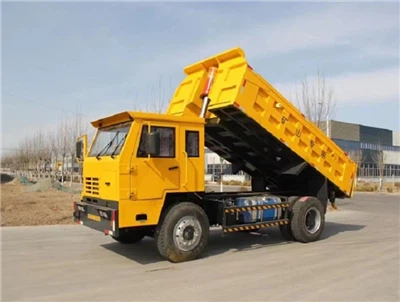
As a supplier of Mine Service Trucks, I've had the privilege of delving deep into the intricacies of these remarkable vehicles. One of the most critical components that often goes unnoticed but is indispensable for the truck's operation is the exhaust system. In this blog, I'll take you on a journey to understand how a mine service truck's exhaust system works.
The Basics of an Exhaust System
Before we dive into the specifics of a mine service truck's exhaust system, let's first understand the fundamental purpose of any exhaust system. The primary function of an exhaust system is to remove the harmful gases produced during the combustion process in the engine. These gases include carbon monoxide (CO), nitrogen oxides (NOx), and particulate matter (PM). If these gases were allowed to accumulate in the engine or the cabin of the vehicle, they would not only cause damage to the engine but also pose a significant health risk to the driver and other personnel.
In addition to removing harmful gases, the exhaust system also plays a crucial role in reducing engine noise. The exhaust gases exit the engine at high pressure and velocity, creating a loud noise. The exhaust system uses a series of pipes, mufflers, and resonators to reduce this noise to an acceptable level.
Components of a Mine Service Truck's Exhaust System
A mine service truck's exhaust system consists of several key components, each with its own specific function. Let's take a closer look at these components:
Exhaust Manifold
The exhaust manifold is the first component in the exhaust system. It is connected directly to the engine's cylinders and collects the exhaust gases as they exit the engine. The exhaust manifold is designed to ensure that the exhaust gases flow smoothly and efficiently from the engine to the rest of the exhaust system.
Catalytic Converter
The catalytic converter is a crucial component in reducing the harmful emissions produced by the engine. It uses a catalyst, typically made of platinum, palladium, or rhodium, to convert the harmful gases in the exhaust into less harmful substances. For example, carbon monoxide is converted into carbon dioxide, and nitrogen oxides are converted into nitrogen and oxygen.
Diesel Particulate Filter (DPF)
In mine service trucks, which often use diesel engines, a Diesel Particulate Filter (DPF) is used to capture and remove particulate matter from the exhaust gases. The DPF traps the soot and other particulate matter in the exhaust, preventing it from being released into the environment. Over time, the DPF can become clogged, and it needs to be cleaned or replaced to maintain its effectiveness.
Muffler
The muffler is responsible for reducing the noise produced by the exhaust gases. It uses a series of chambers and baffles to reflect and absorb the sound waves, reducing the noise level. In mine service trucks, where noise reduction is particularly important due to the enclosed nature of mines, the muffler plays a crucial role in ensuring a comfortable working environment for the driver and other personnel.
Tailpipe
The tailpipe is the final component in the exhaust system. It is responsible for releasing the cleaned and muffled exhaust gases into the atmosphere. The tailpipe is usually located at the rear of the truck and is designed to direct the exhaust gases away from the vehicle and the people in the vicinity.
How the Exhaust System Works in a Mine Service Truck
Now that we understand the components of a mine service truck's exhaust system, let's take a look at how they work together to ensure the efficient and safe operation of the truck.
Exhaust Gas Collection
The process begins with the exhaust gases being collected by the exhaust manifold as they exit the engine's cylinders. The exhaust manifold ensures that the exhaust gases are directed towards the rest of the exhaust system in a smooth and efficient manner.
Emission Reduction
Once the exhaust gases leave the exhaust manifold, they enter the catalytic converter. The catalytic converter uses a chemical reaction to convert the harmful gases in the exhaust into less harmful substances. This helps to reduce the environmental impact of the truck's emissions and ensures compliance with emission standards.

After passing through the catalytic converter, the exhaust gases enter the Diesel Particulate Filter (DPF). The DPF captures and removes the particulate matter from the exhaust gases, further reducing the emissions. If the DPF becomes clogged, the truck's onboard computer system will initiate a regeneration process to clean the filter. During regeneration, the temperature of the exhaust gases is increased, which burns off the trapped particulate matter.
Noise Reduction
As the exhaust gases pass through the muffler, the noise produced by the high-pressure and high-velocity gases is reduced. The muffler uses a series of chambers and baffles to reflect and absorb the sound waves, resulting in a quieter exhaust system.
Exhaust Gas Release
Finally, the cleaned and muffled exhaust gases are released into the atmosphere through the tailpipe. The tailpipe is designed to direct the exhaust gases away from the vehicle and the people in the vicinity, ensuring a safe and comfortable working environment.
Importance of a Well-Maintained Exhaust System
A well-maintained exhaust system is essential for the efficient and safe operation of a mine service truck. Here are some of the reasons why:
Environmental Compliance
Mines are subject to strict environmental regulations, and a properly functioning exhaust system is necessary to ensure compliance with these regulations. By reducing the harmful emissions produced by the truck, the exhaust system helps to protect the environment and the health of the mine workers.
Engine Performance
A clogged or damaged exhaust system can restrict the flow of exhaust gases, which can lead to a decrease in engine performance. This can result in reduced power, increased fuel consumption, and even engine damage. Regular maintenance of the exhaust system, including cleaning or replacing the DPF and checking the catalytic converter, can help to ensure optimal engine performance.
Safety
A malfunctioning exhaust system can pose a significant safety risk. For example, if the exhaust gases leak into the cabin of the truck, they can cause carbon monoxide poisoning, which can be fatal. Regular inspection and maintenance of the exhaust system can help to prevent such safety hazards.
Our Range of Mine Service Trucks
As a leading supplier of Mine Service Trucks, we offer a wide range of vehicles to meet the diverse needs of the mining industry. Our trucks are equipped with state-of-the-art exhaust systems that are designed to provide efficient emission reduction, noise reduction, and reliable performance.
If you're looking for a Mining Drive Vehicle, our range of vehicles is built to withstand the harsh conditions of the mining environment. These trucks are equipped with powerful engines and advanced exhaust systems to ensure optimal performance and environmental compliance.
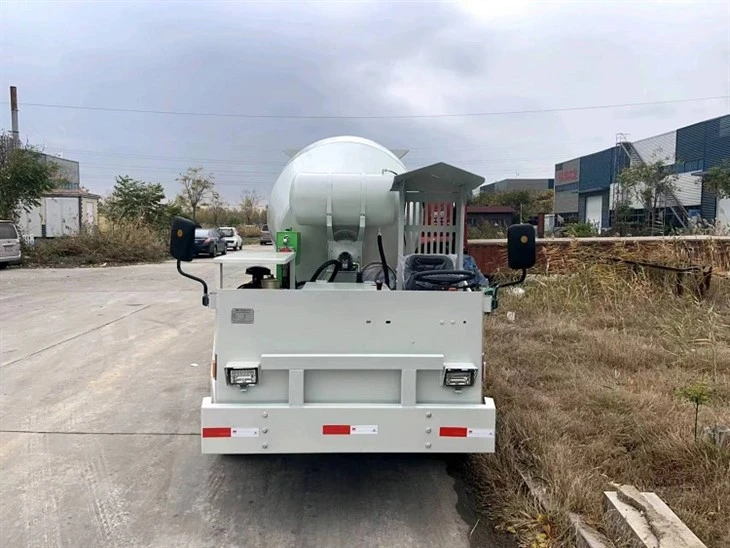
For those in need of a 3 Cubic Meter Concrete Mixer Truck, our trucks are designed to provide efficient and reliable concrete mixing and transportation. The exhaust system in these trucks is carefully engineered to reduce emissions and noise, making them suitable for use in mines.
We also offer Underground Troop Carrier vehicles that are specifically designed for transporting personnel in underground mines. These trucks are equipped with advanced exhaust systems to ensure a safe and comfortable environment for the passengers.
Contact Us for Your Mine Service Truck Needs
If you're interested in learning more about our Mine Service Trucks or have any questions about the exhaust system, please don't hesitate to contact us. Our team of experts is ready to assist you in finding the right truck for your mining operation. We can provide you with detailed information about our products, including specifications, features, and pricing. Whether you're looking to purchase a new truck or need assistance with maintenance and repairs, we're here to help. Let's start a conversation today and find the perfect solution for your mining needs.
References
- Heywood, J. B. (1988). Internal Combustion Engine Fundamentals. McGraw-Hill.
- Society of Automotive Engineers (SAE). (Various years). SAE standards related to exhaust systems and emissions control.