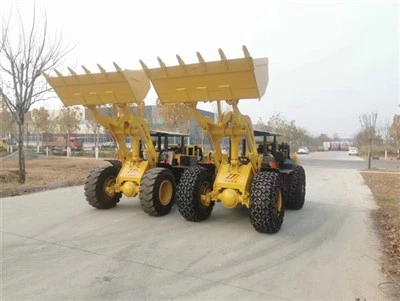
Telematics, the integration of telecommunications and informatics, has emerged as a powerful tool in modern industries, including coal mining. As a supplier of Coal Mining Wheel Loaders, I have witnessed firsthand how telematics can revolutionize the management of these essential machines. In this blog, I will explore the various ways in which telematics helps in the management of coal mining wheel loaders, from improving efficiency and safety to reducing operating costs.
Enhancing Operational Efficiency
One of the primary benefits of telematics in the management of coal mining wheel loaders is the improvement of operational efficiency. By collecting and analyzing real - time data from the loaders, telematics systems provide valuable insights into their performance.
For example, telematics can track the loader's location, speed, and fuel consumption. This data allows mine managers to optimize the loader's routes and tasks. If a particular loader is spending too much time idling or taking inefficient routes between loading and dumping sites, adjustments can be made immediately. This reduces the overall time spent on each job, increasing the number of cycles a loader can complete in a shift.
Moreover, telematics can monitor the productivity of each operator. It can record the amount of coal loaded per hour, the number of trips, and the time taken for each operation. By comparing the performance of different operators, managers can identify top performers and provide additional training to those who need it. This not only improves the efficiency of individual operators but also boosts the overall productivity of the mining fleet.
Another aspect of operational efficiency that telematics addresses is maintenance scheduling. Traditional maintenance schedules are often based on fixed time intervals or a set number of operating hours. However, this approach may result in either over - maintenance or under - maintenance. Telematics systems can monitor the health of the loader's components, such as the engine, transmission, and hydraulic systems, in real - time. By analyzing data on factors like temperature, pressure, and vibration, the system can predict when a component is likely to fail. This allows for proactive maintenance, reducing unplanned downtime and ensuring that the loader is always in optimal working condition.
Improving Safety
Safety is of paramount importance in coal mining, and telematics plays a crucial role in enhancing the safety of coal mining wheel loaders.
One way telematics helps in safety is through collision avoidance. Sensors installed on the loaders can detect the presence of other vehicles, equipment, or personnel in the vicinity. The telematics system can then send real - time alerts to the operator if a potential collision is detected. This gives the operator enough time to take evasive action, preventing accidents and reducing the risk of injury to workers.
In addition, telematics can monitor the operator's behavior. It can detect if the operator is speeding, making sudden stops or starts, or operating the loader in an unsafe manner. If such behavior is detected, the system can send an alert to the operator and also record the incident for further analysis. This feedback can be used to train operators on safe operating practices, reducing the likelihood of accidents caused by human error.
Telematics also provides valuable data in case of an emergency. In the event of an accident or breakdown, the system can immediately transmit the loader's location, the nature of the problem (such as engine failure or hydraulic leak), and other relevant information to the mine's control center. This allows for a rapid response, minimizing the time it takes to reach the scene and provide assistance.
Reducing Operating Costs
From a financial perspective, telematics can significantly reduce the operating costs associated with coal mining wheel loaders.
As mentioned earlier, by optimizing routes and tasks, telematics reduces fuel consumption. Fuel is one of the major expenses in coal mining operations, and even a small reduction in fuel consumption can result in significant savings over time. The real - time data on fuel usage also allows managers to identify any abnormal fuel consumption patterns, which may indicate a problem with the loader or inefficient operating practices.
Proactive maintenance, enabled by telematics, also helps in reducing costs. By replacing components before they fail, the cost of major repairs and unplanned downtime can be avoided. Additionally, regular maintenance based on real - time condition monitoring can extend the lifespan of the loader, reducing the need for premature replacement.
Telematics can also help in reducing labor costs. By improving operator productivity, fewer operators may be required to achieve the same level of output. This not only reduces labor expenses but also allows the mine to reallocate resources to other areas of the operation.
Integration with Other Mining Equipment
Telematics systems in coal mining wheel loaders can be integrated with other mining equipment, such as Mining Dump Trucks. This integration allows for a more coordinated and efficient mining operation.
For example, when a wheel loader is approaching a fully loaded state, the telematics system can send a signal to the nearest available dump truck. The dump truck can then proceed to the loading site in a timely manner, reducing the waiting time for both the loader and the truck. This seamless integration between different types of equipment improves the overall throughput of the mining operation, increasing the amount of coal that can be extracted and transported.
Data - Driven Decision Making
The wealth of data collected by telematics systems in coal mining wheel loaders enables data - driven decision making. Mine managers can use this data to evaluate the performance of the entire mining fleet, identify areas for improvement, and make informed decisions about future investments.
For instance, if the data shows that a particular model of wheel loader has a higher maintenance cost or lower productivity compared to others, managers can consider replacing it with a more suitable model. Similarly, if the data indicates that a certain area of the mine has a higher demand for loading operations, additional loaders can be deployed to that area.
Conclusion
In conclusion, telematics is a game - changer in the management of coal mining wheel loaders. It offers numerous benefits, including enhanced operational efficiency, improved safety, reduced operating costs, integration with other mining equipment, and data - driven decision making. As a supplier of Coal Mining Wheel Loaders, I highly recommend that coal mining companies invest in telematics systems for their wheel loaders.
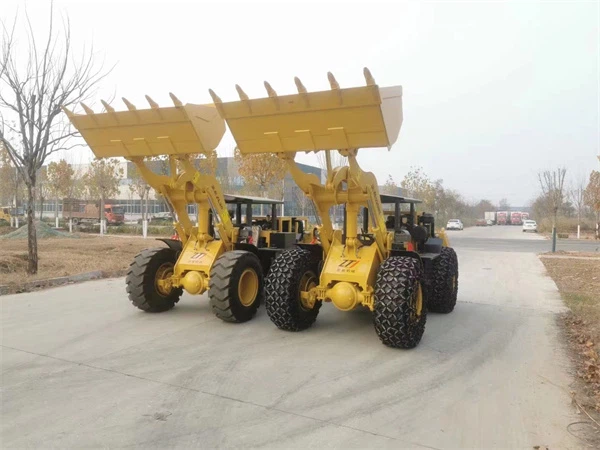

If you are interested in learning more about how our coal mining wheel loaders, equipped with advanced telematics technology, can benefit your mining operation, or if you are looking to purchase high - quality Coal Mining Machinery, please feel free to contact us for a detailed consultation. We are committed to providing you with the best solutions to meet your mining needs.
References
- Smith, J. (2020). The Impact of Telematics on Mining Equipment Management. Journal of Mining Technology, 15(2), 45 - 56.
- Brown, A. (2019). Telematics in Coal Mining: A Review of Current Practices and Future Trends. Mining Engineering Review, 22(3), 78 - 89.
- Green, C. (2021). Improving Safety and Efficiency in Coal Mining with Telematics. International Journal of Coal Mining, 33(4), 123 - 135.