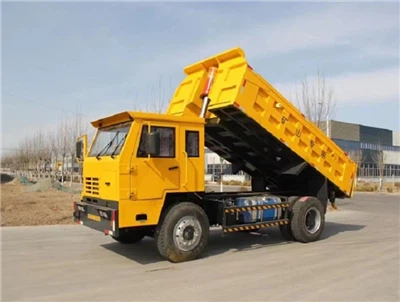
Hey there! As a supplier of Rubber Wheel Trucks, I've been getting a lot of questions lately about how rubber hardness impacts a truck's performance. So, I thought I'd dive into this topic and share some insights with you all.
First off, let's talk about what rubber hardness actually means. Rubber hardness is typically measured on the Shore scale. The Shore scale has different types, but the most common one for rubber wheels is the Shore A scale. A lower Shore A value means the rubber is softer, while a higher value indicates a harder rubber.


Now, let's see how this hardness affects the truck's performance in various aspects.
Traction
Traction is one of the most critical factors when it comes to a truck's performance. Soft rubber wheels generally offer better traction. The reason is that the softer rubber can deform more easily to conform to the surface of the road or the terrain. This means it can grip the ground better, especially on uneven or slippery surfaces. For example, in a mining environment where there might be loose rocks or wet areas, a truck with softer rubber wheels will have an edge in terms of traction. It can reduce the chances of skidding and make the truck more stable when accelerating, braking, or turning.
On the other hand, harder rubber wheels have less traction. They don't deform as much, so they don't have the same level of contact with the ground. However, in some situations, like on smooth and dry roads, the difference in traction might not be as noticeable. But for applications like off - road or in mines where the conditions are more challenging, the traction advantage of soft rubber wheels becomes quite significant.
Wear Resistance
When it comes to wear resistance, harder rubber wheels are the clear winners. Hard rubber is more resistant to abrasion. In a mining environment, where the trucks are constantly moving on rough surfaces and might come into contact with sharp rocks, the hard rubber wheels can withstand the wear and tear much better than soft rubber wheels. Soft rubber is more likely to get cut, chipped, or worn down quickly. This means that if you're using a truck in a high - abrasion environment, you might want to consider harder rubber wheels to reduce the frequency of wheel replacements.
However, it's not all black and white. Hard rubber wheels can also be more brittle in some cases. If they hit a large object with force, they might crack or break, while soft rubber wheels are more flexible and can absorb the impact better.
Ride Comfort
Ride comfort is another important aspect of a truck's performance. Soft rubber wheels provide a smoother ride. They can absorb shocks and vibrations better because of their ability to deform. When the truck goes over bumps or uneven surfaces, the soft rubber compresses and expands, reducing the amount of jolt that is transferred to the truck's cabin and the cargo. This is especially important for long - haul trips or when transporting delicate cargo.
Hard rubber wheels, on the other hand, transfer more of the vibrations and shocks to the truck. The ride can be a bit bumpier, which might not be ideal for drivers or for cargo that needs to be handled gently.
Load - Bearing Capacity
Harder rubber wheels generally have a higher load - bearing capacity. The stiffer nature of the hard rubber allows it to support heavier loads without deforming too much. In a mining operation, where trucks are often carrying large amounts of ore or other heavy materials, hard rubber wheels can be a better choice. They can handle the weight without getting flattened or damaged easily.
Soft rubber wheels, while they can support a certain amount of load, are more likely to deform under heavy loads. This can lead to uneven wear and might even affect the truck's handling and stability.
Fuel Efficiency
Fuel efficiency is also influenced by rubber hardness. Soft rubber wheels require more energy to roll. The constant deformation of the soft rubber as the wheel rotates creates more internal friction, which means the engine has to work harder to move the truck. This results in lower fuel efficiency.
Hard rubber wheels, with less deformation and less internal friction, are more fuel - efficient. They allow the truck to roll more easily, reducing the energy required to move the vehicle. So, if fuel costs are a significant concern for your operation, harder rubber wheels might be a better option.
Now, let's talk about some real - world applications.
In the mining industry, there are different types of trucks, such as the Mining Dump Truck. These trucks are used to transport large amounts of materials within the mine. Depending on the specific conditions of the mine, different rubber hardnesses might be preferred. If the mine has a lot of rough and uneven terrain, softer rubber wheels might be better for traction. But if the mine has a well - maintained haul road and the trucks are carrying extremely heavy loads, harder rubber wheels could be the way to go.
Our Rubber Wheel Truck is designed to be versatile, and we offer different options for rubber hardness to meet the diverse needs of our customers. Whether you're looking for better traction, wear resistance, ride comfort, or fuel efficiency, we can help you choose the right rubber hardness for your application.
Another type of vehicle in the mining and industrial sectors is the Trackless Rubber Wheel Vehicle. These vehicles are used for various tasks, such as personnel transport and equipment hauling. Similar to the dump trucks, the choice of rubber hardness depends on the operating conditions. For example, if the vehicle is used mainly for transporting people, ride comfort might be a top priority, so softer rubber wheels could be a good choice.
So, as you can see, the rubber hardness has a significant impact on a truck's performance. There's no one - size - fits - all answer when it comes to choosing the right rubber hardness. It all depends on your specific application, the operating conditions, and your priorities.
If you're in the market for a Rubber Wheel Truck or need to replace the wheels on your existing truck, and you're not sure which rubber hardness is best for you, don't hesitate to reach out. We're here to help you make an informed decision. Our team of experts can analyze your needs and recommend the most suitable rubber hardness for your truck. Whether you need better traction in a mine, longer - lasting wheels, or a smoother ride, we've got you covered.
Let's work together to optimize your truck's performance and get the most out of your investment. Contact us today to start the conversation about your rubber wheel truck needs.
References
- "Rubber Technology Handbook" by Werner Hofmann
- "Tire and Vehicle Dynamics" by Hans Pacejka