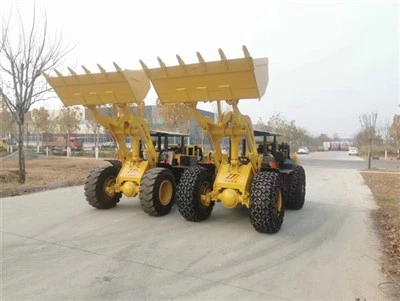
Yo! I'm a supplier of rubber wheel trucks, and I've seen firsthand how the weather can mess with those rubber wheels big time. So, let's dig into how different weather conditions affect the rubber wheels of a truck.
Hot Weather
When the sun's blazing down and the mercury soars, it's a real challenge for truck rubber wheels. The heat softens the rubber, which might sound cool at first, but it's actually a pain in the neck.
Soft rubber means more friction between the tires and the road. This extra friction generates even more heat, sort of like a never - ending loop. And too much heat can cause the rubber to wear out faster. You know how a gummy bear gets all squishy and starts to lose its shape in the sun? Well, truck tires are a bit like that. The tread on the tires can wear down quicker, reducing their grip on the road.
Also, hot weather can lead to higher tire pressure. As the air inside the tire heats up, it expands. If the pressure gets too high, the tire could blow out. That's not only dangerous on the road but also incredibly costly for the truck owner.
A truck used in mining operations, say a Trackless Rubber Wheel Shuttletram, is often in exposed areas where the sun beats down. The constant movement on rough terrain with the added heat makes the tires more susceptible to damage. And if you're in a place where coal mining is big, like for Coal Mining Machinery, you'll find that hot weather can really put a strain on the rubber wheels of these trucks.
Cold Weather
Brrr, cold weather is another story. When it gets super cold, rubber becomes hard and brittle. It's like trying to bend a plastic ruler that's been in the freezer. The hard rubber doesn't have the same flexibility as it does in normal temperatures.
This lack of flexibility can lead to cracks forming in the tires. As the truck moves over bumps or uneven ground, the rigid rubber can't absorb the shock properly. So, those tiny cracks can turn into big problems, and eventually, the tire might even split.
Cold weather also affects the tire's air pressure. Just like in hot weather, but in the opposite way. The air inside the tire contracts in the cold, lowering the pressure. If the pressure is too low, the tire can overflex, which leads to excessive wear on the edges of the tire.
For Mine Wide Body Vehicle, which are often working in harsh, cold environments, the cold - weather impact on the rubber wheels can be a real headache. These vehicles need to be reliable, but the cold can make that a real challenge.
Rainy and Wet Conditions
Rain is a bit of a mixed bag. On one hand, a light rain can be a blessing as it cools down the tires, especially if it's been hot. But on the other hand, when it's pouring, wet roads are a hazard.
The rubber wheels have to deal with hydroplaning. When there's a lot of water on the road, the tire can't make proper contact with the surface. Instead, it rides on top of a layer of water, like a boat on a lake. This means the driver loses control of the vehicle, and it becomes very dangerous.
The tread on the tires is crucial in wet conditions. A good tread pattern helps to channel the water away from the tire, reducing the risk of hydroplaning. But if the tires are worn out, the risk goes way up. Trucks used in coal mining or other industries with outdoor operations, like the ones I supply, need to have well - maintained tires to handle wet weather safely.
Snow and Ice
In snowy and icy conditions, the rubber wheels face some tough challenges. The rubber loses its grip on the slippery surface. It's like trying to walk on an ice rink in regular shoes.
Tire chains can be a big help in these situations. They add extra traction to the tires, allowing the truck to move more safely on snow and ice. But the chains can also cause additional wear on the tires. The constant rubbing and pulling can damage the rubber.

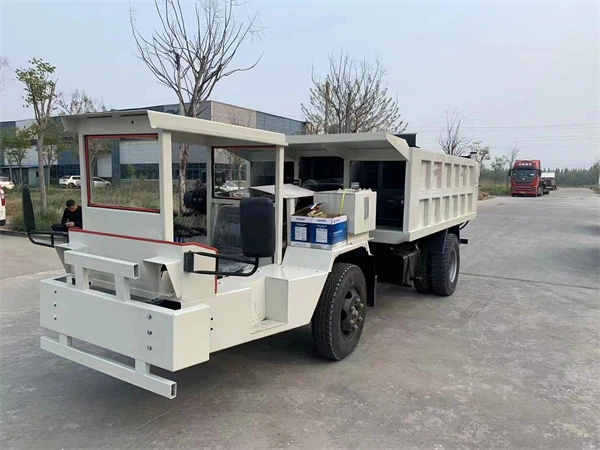
Also, the cold temperatures associated with snow and ice contribute to the rubber getting hard and brittle, as we talked about earlier. This makes it even harder for the tires to grip the road.
Protecting the Rubber Wheels
So, what can we do to protect these rubber wheels from the weather? Well, regular maintenance is key. Checking the tire pressure regularly, especially in extreme temperatures, can prevent problems like blowouts in the heat or overflexing in the cold.
Inspecting the tires for signs of wear, like cracks or low tread, is also important. If you catch these issues early, you can replace the tires before they cause bigger problems.
For trucks that operate in harsh weather conditions, using tires designed for those specific conditions can make a huge difference. There are winter tires with special tread patterns for snow and ice, and heat - resistant tires for hot climates.
Conclusion
In a nutshell, the weather has a massive impact on the rubber wheels of a truck. Whether it's the heat, cold, rain, snow, or ice, each weather condition brings its own set of challenges. As a rubber wheel truck supplier, I know how important it is for truck owners and operators to be aware of these effects and take steps to protect their tires.
If you're in the market for high - quality rubber wheel trucks that can handle all sorts of weather conditions, don't hesitate to reach out. We're here to help you find the perfect solution for your needs. Let's have a chat and figure out the best fit for your business.
References
- "The Impact of Temperature on Tire Performance," Tire Research Journal
- "Weather and Tire Wear: A Comprehensive Analysis," Automotive Science Review