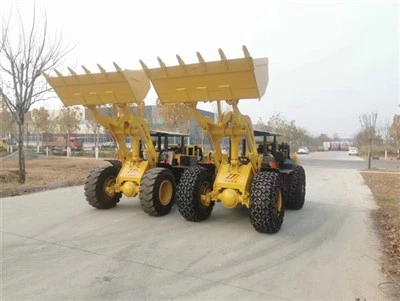
As a supplier of Mining Loaders, I've seen firsthand the importance of optimizing the loading process. It's not just about getting the job done; it's about doing it efficiently, safely, and cost - effectively. In this blog, I'll share some tips on how to optimize the loading process of a Mining Loader.
1. Pre - loading Preparation
Before the actual loading begins, there are several steps that can be taken to set the stage for a smooth process. First and foremost, proper maintenance of the Mining Loader is crucial. Regularly check the engine, hydraulic systems, and all moving parts. A well - maintained loader is less likely to break down during the loading process, which can save a lot of time and money.
Another important aspect is the training of the operators. Make sure they are familiar with the controls of the Mining Loader and understand the safety procedures. A skilled operator can significantly improve the loading efficiency. They know how to position the loader correctly, how to handle different types of materials, and how to avoid common mistakes.
It's also a good idea to assess the mining site conditions. If the ground is uneven or slippery, it can affect the stability of the loader and the loading process. Take measures to level the ground or use appropriate tires for better traction. For example, if you're dealing with a wet or muddy site, tires with deeper treads can provide better grip.
2. Choosing the Right Attachment
The type of attachment used on the Mining Loader can have a huge impact on the loading process. Different materials require different attachments. For instance, if you're loading loose materials like sand or gravel, a standard bucket attachment might be sufficient. However, if you're dealing with large rocks or boulders, a grapple attachment could be more appropriate.
The Concrete Mixer Truck For Mining often works in conjunction with Mining Loaders. When loading concrete materials, a specialized bucket that can handle the weight and consistency of concrete is necessary. This ensures that the loading is done accurately and without spillage.
3. Loading Technique
Proper loading technique is essential for optimizing the process. The operator should approach the material in a straight line as much as possible. This reduces the amount of time spent maneuvering the loader and increases the efficiency of each load.
When scooping up the material, the bucket should be at the correct angle. If the bucket is too flat, it may not pick up enough material. On the other hand, if it's too steep, it can cause the material to spill. The operator needs to find the sweet spot for maximum loading capacity.
It's also important to fill the bucket evenly. Unevenly filled buckets can lead to imbalance, which can be dangerous and also reduce the overall loading efficiency. The operator should make multiple passes if necessary to ensure a full and even load.
4. Material Handling and Placement
Once the loader has picked up the material, the next step is to transport and place it at the desired location. The route from the loading point to the unloading point should be planned in advance. Avoid obstacles and choose the shortest and safest path.
When unloading the material, the operator should be careful not to dump it too quickly. This can cause damage to the receiving area or spill the material outside the intended area. For example, when unloading into a Underground Troop Carrier, a slow and controlled unloading process is required to ensure the safety of the vehicle and its contents.
5. Fleet Management
If you have a fleet of Mining Loaders, proper fleet management can optimize the overall loading process. Keep track of the usage and performance of each loader. Rotate the loaders regularly to prevent over - use of a single machine.
Use data analytics to monitor the productivity of each loader. Analyze factors such as loading time, fuel consumption, and maintenance requirements. Based on this data, you can make informed decisions about when to replace or upgrade a loader.
6. Safety Considerations
Safety should always be a top priority during the loading process. The Mining Loader should be equipped with all the necessary safety features, such as seat belts, warning lights, and backup alarms.
The operator should wear appropriate personal protective equipment (PPE), including hard hats, safety glasses, and steel - toed boots. Regular safety training should be provided to all operators to ensure they are aware of the potential hazards and how to avoid them.


7. Integration with Other Equipment
Mining Loaders often work in conjunction with other equipment, such as Mining Drive Vehicle. Ensure that there is seamless integration between the loader and other equipment. This can be achieved through proper communication channels and coordination.
For example, the loader operator should know the capacity and requirements of the Mining Drive Vehicle. This way, they can load the right amount of material without overloading or under - loading the vehicle.
Conclusion
Optimizing the loading process of a Mining Loader is a multi - faceted task that involves pre - loading preparation, choosing the right attachment, using proper loading techniques, efficient material handling, fleet management, safety considerations, and integration with other equipment. By implementing these strategies, you can improve the efficiency, safety, and cost - effectiveness of your mining operations.
If you're interested in learning more about our Mining Loaders or have any questions regarding the loading process optimization, feel free to contact us for a procurement discussion. We're here to help you make the most of your mining equipment.
References
- Smith, J. (2020). Mining Equipment Operations. Mining Journal.
- Johnson, A. (2019). Efficiency in Mining Loading Processes. Industrial Mining Review.