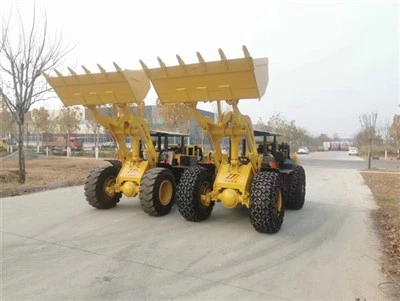
Hey there! I'm working with an articulated dump truck supply business, and I know a thing or two about these beasts. Starting and stopping an articulated dump truck properly isn't just about turning a key and hitting the brakes. It's a process that ensures safety, efficiency, and the longevity of your vehicle. In this blog, I'll walk you through the steps to start and stop an articulated dump truck like a pro.
Pre - start Checks
Before you even think about starting the engine, there are a bunch of checks you need to do. First off, take a good look around the truck. Check for any visible damage, like dents, leaks, or loose parts. You don't want to be on the road with a problem that could have been spotted easily.
Next, check the fluid levels. This includes the engine oil, coolant, and hydraulic fluid. Low fluid levels can cause serious damage to the engine and other vital components. Just pop the hood and use the dipsticks to check the levels. Make sure they're within the recommended range.
Tire inspection is also crucial. Check the tire pressure and look for any signs of wear or damage. Under - inflated or damaged tires can affect the truck's handling and fuel efficiency. You can use a tire pressure gauge to get an accurate reading.
Once you're done with the external checks, hop inside the cab. Adjust your seat and mirrors so you have a clear view of the road and the surroundings. Make sure all the warning lights on the dashboard are working properly. If any of them stay on after you turn the key to the "on" position, don't start the truck. It could indicate a problem that needs to be addressed.
Starting the Articulated Dump Truck
Now that you've completed all the pre - start checks, it's time to start the engine. Insert the key into the ignition and turn it to the "on" position. Let the truck's electrical system power up for a few seconds. This allows the fuel pump to prime the engine and the computer to run a self - check.
After a few seconds, turn the key further to start the engine. Listen for the engine to fire up. If it doesn't start right away, don't keep cranking the engine for too long. Give it a short break and try again. If it still won't start, there might be an issue with the battery, fuel system, or ignition.
Once the engine is running, let it idle for a few minutes. This gives the engine oil time to circulate and lubricate all the moving parts. It also warms up the engine, which is important for optimal performance.
While the engine is idling, check the dashboard gauges. The oil pressure gauge should show a normal reading, and the temperature gauge should start to rise slowly. If any of the gauges show abnormal readings, shut off the engine immediately and investigate the problem.
Driving the Articulated Dump Truck
When you're ready to start moving, shift the transmission into the appropriate gear. Most articulated dump trucks have an automatic or semi - automatic transmission. Select the gear that suits your driving conditions. For example, if you're starting on a flat surface, you can start in a lower gear. If you're on an incline, you might need a lower gear to get enough power.
As you start moving, use the accelerator and brake pedals smoothly. Sudden acceleration or braking can cause the load to shift and affect the truck's stability. Keep a safe distance from other vehicles on the road and follow all traffic rules.
When you're turning, remember that articulated dump trucks have a larger turning radius compared to regular trucks. Take your time and make wide turns to avoid hitting curbs or other obstacles. Use your turn signals to indicate your intentions to other drivers.
If you're carrying a load, make sure it's evenly distributed in the dump body. An uneven load can cause the truck to tip over, especially when turning or on uneven terrain.
Stopping the Articulated Dump Truck
When it's time to stop the truck, start by releasing the accelerator pedal. Let the truck slow down gradually. Use the brake pedal to bring the truck to a complete stop. Apply the brakes smoothly to avoid jerking the load.
Once the truck is stopped, shift the transmission into "park" (if it's an automatic) or "neutral" and engage the parking brake. The parking brake provides an extra layer of safety, especially when the truck is parked on an incline.
After you've parked the truck, turn off the engine. But don't just turn the key and walk away. Let the engine idle for a few minutes if it has been under heavy load. This allows the engine to cool down gradually and prevents damage to the turbocharger (if the truck is turbocharged).
Post - stop Checks
After you've stopped the truck and turned off the engine, there are still a few things you need to do. Check the fluid levels again. Sometimes, a problem might not be apparent until the truck has been running. Look for any new leaks under the truck.
Inspect the tires once more. If you've been driving on rough terrain, there could be new damage or debris stuck in the tires.
If you're going to leave the truck parked for an extended period, make sure to secure it properly. Lock the cab doors and remove any valuable items from inside.
Why Proper Starting and Stopping Matter
Properly starting and stopping an articulated dump truck has several benefits. First of all, it ensures your safety and the safety of others on the road. A well - maintained and properly operated truck is less likely to break down or cause an accident.
It also helps to extend the lifespan of the truck. By following the correct procedures, you reduce the wear and tear on the engine, transmission, and other components. This means fewer repairs and lower maintenance costs in the long run.
In addition, proper starting and stopping can improve fuel efficiency. A well - maintained engine runs more efficiently, which saves you money on fuel.
Our Articulated Dump Truck Offerings
As an articulated dump truck supplier, we offer a wide range of high - quality trucks to meet your needs. Whether you're in the construction, mining, or transportation industry, we've got you covered.
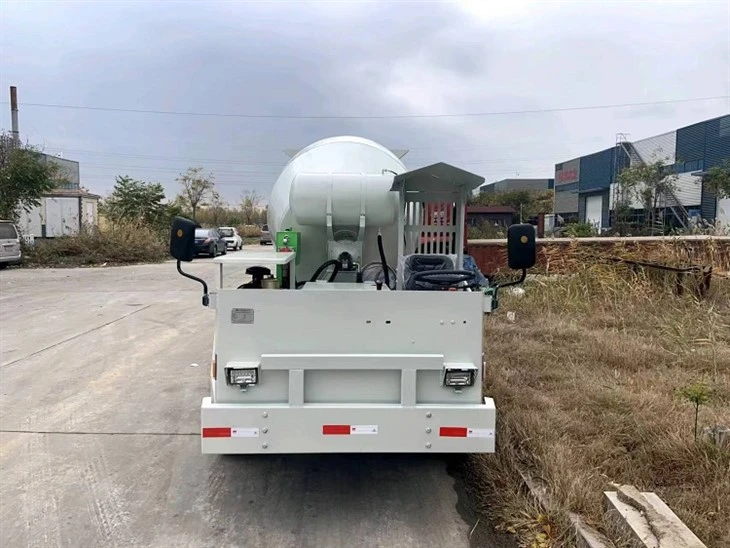
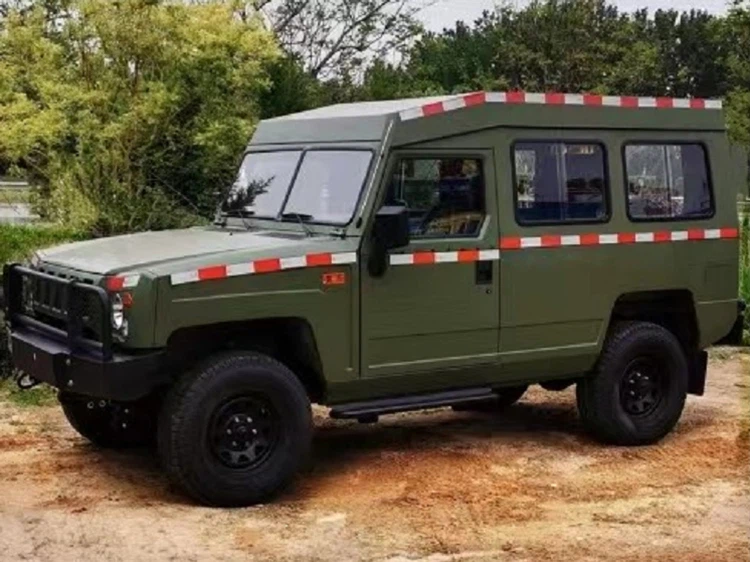
We also have some other great products in our lineup. Check out our 35 - ton Underground Mining Dump Truck, which is designed for tough mining conditions. Our Underground Troop Carrier is perfect for transporting personnel in underground environments. And if you're in the concrete business, our 3 Cubic Meter Concrete Mixer Truck is a reliable choice.
If you're interested in purchasing an articulated dump truck or any of our other products, don't hesitate to get in touch with us. We can provide you with more information, answer your questions, and help you find the right truck for your business.
Conclusion
Starting and stopping an articulated dump truck properly is a skill that every operator should master. By following the steps outlined in this blog, you can ensure the safety, efficiency, and longevity of your truck. Remember to always do your pre - start and post - stop checks, start and stop the engine correctly, and drive safely.
If you have any questions or need more information about our articulated dump trucks or other products, feel free to reach out. We're here to help you make the right choice for your business.
References
- "Heavy Equipment Operator's Manual" - A comprehensive guide for operating heavy machinery.
- Manufacturer's manuals for articulated dump trucks, which provide detailed information on starting, operating, and maintaining the trucks.