

Transporting an underground haul truck is a complex and critical task that requires careful planning, specialized equipment, and strict adherence to safety protocols. As a supplier of underground haul trucks, I understand the challenges and considerations involved in this process. In this blog post, I will share some insights and best practices on how to transport an underground haul truck effectively and safely.
Pre - Transport Planning
The first step in transporting an underground haul truck is thorough pre - transport planning. This involves assessing the size, weight, and dimensions of the truck. Underground haul trucks come in various sizes, with some being extremely large and heavy. You need to know the exact specifications of the truck, including its length, width, height, and weight, as these factors will determine the type of transportation equipment required.
Next, you should evaluate the transportation route. Consider factors such as road conditions, bridge clearances, and traffic regulations. If the truck is being transported over long distances, you may need to obtain special permits. Some areas have restrictions on the size and weight of vehicles that can travel on their roads, so it's crucial to check these regulations in advance.
Another important aspect of pre - transport planning is to prepare the truck for transportation. This includes draining all fluids such as fuel, oil, and coolant to prevent spills during transit. You should also secure all loose parts and components on the truck. Remove any detachable accessories that could be damaged or pose a risk during transportation.
Choosing the Right Transportation Method
There are several transportation methods available for moving an underground haul truck, and the choice depends on various factors such as distance, cost, and the specific requirements of the truck.
Over - the - Road Transport
For relatively short distances, over - the - road transport using flatbed trailers is a common option. Flatbed trailers are versatile and can accommodate a wide range of truck sizes. However, they are subject to road regulations regarding weight and dimensions. When using a flatbed trailer, ensure that the truck is properly secured using high - strength straps or chains. The straps should be tightened to prevent any movement of the truck during transit.
Rail Transport
For longer distances, rail transport can be a more cost - effective and efficient option. Railroads can handle large and heavy loads more easily than trucks on the road. However, rail transport requires specialized loading and unloading equipment. You need to have access to a rail siding or a transfer facility where the truck can be loaded onto the rail car. Rail transport also has its own set of regulations and safety procedures that must be followed.
Shipping Containers
If the underground haul truck is being transported overseas, shipping containers may be used. The truck needs to be disassembled into smaller components that can fit into the container. This requires careful disassembly and reassembly processes. Shipping containers provide protection from the elements and can be easily transferred between different modes of transportation such as ships, trains, and trucks.
Loading and Unloading
Loading and unloading the underground haul truck are critical steps in the transportation process. Safety should be the top priority during these operations.
When loading the truck onto a trailer or a rail car, use appropriate lifting equipment such as cranes or forklifts. Ensure that the lifting points on the truck are correctly identified and that the lifting equipment is rated for the weight of the truck. The truck should be centered on the trailer or rail car to maintain balance during transit.
Unloading also requires careful planning. The unloading area should be level and stable. Use the same lifting equipment to carefully lower the truck from the transportation vehicle. Inspect the truck for any damage that may have occurred during transit before moving it to its final destination.
Safety Considerations
Safety is of utmost importance when transporting an underground haul truck. All personnel involved in the transportation process should be properly trained and equipped with the necessary safety gear.
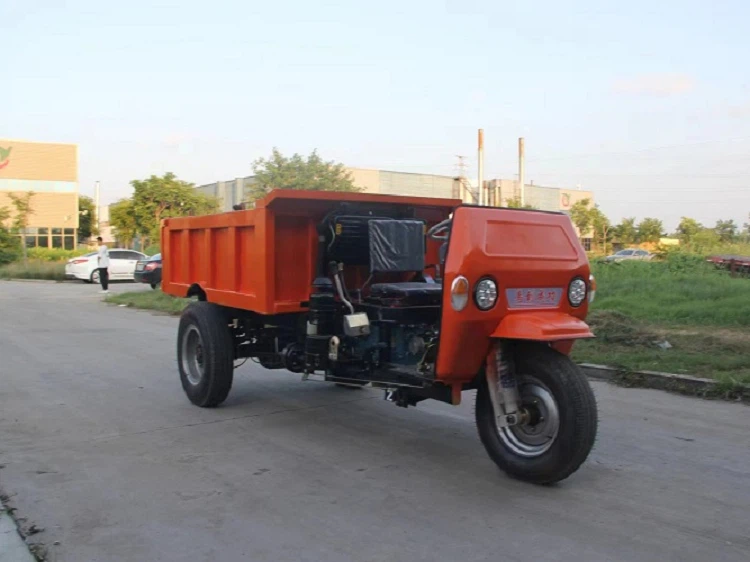

During transportation, the truck should be regularly inspected to ensure that all securing devices are still in place. If you are using over - the - road transport, drivers should be aware of the special handling requirements of the large and heavy load. They should drive at a safe speed and avoid sudden maneuvers.
In addition, safety regulations regarding the transportation of hazardous materials (even if the fluids have been drained) should be strictly followed. This includes proper labeling and documentation of the cargo.
Related Products
As an underground haul truck supplier, we also offer other related products that can be useful in underground mining operations. You can explore our Trackless Personnel Carrier, which is designed to safely transport workers in underground mines. Our 3 Wheel Electric Dump Truck is a practical and efficient solution for small - scale material handling in underground environments. And for larger - scale operations, our 20 Tons Mining Transport Truck can handle heavy loads with ease.
Conclusion
Transporting an underground haul truck is a multi - step process that requires careful planning, the right transportation method, and strict safety measures. By following these guidelines, you can ensure that your underground haul truck is transported safely and efficiently to its destination.
If you are interested in purchasing an underground haul truck or any of our related products, we encourage you to contact us for a detailed discussion. Our team of experts is ready to assist you with your specific needs and requirements. We look forward to working with you to find the best solutions for your underground mining operations.
References
- "Heavy Haul Transportation Handbook" by John Doe
- "Mining Equipment Transport and Safety Guidelines" published by the Mining Industry Association


