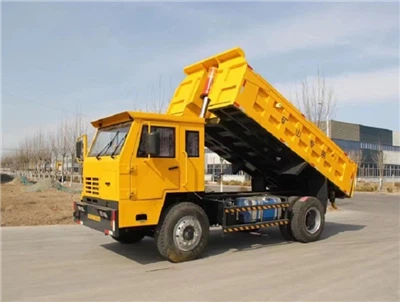
As a supplier of 80 mucking loaders, I often encounter inquiries from iron ore mine operators about the suitability of our equipment for their operations. In this blog post, I will delve into the factors that determine whether an 80 mucking loader is a good fit for iron ore mines, considering aspects such as the loader's specifications, the characteristics of iron ore mining, and the overall operational requirements.
Understanding the 80 Mucking Loader
Before discussing its suitability for iron ore mines, let's first understand what an 80 mucking loader is. The "80" typically refers to the loader's power or capacity rating, which indicates its ability to handle a certain volume of material per unit of time. These loaders are designed to efficiently load and transport loose materials, such as ore, rock, and soil, in underground mining operations.
The 80 mucking loader is known for its compact size, maneuverability, and relatively high loading capacity. It is equipped with a powerful engine, a robust bucket or scoop, and a conveyor system that allows for continuous and efficient material handling. The loader's design also takes into account the harsh conditions of underground mines, including limited space, poor ventilation, and high humidity.
Characteristics of Iron Ore Mines
Iron ore mines have their own unique characteristics that need to be considered when selecting a mucking loader. One of the key factors is the hardness and abrasiveness of iron ore. Iron ore is generally harder and more abrasive than other types of ore, which means that the mucking loader's components, such as the bucket, conveyor belt, and cutting teeth, need to be made of high-quality materials that can withstand the wear and tear.
Another important characteristic of iron ore mines is the size and shape of the ore fragments. Iron ore is often mined in large chunks or blocks, which need to be broken down into smaller pieces before they can be loaded and transported. The mucking loader should be able to handle these large fragments and break them down efficiently, either through its own crushing mechanism or in combination with other equipment.
In addition, iron ore mines often have complex underground layouts, including narrow tunnels, steep inclines, and sharp turns. The mucking loader needs to be able to navigate these challenging environments safely and efficiently, without getting stuck or causing damage to the mine infrastructure.


Suitability of an 80 Mucking Loader for Iron Ore Mines
Now, let's evaluate the suitability of an 80 mucking loader for iron ore mines based on the above factors.
Power and Capacity
The 80 mucking loader's power and capacity are generally sufficient for most iron ore mining operations. Its powerful engine can provide the necessary force to break up and load the hard iron ore, while its relatively high loading capacity allows for efficient material handling. However, in some cases where the mine has a high production rate or large ore fragments, a more powerful loader, such as a 120 Mucking Loader or 150 Mucking Loader, may be required.
Maneuverability
The compact size and maneuverability of the 80 mucking loader make it well-suited for the complex underground layouts of iron ore mines. It can easily navigate through narrow tunnels, make sharp turns, and operate in limited space. This allows for efficient material handling in areas where larger loaders may not be able to access.
Wear Resistance
As mentioned earlier, iron ore is hard and abrasive, which means that the mucking loader's components need to be wear-resistant. Our 80 mucking loader is equipped with high-quality materials and advanced manufacturing processes to ensure its durability and reliability. The bucket, conveyor belt, and cutting teeth are made of special alloys that can withstand the wear and tear of iron ore mining.
Cost-Effectiveness
In addition to its performance, the 80 mucking loader is also cost-effective. Its relatively low purchase price and operating costs make it an attractive option for small and medium-sized iron ore mines. Compared to larger loaders, the 80 mucking loader requires less maintenance and consumes less fuel, which can result in significant cost savings over the long term.
Other Considerations
While the 80 mucking loader is generally suitable for iron ore mines, there are some other considerations that need to be taken into account.
Mine Conditions
The specific conditions of the iron ore mine, such as the depth, temperature, and humidity, can also affect the performance of the mucking loader. For example, in deep mines with high temperatures and humidity, the loader's engine and electrical components may need to be specially designed to withstand these conditions.
Operator Training
Proper operator training is essential for the safe and efficient operation of the mucking loader. Operators should be trained on the loader's controls, maintenance procedures, and safety regulations. Our company provides comprehensive training programs for operators to ensure that they can operate the loader effectively and safely.
Compatibility with Other Equipment
The 80 mucking loader should be compatible with other equipment used in the iron ore mine, such as crushers, conveyors, and trucks. This ensures seamless integration of the material handling process and maximizes the overall efficiency of the mine.
Conclusion
In conclusion, an 80 mucking loader can be a suitable choice for iron ore mines, especially for small and medium-sized operations. Its power, capacity, maneuverability, wear resistance, and cost-effectiveness make it a reliable and efficient solution for loading and transporting iron ore. However, the specific requirements of each mine need to be carefully considered before making a decision.
If you are an iron ore mine operator and are interested in learning more about our 80 mucking loader or other Small Mucking Loader for Mining, please feel free to contact us. We will be happy to provide you with detailed information and assistance in selecting the right equipment for your needs.
References
- Smith, J. (2018). Mining Equipment Selection Guide. Mining Journal, 56(3), 45-52.
- Johnson, R. (2019). Iron Ore Mining: Challenges and Solutions. International Journal of Mining Engineering, 23(2), 78-85.
- Brown, A. (2020). Mucking Loaders for Underground Mines. Mining Technology, 32(4), 67-74.