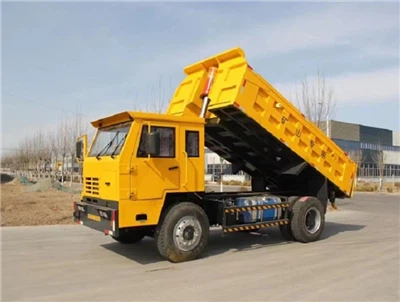
Hey there! As a mucking loader supplier, I've been in the thick of the industry for quite some time. While mucking loaders are super useful machines in mining, tunneling, and other construction - related fields, they're not without their drawbacks. In this blog, I'll be spilling the beans on the disadvantages of using a mucking loader.
High Initial Investment
One of the first things that hits you when considering a mucking loader is the high upfront cost. These machines are no cheap buys. Whether you're eyeing a 150Mucking Loader, a 120 Mucking Loader, or an 80 Mucking Loader, you're looking at shelling out a significant amount of money.
For small - scale mining operations or startups, this can be a real deal - breaker. They might not have the capital to invest in a top - of - the - line mucking loader right off the bat. And let's be real, cutting corners and going for a cheaper, lower - quality model often leads to more problems down the road.
Maintenance and Repair Costs
Once you've managed to purchase a mucking loader, the costs don't stop there. Maintenance and repair are ongoing expenses that can really add up over time. Mucking loaders are complex machines with lots of moving parts. These parts are constantly exposed to harsh working conditions like dust, debris, and heavy loads.


Regular maintenance is crucial to keep the machine running smoothly. This includes tasks like oil changes, filter replacements, and inspections of the hydraulic systems. And when something breaks down, which is bound to happen eventually, the repair costs can be steep. Specialized parts can be hard to come by and are often expensive. Plus, you'll need trained technicians to do the repairs, and their services don't come cheap either.
Limited Mobility in Certain Terrains
Mucking loaders are designed to work in tough environments, but they still have their limitations when it comes to mobility. Some models struggle in extremely rough or uneven terrains. For example, if you're working in a mine with lots of sharp rocks or steep slopes, the mucking loader might not be able to move around as freely as you'd like.
This limited mobility can slow down the mucking process significantly. You might have to spend extra time and effort maneuvering the machine into the right position to load the muck. In some cases, it might even be impossible to reach certain areas with the mucking loader, forcing you to use alternative, less efficient methods.
Noise and Vibration
Working with a mucking loader can be a noisy and bumpy experience. These machines generate a lot of noise during operation, which can be a real nuisance for the operators and anyone working nearby. Prolonged exposure to high - level noise can lead to hearing problems, not to mention the general discomfort it causes.
In addition to the noise, mucking loaders also produce a lot of vibration. The constant shaking can be hard on the operator's body, leading to fatigue and potential long - term health issues like back pain and joint problems. It can also affect the accuracy of the machine's operation, as the vibrations can make it difficult to control the loader precisely.
Environmental Impact
Mucking loaders can have a negative impact on the environment. They typically run on diesel fuel, which emits pollutants like carbon monoxide, nitrogen oxides, and particulate matter. These emissions contribute to air pollution, which can have harmful effects on human health and the ecosystem.
Moreover, the operation of mucking loaders can also cause soil erosion and damage to natural habitats. When the machine moves around, it can disturb the soil and vegetation, leading to the loss of topsoil and the destruction of plant and animal habitats. This is a major concern, especially in areas where environmental protection is a priority.
Operator Training Requirements
Operating a mucking loader is not a walk in the park. It requires specialized training and skills. New operators need to learn how to control the machine safely and efficiently, which takes time and resources.
Training programs can be expensive, and there's also the cost of lost productivity during the training period. Even after the initial training, operators need to keep up with the latest techniques and safety protocols through regular refresher courses. If an operator isn't properly trained, it can lead to accidents, damage to the machine, and a decrease in overall productivity.
Space Constraints
In some mining or construction sites, space can be a real issue. Mucking loaders are large machines, and they need enough room to operate. If the working area is too small or cramped, it can be difficult to maneuver the loader effectively.
This can lead to inefficiencies in the mucking process. For example, the operator might have to make multiple turns or back - up maneuvers to get into the right position, which wastes time and fuel. In extreme cases, the limited space might even prevent the mucking loader from being used at all, forcing the use of less efficient manual methods.
Dependence on Power Supply
Most mucking loaders rely on a stable power supply to operate. If you're working in a remote area where the power grid is unreliable or non - existent, this can be a major problem. Diesel - powered mucking loaders require a constant supply of fuel, and running out of fuel in the middle of a job can bring everything to a halt.
Electric mucking loaders, on the other hand, need a reliable electrical connection. Power outages or voltage fluctuations can disrupt the operation of the machine and cause damage to its electrical components. This dependence on power supply adds an extra layer of complexity and risk to the mucking process.
Compatibility with Other Equipment
In a mining or construction operation, a mucking loader usually needs to work in conjunction with other equipment like trucks, conveyors, and crushers. However, ensuring compatibility between the mucking loader and other equipment can be a challenge.
Different models of mucking loaders have different loading capacities, discharge heights, and connection interfaces. If the mucking loader isn't compatible with the other equipment, it can lead to inefficiencies in the overall operation. For example, if the discharge height of the mucking loader is too low for the truck or conveyor, the muck might not be transferred smoothly, causing spills and delays.
Despite these disadvantages, mucking loaders are still an essential part of many mining and construction operations. They offer a lot of benefits in terms of efficiency and productivity when used correctly. If you're considering purchasing a mucking loader, it's important to weigh these drawbacks against the advantages and make an informed decision.
If you're interested in learning more about our mucking loaders or have any questions regarding the purchase, feel free to reach out. We're here to help you find the best solution for your specific needs.
References
- "Mining Equipment Handbook", various industry experts
- "Construction Machinery: Operation and Maintenance", published by a leading construction industry publisher