

Industrial mining trucks are the workhorses of the mining industry, playing a crucial role in extracting and transporting valuable minerals from the earth. These massive vehicles are designed to carry heavy loads over long distances, often in harsh and challenging environments. However, their operation also has significant environmental impacts that need to be carefully considered. As a supplier of industrial mining trucks, I am acutely aware of these impacts and am committed to providing solutions that minimize their environmental footprint.
Air Pollution
One of the most significant environmental impacts of industrial mining trucks is air pollution. These vehicles typically run on diesel engines, which emit a variety of pollutants, including particulate matter (PM), nitrogen oxides (NOx), sulfur oxides (SOx), and carbon monoxide (CO). PM, especially fine particles known as PM2.5, can penetrate deep into the lungs and cause respiratory problems, cardiovascular diseases, and even premature death. NOx and SOx contribute to the formation of acid rain, which can damage forests, lakes, and soil. CO is a poisonous gas that can reduce the oxygen-carrying capacity of the blood.
To address these issues, modern industrial mining trucks are being equipped with advanced emission control technologies, such as diesel particulate filters (DPFs), selective catalytic reduction (SCR) systems, and exhaust gas recirculation (EGR) systems. DPFs trap and remove PM from the exhaust gases, while SCR systems use a catalyst to convert NOx into nitrogen and water. EGR systems reduce NOx emissions by recirculating a portion of the exhaust gases back into the engine. These technologies can significantly reduce the emissions of industrial mining trucks, but they also increase the cost and complexity of the vehicles.
Noise Pollution
Another environmental impact of industrial mining trucks is noise pollution. The large engines, heavy machinery, and constant movement of these vehicles generate high levels of noise, which can have a negative impact on the health and well-being of workers and nearby communities. Prolonged exposure to high noise levels can cause hearing loss, stress, sleep disturbances, and other health problems. Noise pollution can also disrupt wildlife habitats and interfere with the communication and behavior of animals.
To reduce noise pollution, industrial mining trucks are being designed with quieter engines and improved sound insulation. Additionally, mining companies are implementing noise management plans, such as limiting the operating hours of trucks, using noise barriers, and providing workers with hearing protection. These measures can help to minimize the impact of noise pollution on workers and the environment.
Soil and Water Pollution
Industrial mining trucks can also cause soil and water pollution. The heavy loads carried by these vehicles can compact the soil, reducing its porosity and permeability. This can lead to increased runoff and erosion, which can carry sediment, nutrients, and contaminants into nearby water bodies. Mining activities can also release heavy metals, such as lead, mercury, and cadmium, into the soil and water, which can have toxic effects on plants, animals, and humans.

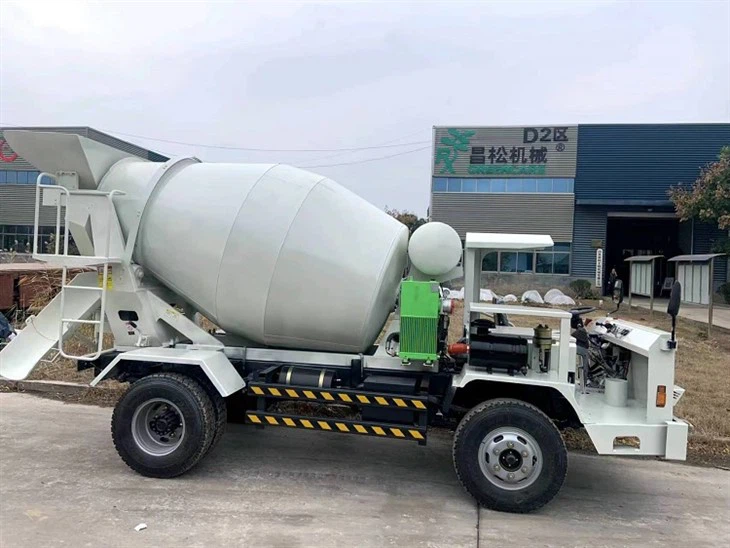
To prevent soil and water pollution, mining companies are implementing best management practices, such as reclamation and restoration of mined areas, proper waste disposal, and the use of erosion control measures. Industrial mining trucks are also being designed with features that minimize their impact on the soil, such as low ground pressure tires and suspension systems. Additionally, mining companies are investing in water treatment facilities to remove contaminants from mine water before it is discharged into the environment.
Energy Consumption
Industrial mining trucks are energy-intensive vehicles, consuming large amounts of diesel fuel. The extraction, refining, and transportation of diesel fuel also have significant environmental impacts, including greenhouse gas emissions, air pollution, and water pollution. To reduce energy consumption and greenhouse gas emissions, mining companies are exploring alternative fuels and technologies, such as natural gas, electric vehicles, and hybrid vehicles.
Natural gas is a cleaner-burning fuel than diesel, emitting fewer pollutants and greenhouse gases. Some industrial mining trucks are being converted to run on compressed natural gas (CNG) or liquefied natural gas (LNG). Electric vehicles and hybrid vehicles are also being developed for use in the mining industry. These vehicles offer the potential for significant energy savings and reduced emissions, but they also face challenges, such as limited range, high upfront costs, and the need for charging infrastructure.
Biodiversity Loss
The operation of industrial mining trucks can also lead to biodiversity loss. Mining activities often involve the clearing of large areas of land, which can destroy habitats for plants and animals. The fragmentation of habitats can also isolate populations of species, making them more vulnerable to extinction. Additionally, the pollution and disturbance caused by mining activities can have a negative impact on the health and survival of wildlife.
To minimize the impact of mining activities on biodiversity, mining companies are implementing biodiversity management plans, such as habitat restoration, wildlife corridors, and the protection of endangered species. Industrial mining trucks are also being designed with features that minimize their impact on wildlife, such as low-speed zones and warning systems.
Our Commitment as a Supplier
As a supplier of industrial mining trucks, we are committed to providing our customers with vehicles that are not only reliable and efficient but also environmentally friendly. We work closely with our customers to understand their specific needs and requirements and to provide them with solutions that minimize the environmental impact of their mining operations.
We offer a range of industrial mining trucks that are equipped with advanced emission control technologies, such as DPFs, SCR systems, and EGR systems. These technologies can significantly reduce the emissions of our trucks, helping our customers to meet environmental regulations and reduce their carbon footprint. We also offer trucks that are designed to run on alternative fuels, such as natural gas, electric vehicles, and hybrid vehicles. These vehicles offer the potential for significant energy savings and reduced emissions, helping our customers to achieve their sustainability goals.
In addition to providing environmentally friendly vehicles, we also offer a range of services and support to help our customers operate their trucks in a sustainable manner. We provide training and education to our customers on the proper use and maintenance of our trucks, as well as on best management practices for reducing the environmental impact of their mining operations. We also offer technical support and troubleshooting services to ensure that our customers' trucks are operating at peak performance.
Contact Us for Sustainable Mining Solutions
If you are in the market for industrial mining trucks and are looking for a supplier that is committed to sustainability, we encourage you to contact us. Our team of experts can help you to select the right trucks for your specific needs and requirements and to provide you with solutions that minimize the environmental impact of your mining operations. We offer a range of Trackless Personnel Carrier, Mining Concrete Mixer Truck, and Underground Mining Machines that are designed to meet the highest standards of reliability, efficiency, and environmental performance.
Let's work together to create a more sustainable future for the mining industry. Contact us today to learn more about our products and services and to discuss how we can help you to achieve your sustainability goals.
References
- Environmental Protection Agency. (2023). Mobile Sources. Retrieved from https://www.epa.gov/mobile-sources
- International Council on Mining and Metals. (2023). Sustainable Development Framework. Retrieved from https://www.icmm.com/sustainable-development-framework
- World Health Organization. (2023). Noise Pollution. Retrieved from https://www.who.int/news-room/fact-sheets/detail/noise-pollution


