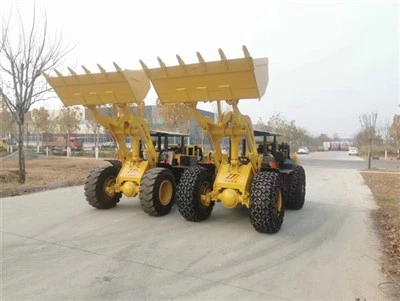
As a supplier of transport trucks, I've spent a significant amount of time delving into various aspects of these vehicles, and one topic that often comes up is the noise levels of transport trucks. Understanding the noise levels is crucial not only for the comfort of drivers and those in the vicinity but also for regulatory compliance and environmental considerations.
Factors Affecting Transport Truck Noise Levels
Engine Noise
The engine is one of the primary sources of noise in a transport truck. Diesel engines, which are commonly used in large transport trucks, tend to be noisier than gasoline engines. The combustion process in a diesel engine is more explosive, resulting in louder knocking sounds. The size and power of the engine also play a role. Larger engines with higher horsepower typically generate more noise. For example, a heavy - duty transport truck designed to carry large loads over long distances will have a more powerful engine and thus produce a higher noise level compared to a smaller, lighter - duty truck.
Exhaust System
The exhaust system can significantly contribute to the overall noise of a transport truck. A poorly designed or damaged exhaust system can increase noise levels. The muffler, which is designed to reduce the noise produced by the exhaust gases, can wear out over time or become damaged. When this happens, the exhaust noise can be much louder. In addition, some transport trucks may be equipped with aftermarket exhaust systems that are louder than the original equipment manufacturer (OEM) systems, either for performance reasons or for a more aggressive sound.
Tires
Tire noise is another important factor. The type of tire, its tread pattern, and the road surface all affect the amount of noise generated. Tires with a more aggressive tread pattern, such as those designed for off - road use, tend to be noisier on paved roads. Different road surfaces also produce different levels of tire noise. For instance, rough asphalt will generally result in more noise compared to smooth concrete.
Aerodynamics
Aerodynamic design can have an impact on noise levels. Trucks with poor aerodynamics create more wind noise as they move through the air. This is especially noticeable at higher speeds. Trucks with a boxy shape or those with large, protruding components will experience more air turbulence, which in turn generates more noise. Modern transport trucks are often designed with aerodynamics in mind to reduce wind noise and improve fuel efficiency.
Measuring Transport Truck Noise Levels
Noise levels are typically measured in decibels (dB). The decibel scale is logarithmic, which means that a small increase in decibels represents a large increase in the actual sound intensity. For example, a 10 - dB increase in noise level represents a ten - fold increase in sound intensity.


In general, transport trucks can produce noise levels ranging from around 70 dB at idle to over 90 dB when accelerating or under heavy load. At highway speeds, noise levels can reach 80 - 90 dB. These levels can be compared to other common sounds for a better understanding. A normal conversation is typically around 60 dB, while a lawnmower can produce noise levels of around 90 dB.
Regulatory Standards
Many countries and regions have regulations regarding the maximum allowable noise levels for transport trucks. These regulations are in place to protect the health and well - being of the public and to reduce noise pollution. For example, in the European Union, transport trucks must comply with strict noise emission standards. Trucks that do not meet these standards may not be allowed to operate on public roads.
Noise Reduction Technologies
Engine Improvements
Engine manufacturers are constantly working on improving engine design to reduce noise. This includes using advanced fuel injection systems, better engine insulation, and improved combustion chamber design. For example, some modern diesel engines use common - rail fuel injection systems, which can reduce the noise associated with the injection process.
Exhaust System Upgrades
Upgrading the exhaust system can also help reduce noise. High - quality mufflers and catalytic converters can be installed to dampen the exhaust noise. Some exhaust systems are designed with multiple chambers to further reduce noise levels.
Tire Selection
Choosing the right tires can make a significant difference in noise levels. Low - noise tires are available on the market, which are designed to minimize the amount of noise generated when in contact with the road. These tires often have a more optimized tread pattern and are made from materials that reduce vibration and noise.
Aerodynamic Design
As mentioned earlier, improving the aerodynamic design of transport trucks can reduce wind noise. This can involve adding fairings, spoilers, and other aerodynamic components to the truck's body. These features help to streamline the airflow around the truck, reducing turbulence and thus wind noise.
Our Transport Truck Offerings
At our company, we offer a wide range of transport trucks, each with different noise characteristics. For example, our 25 Tons Mining Transport Truck is designed for heavy - duty mining operations. It is equipped with a powerful engine, but we have also incorporated advanced noise reduction technologies to keep the noise levels as low as possible.
Our 3 Tons Mining Truck is a more compact option, suitable for smaller mining sites or operations with lighter loads. It is designed with fuel efficiency and low noise in mind.
In addition, our Articulated Dump Truck is known for its versatility and relatively low noise levels. The articulated design allows for better maneuverability, and we have paid close attention to the overall noise reduction in its design.
Contact Us for Purchase and Consultation
If you are in the market for a transport truck and are concerned about noise levels, we are here to help. Our team of experts can provide you with detailed information about the noise characteristics of our different truck models. We can also offer advice on how to further reduce noise levels through proper maintenance and the use of additional noise - reduction technologies.
Whether you are a mining company, a logistics provider, or an individual looking for a reliable transport truck, we have the right solution for you. Contact us today to start the purchase process and discuss your specific requirements.
References
- "Noise Pollution: Sources, Effects, and Control" by a group of environmental scientists.
- "Engine Noise Reduction Techniques" in an automotive engineering journal.
- "Tire Noise and Its Impact on Vehicle Acoustics" from a tire research institute.