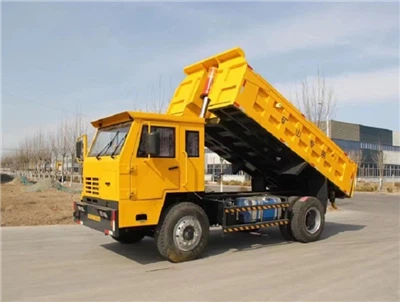
When it comes to mine service trucks, one safety feature that often goes unnoticed but is of utmost importance is the seat belt. As a leading supplier of mine service trucks, I've had the privilege of witnessing firsthand the evolution of seat belts in these specialized vehicles. In this blog post, I'll delve into what the seat belts in a mine service truck are like, their features, and why they are crucial for the safety of operators.
The Importance of Seat Belts in Mine Service Trucks
Mining operations are inherently dangerous, with trucks navigating rough terrains, steep slopes, and unpredictable conditions. Seat belts serve as the first line of defense for operators, preventing them from being ejected from the vehicle in the event of a collision, rollover, or sudden stop. According to the National Institute for Occupational Safety and Health (NIOSH), wearing a seat belt can significantly reduce the risk of serious injury or death in a vehicle accident.
In a mine service truck, the seat belt is not just a regulatory requirement; it's a vital safety component that can save lives. Operators are exposed to a variety of hazards, including falling rocks, equipment malfunctions, and other vehicles on the mine site. A properly functioning seat belt can keep the operator securely in place, minimizing the impact of these hazards and allowing them to maintain control of the vehicle.
Features of Seat Belts in Mine Service Trucks
Seat belts in mine service trucks are designed to meet the unique demands of the mining environment. They are typically made of high-strength materials that can withstand the rigors of daily use and provide reliable protection in extreme conditions. Here are some of the key features of seat belts in mine service trucks:
1. Three-Point Design
Most mine service trucks are equipped with three-point seat belts, which consist of a lap belt and a shoulder belt. This design provides better restraint and support than a two-point lap belt, as it distributes the force of a collision across the stronger parts of the body, such as the hips and shoulders. The three-point seat belt also helps to prevent the operator from sliding forward or being ejected from the vehicle in the event of a crash.
2. Adjustable Length
Seat belts in mine service trucks are adjustable to accommodate operators of different sizes and body types. This ensures a proper fit and maximum comfort, allowing the operator to focus on the task at hand without being distracted by a loose or tight seat belt. The adjustable length feature also allows for easy installation and removal of the seat belt, making it convenient for operators to get in and out of the vehicle.
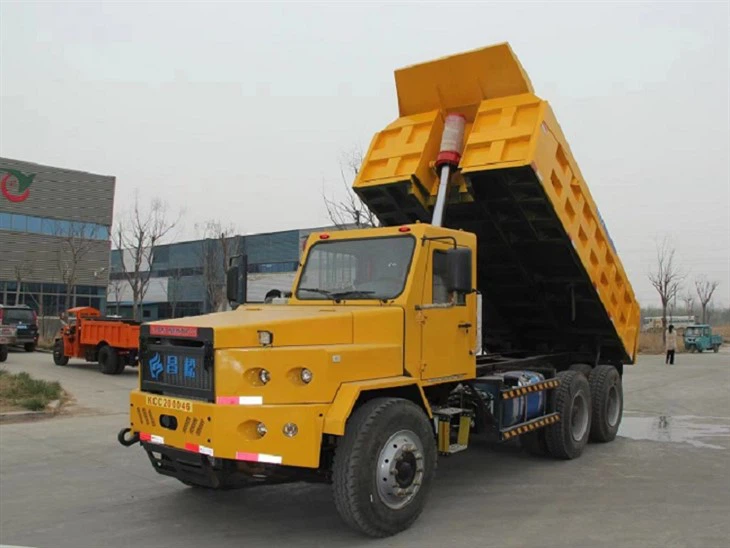

3. Pretensioners
Many modern mine service trucks are equipped with pretensioners, which are devices that automatically tighten the seat belt in the event of a collision. Pretensioners work by sensing the sudden deceleration of the vehicle and activating a mechanism that pulls the seat belt tight, eliminating any slack and securing the operator in place. This feature can significantly reduce the risk of injury by minimizing the forward movement of the operator during a crash.
4. Load Limiters
Load limiters are another important feature of seat belts in mine service trucks. These devices are designed to reduce the force of the seat belt on the operator's body during a collision. Load limiters work by allowing the seat belt to stretch slightly under high loads, which helps to absorb the energy of the impact and reduce the risk of injury to the operator. This feature is particularly important in mine service trucks, which are often exposed to high-impact collisions and sudden stops.
5. Durable Construction
Seat belts in mine service trucks are built to last. They are made of high-quality materials, such as nylon or polyester, that are resistant to wear, tear, and abrasion. The seat belt webbing is also treated to prevent fading, cracking, and fraying, ensuring that it remains in good condition even after years of use. In addition, the seat belt hardware, such as the buckles and retractors, is made of strong and durable materials that can withstand the harsh conditions of the mining environment.
Maintenance and Inspection of Seat Belts in Mine Service Trucks
Proper maintenance and inspection of seat belts in mine service trucks are essential to ensure their continued effectiveness and reliability. Here are some tips on how to maintain and inspect seat belts in mine service trucks:
1. Regular Cleaning
Seat belts should be cleaned regularly to remove dirt, dust, and debris that can accumulate over time. Use a mild detergent and warm water to clean the seat belt webbing, and avoid using harsh chemicals or abrasive cleaners that can damage the material. After cleaning, allow the seat belt to dry completely before reinstalling it in the vehicle.
2. Visual Inspection
Perform a visual inspection of the seat belt before each use to check for any signs of damage or wear. Look for frayed or torn webbing, loose or damaged hardware, and any other signs of deterioration. If you notice any problems with the seat belt, do not use the vehicle and have the seat belt repaired or replaced immediately.
3. Function Testing
In addition to visual inspection, it's also important to test the functionality of the seat belt regularly. Check that the seat belt retracts and extends smoothly, and that the buckle latches and releases properly. If you experience any problems with the seat belt's functionality, have it inspected and repaired by a qualified technician.
4. Replacement
Seat belts have a limited lifespan and should be replaced periodically, even if they appear to be in good condition. The frequency of seat belt replacement depends on a variety of factors, such as the age of the vehicle, the amount of use, and the operating conditions. As a general rule, seat belts should be replaced every 5 to 10 years, or sooner if they have been involved in a collision or have been exposed to extreme conditions.
Conclusion
Seat belts are a critical safety feature in mine service trucks. They provide essential protection for operators, reducing the risk of serious injury or death in the event of a collision or sudden stop. As a supplier of mine service trucks, I'm committed to providing our customers with high-quality seat belts that meet the highest safety standards. Our seat belts are designed to withstand the rigors of the mining environment and provide reliable protection in all conditions.
If you're in the market for a mine service truck or need to replace the seat belts in your existing vehicle, I encourage you to [Contact us] for more information. Our team of experts can help you choose the right seat belt for your needs and ensure that it is installed and maintained properly. Together, we can make mining operations safer for everyone.
References
- National Institute for Occupational Safety and Health (NIOSH). (2023). Seat Belt Use in Mining Vehicles. Retrieved from [NIOSH Website]
- Mine Safety and Health Administration (MSHA). (2023). Safety Standards for Mine Vehicles. Retrieved from [MSHA Website]
- Society of Automotive Engineers (SAE). (2023). Seat Belt Standards for Commercial Vehicles. Retrieved from [SAE Website]