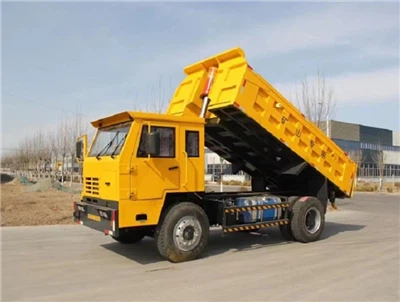
The air intake system in an underground loader's engine is a critical component that plays a vital role in the overall performance, efficiency, and durability of the machine. As a leading supplier of underground loaders, we understand the significance of a well - designed air intake system and its impact on the operation of these heavy - duty vehicles.
Function of the Air Intake System
The primary function of the air intake system in an underground loader's engine is to supply clean, fresh air to the engine cylinders. In a combustion engine, air is a crucial ingredient for the combustion process. When fuel is injected into the cylinders, it needs to mix with air in the right proportion to burn efficiently. The air intake system ensures that the engine gets the appropriate amount of air at the correct pressure and temperature.
In an underground mining environment, the air is often filled with dust, dirt, and other contaminants. The air intake system is equipped with filters to remove these particles before the air reaches the engine. A high - quality air filter can trap a large percentage of these contaminants, preventing them from entering the engine and causing damage to internal components such as pistons, cylinders, and valves.
Components of the Air Intake System
Air Filter
The air filter is the first line of defense in the air intake system. It is typically made of a porous material, such as paper or synthetic fibers, that allows air to pass through while capturing dust and debris. In underground loaders, the air filter needs to be highly efficient due to the harsh mining environment. Some advanced air filters use multi - stage filtration technology, which can remove even the smallest particles. Regular maintenance of the air filter, including inspection and replacement, is essential to ensure optimal engine performance.
Intake Ducting
The intake ducting is responsible for guiding the air from the outside environment to the air filter and then to the engine. It is designed to minimize air resistance and ensure a smooth flow of air. The shape and diameter of the intake ducts are carefully engineered to optimize the air intake rate. In some underground loaders, the intake ducts are insulated to prevent heat transfer from the engine compartment, which can affect the density of the incoming air.
Turbocharger (Optional)
Some underground loader engines are equipped with turbochargers. A turbocharger is a forced - induction device that compresses the incoming air, increasing its density. This allows more air to enter the engine cylinders, which in turn allows for more fuel to be burned and increases the engine's power output. Turbochargers are especially useful in high - altitude or low - oxygen underground mining environments. The turbocharger is driven by the engine's exhaust gases, which spin a turbine that is connected to a compressor.
Mass Air Flow Sensor
The mass air flow sensor measures the amount of air entering the engine. This information is sent to the engine control unit (ECU), which then adjusts the fuel injection rate accordingly. By precisely controlling the air - to - fuel ratio, the mass air flow sensor helps to improve engine efficiency, reduce emissions, and enhance overall performance.
Importance of a Well - Designed Air Intake System in Underground Loaders
Engine Performance
A well - designed air intake system ensures that the engine receives a sufficient supply of clean air. This allows for more efficient combustion, resulting in increased power output, better acceleration, and smoother operation. In an underground mining environment, where the loader needs to perform heavy - duty tasks such as loading and transporting large amounts of ore, a high - performing engine is essential.
Engine Durability
By removing contaminants from the incoming air, the air intake system protects the engine from wear and tear. Dust and dirt particles can cause abrasion on engine components, leading to premature failure. A reliable air intake system can significantly extend the lifespan of the engine, reducing maintenance costs and downtime.
Fuel Efficiency
An efficient air intake system helps to optimize the air - to - fuel ratio, which is crucial for fuel efficiency. When the engine receives the right amount of air, the fuel burns more completely, reducing fuel consumption. In underground mining operations, where fuel costs can be a significant expense, improving fuel efficiency can lead to substantial savings.
Our Company's Approach to Air Intake Systems
As a supplier of underground loaders, we take great pride in the design and quality of our air intake systems. Our engineering team uses the latest technologies and materials to develop air intake systems that are highly efficient, reliable, and durable.
We conduct extensive testing on our air intake systems in real - world underground mining conditions. This allows us to identify any potential issues and make necessary improvements. Our air filters are designed to have a long service life and high filtration efficiency, reducing the frequency of filter replacements.


In addition, we offer comprehensive after - sales support for our air intake systems. Our technicians are trained to provide maintenance and repair services, ensuring that our customers' underground loaders operate at peak performance at all times.
Related Products in Our Portfolio
We also offer a range of other products related to underground mining transportation. If you are interested in other types of vehicles, you can check out our Underground Mining Explosion - proof Vehicle, Autonomous Dump Trucks, and Articulated Dump Truck. These products are designed to meet the diverse needs of underground mining operations.
Contact Us for Purchase and Negotiation
If you are in the market for an underground loader or have any questions about our air intake systems or other products, we encourage you to contact us. Our sales team is ready to provide you with detailed information, answer your queries, and assist you in the purchasing process. We believe that our high - quality products and excellent customer service will meet your expectations and contribute to the success of your underground mining operations.
References
- Heywood, J. B. (1988). Internal Combustion Engine Fundamentals. McGraw - Hill.
- Crolla, D. A. (2001). Vehicle Dynamics: Theory and Application. Society of Automotive Engineers.
- Stone, R. (1999). Introduction to Internal Combustion Engines. Butterworth - Heinemann.