As a supplier of Explosion-proof Loaders, I am often asked about the anti-corrosion performance of these essential machines. In the harsh environments where explosion-proof loaders operate, such as coal mines, chemical plants, and oil refineries, corrosion is a significant concern that can affect the loader's performance, reliability, and lifespan. In this blog post, I will delve into the anti-corrosion performance of explosion-proof loaders, exploring the factors that contribute to corrosion, the measures taken to prevent it, and the importance of maintaining anti-corrosion protection.
Factors Contributing to Corrosion in Explosion-proof Loaders
Corrosion is a natural process that occurs when metal reacts with its environment, leading to the deterioration of the metal's structure. In the case of explosion-proof loaders, several factors can contribute to corrosion:
-
Harsh Chemical Environments: Explosion-proof loaders often operate in environments where they are exposed to various chemicals, such as acids, alkalis, and salts. These chemicals can react with the metal components of the loader, causing corrosion. For example, in coal mines, loaders may come into contact with coal dust, which can contain sulfur compounds that can react with moisture in the air to form sulfuric acid, a highly corrosive substance.
-
High Humidity and Moisture: Moisture is a key factor in the corrosion process. In environments with high humidity or where the loader is exposed to water, such as in underground mines or during rainy seasons, the metal components of the loader are more likely to corrode. Water can act as an electrolyte, facilitating the flow of electrons between different metals and accelerating the corrosion process.
-
Abrasion and Wear: The operation of explosion-proof loaders involves constant movement and interaction with various materials, which can cause abrasion and wear on the metal surfaces. Abrasion can remove the protective coatings on the metal, exposing it to the environment and making it more susceptible to corrosion. Additionally, the friction generated during operation can generate heat, which can also contribute to the corrosion process.
-
Poor Maintenance: Lack of proper maintenance can also contribute to corrosion in explosion-proof loaders. If the loader is not cleaned regularly, dirt, dust, and other contaminants can accumulate on the metal surfaces, providing a breeding ground for corrosion. Similarly, if the protective coatings on the metal are not inspected and repaired regularly, they can become damaged, allowing corrosion to occur.
Measures Taken to Prevent Corrosion in Explosion-proof Loaders
To ensure the anti-corrosion performance of explosion-proof loaders, several measures are taken during the manufacturing and maintenance processes:
-
Material Selection: The choice of materials is crucial in preventing corrosion. High-quality, corrosion-resistant metals, such as stainless steel and aluminum alloys, are often used in the construction of explosion-proof loaders. These materials have inherent resistance to corrosion and can withstand the harsh environments in which the loaders operate.
-
Surface Treatment: Surface treatment is another important measure in preventing corrosion. Protective coatings, such as paint, powder coating, and galvanizing, are applied to the metal surfaces of the loader to provide a barrier between the metal and the environment. These coatings can prevent moisture, chemicals, and other contaminants from coming into contact with the metal, reducing the risk of corrosion.
-
Sealing and Gasketing: To prevent moisture and chemicals from entering the loader's components, proper sealing and gasketing are used. Seals and gaskets are installed around doors, windows, and other openings to create a watertight and airtight seal. This helps to keep the interior of the loader dry and protected from the environment.
-
Corrosion Inhibitors: Corrosion inhibitors are chemicals that can be added to the loader's lubricants, coolants, and other fluids to prevent corrosion. These inhibitors work by forming a protective film on the metal surfaces, preventing the formation of rust and other corrosion products.
-
Regular Maintenance and Inspection: Regular maintenance and inspection are essential in ensuring the anti-corrosion performance of explosion-proof loaders. The loader should be cleaned regularly to remove dirt, dust, and other contaminants. The protective coatings should be inspected regularly for damage and repaired as needed. Additionally, the loader's fluids should be checked and changed regularly to ensure that they contain the appropriate corrosion inhibitors.
Importance of Maintaining Anti-corrosion Protection
Maintaining the anti-corrosion protection of explosion-proof loaders is crucial for several reasons:
-
Safety: Corrosion can weaken the structural integrity of the loader, increasing the risk of accidents and failures. By maintaining the anti-corrosion protection, the loader's safety can be ensured, protecting the operators and other personnel working in the vicinity.
-
Reliability: Corrosion can cause components to malfunction or fail, leading to downtime and costly repairs. By preventing corrosion, the loader's reliability can be improved, reducing the risk of breakdowns and ensuring continuous operation.
-
Lifespan: Corrosion can significantly reduce the lifespan of explosion-proof loaders. By maintaining the anti-corrosion protection, the loader's lifespan can be extended, reducing the need for frequent replacements and saving costs in the long run.
-
Performance: Corrosion can affect the performance of the loader, reducing its efficiency and productivity. By preventing corrosion, the loader can operate at its optimal performance, ensuring maximum productivity and profitability.
Conclusion
In conclusion, the anti-corrosion performance of explosion-proof loaders is a critical factor in their operation and longevity. By understanding the factors that contribute to corrosion, taking appropriate measures to prevent it, and maintaining the anti-corrosion protection, the safety, reliability, lifespan, and performance of explosion-proof loaders can be ensured.
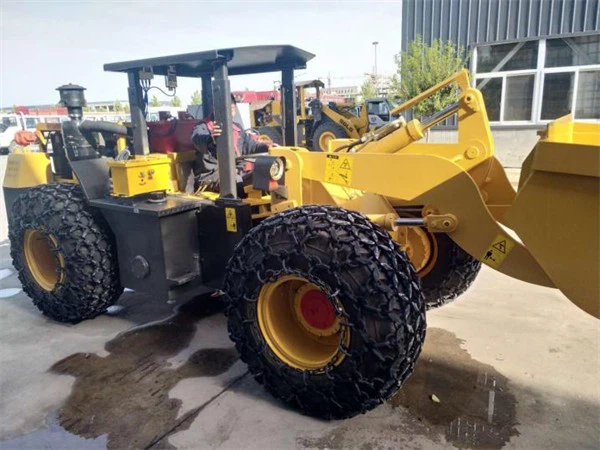

If you are interested in learning more about our Explosion-proof Loader or our other products, such as Trackless Rubber Wheel Vehicle and Coal Mining Wheel Loader, please feel free to contact us for more information and to discuss your specific requirements. We are committed to providing high-quality products and excellent customer service to meet your needs.
References
- ASM Handbook Volume 13A: Corrosion: Fundamentals, Testing, and Protection. ASM International.
- Corrosion Prevention and Control in the Oil and Gas Industry. NACE International.
- Maintenance and Repair of Mining Equipment. Society for Mining, Metallurgy & Exploration.