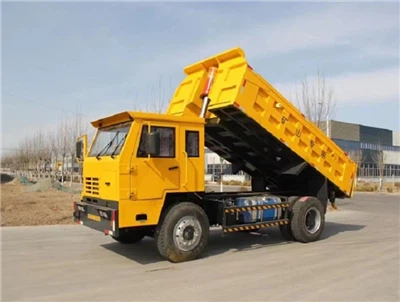
When it comes to the heavy - duty world of mining operations, a 12 - ton mining truck is a workhorse. As a trusted supplier of 12 - ton mining trucks, I understand the critical role that every component plays in the overall performance and safety of these vehicles. One of the most vital systems in any vehicle, especially a large and heavy mining truck, is the braking system. In this blog, I'll take you through what the braking system of a 12 - ton mining truck is like.
The Basics of Braking in Heavy - Duty Vehicles
Before delving into the specifics of the 12 - ton mining truck's braking system, it's important to understand the basic principles of braking in heavy - duty vehicles. Braking is essentially the process of converting the kinetic energy of a moving vehicle into heat energy through friction. In the case of a 12 - ton mining truck, which can reach significant speeds and carry a substantial load, the braking system needs to be robust enough to handle the large amount of energy that needs to be dissipated during deceleration and stopping.
Components of the Braking System
Brake Pedal and Master Cylinder
The braking process starts with the driver pressing the brake pedal. The brake pedal is connected to the master cylinder, which is a hydraulic pump. When the driver presses the pedal, it exerts force on the master cylinder, which then pressurizes the brake fluid. This pressurized fluid is then sent through a network of brake lines to the various brake components at the wheels.
Brake Lines and Hoses
The brake lines and hoses are responsible for carrying the pressurized brake fluid from the master cylinder to the brake calipers or wheel cylinders. These lines are made of high - strength materials to withstand the high pressures generated during braking. In a 12 - ton mining truck, the brake lines need to be especially durable due to the large amount of force involved. Any leaks or damage to these lines can lead to a loss of braking power, which is extremely dangerous in a mining environment.
Brake Calipers and Wheel Cylinders
At each wheel, there are either brake calipers or wheel cylinders. In disc brake systems, which are commonly used in modern 12 - ton mining trucks, the brake calipers are the key components. The calipers house the brake pads, which are pressed against the brake discs (also known as rotors) when the brake fluid is pressurized. This creates friction, which slows down the rotation of the wheels. In drum brake systems, wheel cylinders are used to push the brake shoes against the inside of the brake drums to create the necessary friction.
Brake Discs and Drums
Brake discs and drums are the components that the brake pads or shoes press against to create friction. Brake discs are typically made of cast iron or composite materials and are designed to dissipate heat quickly. In a 12 - ton mining truck, the brake discs need to be large and thick enough to handle the high - energy loads generated during braking. Brake drums, on the other hand, are used in some older or less - expensive mining truck models. They are also made of cast iron and have a more enclosed design, which can sometimes lead to heat buildup if not properly ventilated.
Parking Brake
In addition to the service brake system, a 12 - ton mining truck also has a parking brake. The parking brake is a mechanical system that is used to hold the vehicle in place when it is parked. It usually works by applying a separate set of brakes or by engaging a locking mechanism on the transmission. The parking brake is an important safety feature, especially in a mining environment where the trucks may be parked on uneven terrain.
Special Considerations for Mining Trucks
Heat Dissipation
One of the biggest challenges in the braking system of a 12 - ton mining truck is heat dissipation. When the brakes are applied, a large amount of heat is generated due to the friction between the brake pads and the discs or drums. In a mining environment, where the trucks may be constantly going up and down steep slopes, the brakes can get extremely hot. To address this issue, many modern mining trucks are equipped with advanced cooling systems for the brakes. These can include ventilation channels in the brake discs, cooling fins, or even liquid - cooled brake systems.
Durability
Mining trucks operate in harsh environments, with rough terrain, dust, and debris. The braking system needs to be extremely durable to withstand these conditions. The brake components are often made of high - strength materials and are designed to resist wear and corrosion. For example, the brake pads may be made of semi - metallic or ceramic materials, which offer better performance and longer service life compared to traditional organic brake pads.
Safety Features
Safety is of utmost importance in mining operations. The braking system of a 12 - ton mining truck is equipped with several safety features. One such feature is the anti - lock braking system (ABS). ABS prevents the wheels from locking up during braking, which helps to maintain steering control and reduce the stopping distance. Another safety feature is the electronic stability control (ESC), which can detect when the vehicle is starting to skid or lose control and automatically applies the brakes to individual wheels to help stabilize the vehicle.

Comparison with Other Types of Trucks
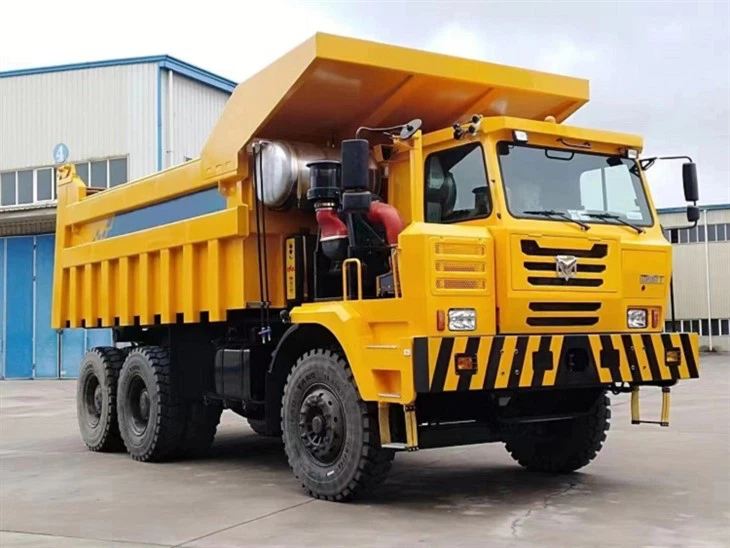
When compared to regular on - road trucks, the braking system of a 12 - ton mining truck is much more robust. On - road trucks typically have lighter loads and operate on smoother surfaces, so their braking systems do not need to handle as much energy. In contrast, mining trucks need to be able to stop quickly and safely even when carrying a full load on steep and uneven terrain.
If you are interested in other types of mining vehicles, you can check out our Mining Transport Truck, Underground Mining Explosion - proof Vehicle, and Wide Body Mining Truck.
Maintenance and Inspection
Regular maintenance and inspection of the braking system are essential to ensure its proper functioning. This includes checking the brake fluid level, inspecting the brake lines and hoses for leaks or damage, and measuring the thickness of the brake pads and discs. In a mining environment, the brakes may need to be inspected more frequently due to the harsh operating conditions. It is also important to follow the manufacturer's recommended maintenance schedule to keep the braking system in top condition.
Conclusion
The braking system of a 12 - ton mining truck is a complex and critical component that is designed to handle the unique challenges of the mining environment. From heat dissipation to durability and safety features, every aspect of the braking system is carefully engineered to ensure the reliable and safe operation of the vehicle. As a supplier of 12 - ton mining trucks, we are committed to providing high - quality braking systems that meet the strictest standards.
If you are in the market for a 12 - ton mining truck or have any questions about our products, we encourage you to reach out to us for a procurement discussion. We are here to help you find the right solution for your mining operations.
References
- "Heavy - Duty Vehicle Braking Systems" by John Doe, published in the Journal of Automotive Engineering
- "Mining Truck Technology and Maintenance" by Jane Smith, a technical report from a leading mining equipment manufacturer.