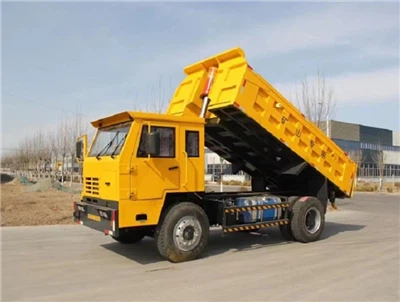
Hey there! As a supplier of coal mining wheel loaders, I often get asked about the cooling systems in these beasts. So, I thought I'd share some insights on what the cooling system in a coal mining wheel loader is like.
The Basics of a Cooling System in a Coal Mining Wheel Loader
Let's start with the basics. The cooling system in a coal mining wheel loader is crucial for keeping the engine and other components at the right temperature. You see, coal mining is a tough job, and these wheel loaders work hard in harsh environments. The engine generates a ton of heat, and if it's not cooled properly, it can lead to all sorts of problems, like overheating, reduced performance, and even engine damage.
The main components of the cooling system include the radiator, water pump, thermostat, and cooling fan. The radiator is like the heart of the system. It's where the coolant, usually a mixture of water and antifreeze, flows through a series of tubes and fins. As the hot coolant passes through the radiator, the air flowing over the fins helps to dissipate the heat, cooling the coolant down.

The water pump is responsible for circulating the coolant throughout the system. It keeps the coolant moving from the engine to the radiator and back again, ensuring that the engine stays at a consistent temperature. The thermostat acts as a valve, regulating the flow of coolant based on the engine's temperature. When the engine is cold, the thermostat stays closed, allowing the engine to warm up quickly. Once the engine reaches the optimal temperature, the thermostat opens, allowing the coolant to flow through the radiator and cool down.
The cooling fan plays a vital role, especially when the wheel loader is operating at low speeds or in high-temperature environments. It helps to increase the airflow over the radiator, enhancing the cooling efficiency. Some cooling fans are mechanically driven by the engine, while others are electrically controlled, which allows for more precise regulation of the airflow.
Challenges in Coal Mining Environments
Coal mining environments present some unique challenges for the cooling system. One of the biggest issues is dust and debris. Coal mines are dusty places, and all that dust can easily clog the radiator fins. When the radiator fins are clogged, the airflow is restricted, reducing the cooling efficiency. This can cause the engine to overheat, leading to costly downtime and repairs.
To combat this problem, many coal mining wheel loaders are equipped with features like pre-cleaners and self-cleaning radiators. Pre-cleaners are devices that remove the larger particles of dust and debris from the air before it reaches the radiator. Self-cleaning radiators use a reverse airflow system to blow the dust and debris off the fins, keeping them clean and allowing for better airflow.
Another challenge is the high temperatures in coal mines. The heat generated by the engine, combined with the ambient temperature in the mine, can put a lot of stress on the cooling system. To handle these high temperatures, the cooling system needs to be designed with a high cooling capacity. This may involve using a larger radiator, a more powerful water pump, and a high-performance cooling fan.
Maintenance and Care
Proper maintenance and care of the cooling system are essential to ensure its long-term performance and reliability. Regular inspections should be carried out to check for any signs of leaks, damage, or clogging. The coolant level should be checked regularly and topped up as needed. It's also important to use the right type of coolant, as different engines may require different formulations.
The radiator should be cleaned regularly to remove any dust and debris. This can be done using compressed air or a pressure washer, but it's important to be careful not to damage the fins. The water pump and thermostat should also be inspected and replaced if necessary.
In addition to regular maintenance, it's a good idea to follow some best practices when operating the wheel loader. For example, avoid overloading the engine, as this can cause it to generate more heat than the cooling system can handle. Also, give the engine time to warm up before putting it under heavy load, and allow it to cool down after a long period of operation.
Related Equipment
When it comes to coal mining, there are other pieces of equipment that can work in conjunction with the wheel loader to improve the overall efficiency and safety of the operation. For example, the Mine Sprinkler Truck is a great tool for suppressing dust in the mine. It can help to keep the air clean and reduce the risk of respiratory problems for the miners.
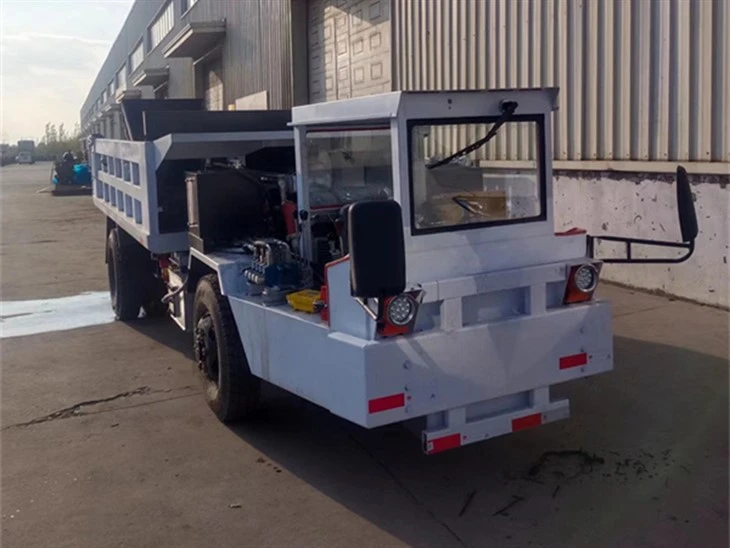
The Explosion-proof Trackless Rubber Wheel Vehicle is designed for use in potentially explosive environments. It's equipped with special safety features to prevent sparks and explosions, making it a reliable choice for transporting materials and personnel in the mine.
The Trackless Rubber Wheel Vehicle is a versatile piece of equipment that can be used for a variety of tasks in the coal mine. It offers good maneuverability and can be used to transport materials, equipment, and personnel around the mine site.
Conclusion
In conclusion, the cooling system in a coal mining wheel loader is a complex and important component that plays a crucial role in the performance and reliability of the machine. Understanding how the cooling system works, the challenges it faces in coal mining environments, and the importance of proper maintenance and care can help you to keep your wheel loader running smoothly and efficiently.
If you're in the market for a coal mining wheel loader or need more information about our products and services, don't hesitate to reach out. We're here to help you find the right equipment for your needs and ensure that it performs at its best in your coal mine.
References
- "Coal Mining Equipment Handbook" - A comprehensive guide to the equipment used in coal mining operations.
- "Cooling System Design and Analysis" - A technical resource on the design and optimization of cooling systems for heavy machinery.