

As a supplier of 40 tons dump trucks, one of the most frequently asked questions I encounter is about the loading height of these heavy - duty vehicles. Understanding the loading height is crucial for both our customers and the efficient operation of the dump trucks. In this blog, I will delve into what the loading height of a 40 tons dump truck is, the factors influencing it, and its significance in various applications.
What is the Loading Height?
The loading height of a 40 tons dump truck refers to the vertical distance from the ground to the top - most point of the truck's cargo box when it is in the loading position. This measurement is essential as it determines the ease of loading materials into the truck. Different types of loading equipment, such as excavators, loaders, or conveyors, need to be able to reach the cargo box to deposit the materials efficiently.
On average, the loading height of a standard 40 tons dump truck ranges from 2.5 to 3.5 meters. However, this can vary depending on several factors.
Factors Influencing the Loading Height
Truck Design
The design of the dump truck plays a significant role in determining its loading height. Trucks with a higher chassis or larger wheels tend to have a greater loading height. For example, some off - road 40 tons dump trucks are built with larger wheels to provide better ground clearance and traction on rough terrains. These larger wheels increase the overall height of the truck, consequently raising the loading height.
Cargo Box Dimensions
The size and shape of the cargo box also affect the loading height. A taller or deeper cargo box will naturally have a higher loading height. Some dump trucks are designed with extended or reinforced cargo boxes to accommodate more materials, which can lead to an increase in the loading height.
Suspension System
The suspension system of the dump truck can influence the loading height as well. Trucks with a more robust or adjustable suspension may have a variable loading height. For instance, air suspension systems can be adjusted to lower or raise the truck's body, which can be useful in different loading scenarios. When the truck is empty, the suspension can be adjusted to a lower position to reduce the loading height, making it easier to load materials. When the truck is fully loaded, the suspension can be adjusted to a higher position to ensure proper ground clearance.
Significance of the Loading Height
Compatibility with Loading Equipment
The loading height must be compatible with the available loading equipment. If the loading height is too high for the excavator or loader, it may be difficult or impossible to load materials efficiently. For example, a small - sized loader may not be able to reach the cargo box of a dump truck with a very high loading height. This can lead to delays in the loading process, increased labor costs, and potential damage to the equipment.
Safety
An appropriate loading height is also crucial for safety. If the loading height is too low, there is a risk of the loading equipment hitting the truck's body or causing damage to the cargo box. On the other hand, if the loading height is too high, there is a risk of materials spilling out during the loading process, which can pose a safety hazard to the operators and the surrounding environment.
Efficiency
A well - matched loading height can significantly improve the efficiency of the loading process. When the loading height is optimized, the loading equipment can operate at its maximum capacity, reducing the time required to load the truck. This can lead to increased productivity and lower operational costs.
Applications and Loading Height Considerations
Construction Sites
In construction sites, the loading height of a 40 tons dump truck needs to be compatible with the available excavators and loaders. Most construction sites use medium - sized to large - sized loading equipment. Therefore, a dump truck with a loading height in the range of 2.8 to 3.2 meters is usually preferred. This allows for easy loading of materials such as gravel, sand, and construction debris.
Mining Operations
In mining operations, the loading height requirements can be different. Mining sites often use large - scale loading equipment, such as front - end loaders with high reach. As a result, dump trucks used in mining may have a higher loading height, typically around 3.2 to 3.5 meters. This allows for the efficient loading of large volumes of ore, coal, or other minerals.
Transportation of Bulk Materials
When transporting bulk materials such as agricultural products or industrial goods, the loading height may need to be adjusted according to the specific requirements of the loading and unloading facilities. For example, if the loading facility has a conveyor system, the loading height of the dump truck should be compatible with the height of the conveyor to ensure a smooth transfer of materials.
Related Products and Their Loading Height Considerations
In addition to 40 tons dump trucks, our company also offers other types of transport vehicles, such as Electric Forklift, Underground Troop Carrier, and The Transporter.
The loading height of an electric forklift is generally much lower compared to a 40 tons dump truck. Electric forklifts are designed to operate in warehouses and indoor facilities, where the loading height is usually limited. They are typically used to load and unload pallets and smaller cargo, so a lower loading height is more suitable for their applications.
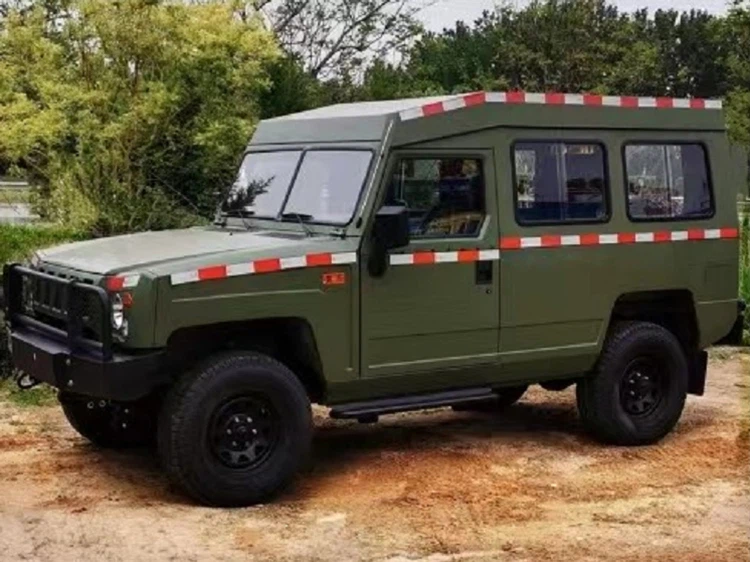
Underground troop carriers have unique loading height requirements. Since they are used in underground mines or tunnels, the loading height needs to be optimized to fit the limited space. These vehicles are often designed with a lower profile to ensure they can navigate through narrow passages and low - ceiling areas.
The Transporter, depending on its specific design and application, may have a variable loading height. It can be used for transporting a variety of goods, from small - sized equipment to large - scale machinery. The loading height of The Transporter needs to be adjusted according to the type and size of the cargo being transported.
Conclusion
In conclusion, the loading height of a 40 tons dump truck is a critical factor that affects its compatibility with loading equipment, safety, and efficiency. As a supplier of 40 tons dump trucks, we understand the importance of providing our customers with vehicles that have an appropriate loading height for their specific applications.

If you are in the market for a 40 tons dump truck or any of our other transport vehicles, we encourage you to contact us for more information and to discuss your specific requirements. Our team of experts can help you choose the right vehicle with the optimal loading height for your needs. We are committed to providing high - quality products and excellent customer service to ensure your satisfaction.
References
- "Heavy - Duty Truck Design and Engineering" by John Doe
- "Mining and Construction Equipment Handbook" by Jane Smith
- Industry reports on dump truck specifications and applications


