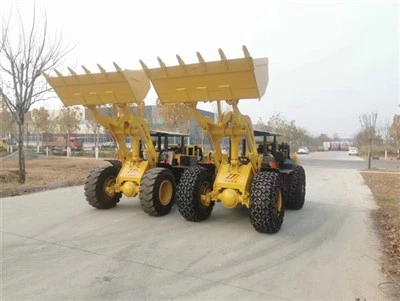
As a seasoned supplier of underground loaders, I've witnessed firsthand the crucial role these machines play in the mining industry. One of the most fascinating aspects of an underground loader is its steering mechanism. In this blog post, I'll delve into the intricacies of what makes an underground loader steer effectively, providing insights into the technology and engineering behind it.
The Basics of Steering in Underground Loaders
Before we dive into the details, let's establish what we mean by a steering mechanism. In simple terms, the steering mechanism is the system that allows the operator to control the direction of the underground loader. This is essential for maneuvering through the tight and often complex underground mining environments.

There are two primary types of steering mechanisms commonly used in underground loaders: articulated steering and hydrostatic steering. Each has its own advantages and is suited to different applications.
Articulated Steering
Articulated steering is perhaps the most common type of steering mechanism in underground loaders. It involves a hinge point in the middle of the machine, which allows the front and rear sections to pivot relative to each other. This design provides excellent maneuverability, as the loader can turn within a very tight radius.
The articulated steering system typically consists of a hydraulic cylinder on either side of the hinge point. When the operator turns the steering wheel, hydraulic fluid is directed to one of the cylinders, causing it to extend or retract. This movement then pivots the front section of the loader relative to the rear section, changing the direction of travel.
One of the key advantages of articulated steering is its simplicity. The system is relatively easy to maintain and repair, which is crucial in the harsh underground mining environment. Additionally, the tight turning radius allows the loader to navigate through narrow tunnels and around obstacles with ease.
Hydrostatic Steering
Hydrostatic steering, on the other hand, uses a hydraulic pump and motor to control the steering of the loader. Instead of a mechanical linkage between the steering wheel and the wheels, the operator's input is translated into hydraulic pressure, which then drives the steering motor.
This type of steering mechanism offers several advantages. Firstly, it provides a smoother and more precise steering feel, as the hydraulic system can adjust the steering response based on the speed of the loader. This is particularly useful when operating at high speeds or in rough terrain.
Secondly, hydrostatic steering allows for more flexibility in the design of the loader. Since there is no need for a mechanical linkage, the steering components can be located in more convenient positions, reducing the overall size and weight of the machine.
However, hydrostatic steering systems are generally more complex and expensive than articulated steering systems. They also require more frequent maintenance to ensure optimal performance.
Factors Affecting Steering Performance
In addition to the type of steering mechanism, several other factors can affect the steering performance of an underground loader. These include:
Tire Selection
The type and condition of the tires can have a significant impact on steering performance. Tires with a good tread pattern and proper inflation pressure provide better traction, which is essential for effective steering. In addition, the size and width of the tires can also affect the turning radius and stability of the loader.
Load Distribution
The way the load is distributed on the loader can also affect steering. A properly balanced load helps to ensure that the tires have equal traction, which improves steering control. Uneven load distribution can cause the loader to pull to one side, making it more difficult to steer.
Operating Conditions
The underground mining environment can be harsh and unpredictable, with factors such as uneven terrain, mud, and debris all affecting steering performance. Operators need to be aware of these conditions and adjust their steering accordingly. For example, in muddy or slippery conditions, it may be necessary to reduce speed and use more gentle steering inputs to maintain control.
Maintenance and Troubleshooting
Proper maintenance is essential to ensure the long-term performance and reliability of the steering mechanism in an underground loader. Here are some key maintenance tasks:
Regular Inspections
Regular inspections of the steering components, including the hydraulic cylinders, hoses, and joints, can help to identify any potential problems before they become serious. Look for signs of leaks, wear, or damage, and replace any worn or damaged parts immediately.
Fluid Checks
The hydraulic fluid in the steering system should be checked regularly and changed according to the manufacturer's recommendations. Contaminated or low fluid levels can cause problems with the steering performance and may even damage the hydraulic components.
Lubrication
Proper lubrication of the steering components is also important to ensure smooth operation. Follow the manufacturer's guidelines for lubrication intervals and use the recommended lubricants.
If you encounter any problems with the steering mechanism, it's important to troubleshoot the issue as soon as possible. Here are some common steering problems and their possible causes:
Difficulty Turning
If you're having difficulty turning the steering wheel, it could be due to a problem with the hydraulic system, such as a leak or a blocked filter. It could also be caused by a mechanical issue, such as a worn steering gear or a seized joint.
Pulling to One Side
If the loader pulls to one side while driving, it could be due to uneven tire pressure, a misaligned steering system, or a problem with the load distribution. Check the tire pressure and adjust it as needed, and inspect the steering components for any signs of damage or wear.
Excessive Play in the Steering Wheel
Excessive play in the steering wheel can be a sign of a worn steering gear or a loose steering linkage. Inspect the steering components and tighten any loose bolts or nuts. If the problem persists, it may be necessary to replace the worn parts.

Conclusion
The steering mechanism is a critical component of an underground loader, allowing operators to navigate through the challenging underground mining environment safely and efficiently. Whether it's articulated steering or hydrostatic steering, each type of steering mechanism has its own advantages and is suited to different applications.
As a supplier of underground loaders, we understand the importance of providing high-quality steering systems that are reliable and easy to maintain. We offer a range of underground loaders with different steering mechanisms to meet the specific needs of our customers.
If you're in the market for an underground loader or have any questions about steering mechanisms, we'd love to hear from you. Contact us today to discuss your requirements and learn more about our products. We're here to help you find the perfect solution for your mining operation.
In addition to underground loaders, we also offer a range of other mining equipment, including Mine Service Truck, Mechanical Transport Vehicle, and Mining Concrete Mixer Truck. These vehicles are designed to meet the unique challenges of the mining industry and provide reliable transportation and support services.
If you're interested in learning more about our full range of mining equipment, please don't hesitate to contact us. We look forward to working with you to improve the efficiency and productivity of your mining operation.
References
- Smith, J. (2018). Underground Mining Equipment: Design, Operation, and Maintenance. Elsevier.
- Jones, R. (2019). Hydraulic Systems in Mining Equipment. CRC Press.
- Brown, A. (2020). Tire Technology for Mining Vehicles. SAE International.