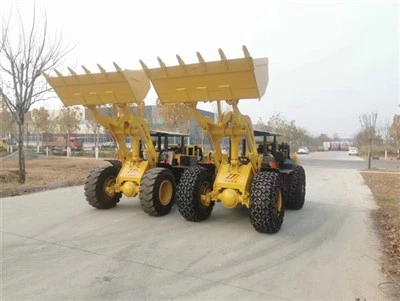
Operating an underground loader is no walk in the park. It requires a unique set of skills and knowledge due to the challenging and often hazardous environment of underground mines. As a supplier of underground loaders, I've seen firsthand the importance of proper training for operators. In this blog, I'll break down the key types of training needed to operate an underground loader safely and efficiently.
Safety Training
Safety is always the top priority in any mining operation, and that's especially true when it comes to operating an underground loader. Underground mines are filled with potential hazards like poor ventilation, low visibility, and unstable ground conditions. So, operators need to be well - versed in safety protocols.
First off, they should undergo general mine safety training. This includes learning about the mine's emergency response plans, such as what to do in case of a fire, a gas leak, or a cave - in. They also need to know how to use personal protective equipment (PPE) correctly. This means understanding the proper fit and use of hard hats, safety glasses, respirators, and steel - toed boots.
Specific to underground loader operation, safety training covers topics like pre - shift inspections. Operators must learn to check the loader's brakes, lights, hydraulic systems, and tires before each shift. A simple pre - shift check can prevent many potential accidents. For example, if the brakes aren't working properly, it could lead to a dangerous situation in the narrow and often steep underground passages.
Another important aspect is learning about traffic rules in the mine. Underground mines have their own traffic patterns and rules to prevent collisions between loaders, 60 Tons Wide Body Dump Truck, and other vehicles. Operators need to know right - of - way rules, speed limits, and how to use signals when maneuvering the loader.
Technical Training
Operating an underground loader requires a good understanding of its technical aspects. These machines are complex pieces of equipment, and operators need to know how to use them effectively.
The basics start with learning how to start, stop, and control the loader. This includes understanding the functions of the pedals, levers, and switches. For example, the hydraulic levers are used to control the bucket's movement, and operators need to be able to manipulate them smoothly to load and unload materials efficiently.
Operators also need to learn about the loader's engine and its maintenance requirements. They should know how to check the oil level, coolant level, and fuel level. Understanding the engine's performance characteristics can help them detect early signs of problems. If the engine is running rough or consuming more fuel than normal, it could indicate a mechanical issue that needs to be addressed.
In addition, technical training covers the loader's electrical system. This includes knowing how to troubleshoot simple electrical problems, such as a blown fuse or a malfunctioning light. Since underground mines rely heavily on proper lighting for safety, being able to fix electrical issues related to lights is crucial.


Maneuvering and Loading Training
One of the main tasks of an underground loader operator is to maneuver the machine in tight spaces and load materials accurately. This requires a lot of practice and skill.
Maneuvering training focuses on teaching operators how to drive the loader in narrow tunnels and around obstacles. They need to learn how to make sharp turns, reverse safely, and park the loader in a confined area. In an underground mine, space is at a premium, and a single misstep can cause damage to the loader or other equipment.
Loading training is all about using the loader's bucket effectively. Operators need to learn how to position the loader correctly in front of the material pile, how to scoop up the right amount of material, and how to dump it into the Three Wheel Mining Truck or other transport vehicles. Overloading or under - loading can cause problems. Overloading can put extra stress on the loader's components and the transport vehicle, while under - loading is inefficient.
Material Handling and Quality Training
Underground loaders are used to handle a variety of materials, from coal and ore to rock and debris. Operators need to understand the characteristics of different materials and how to handle them properly.
For example, some materials may be more abrasive than others, which can cause more wear and tear on the loader's bucket. Operators should know how to adjust their loading techniques to minimize this wear. Also, different materials may require different loading densities. Understanding these requirements can help ensure that the right amount of material is being transported.
Quality training is also important. In some mining operations, the quality of the material being loaded matters. For instance, in a precious metals mine, operators need to be careful not to contaminate the ore with other materials. They should know how to separate different grades of ore and load them into the appropriate transport containers.
Environmental and Sustainability Training
In today's world, environmental and sustainability concerns are becoming increasingly important in the mining industry. Operators of underground loaders should be aware of these issues.
They need to learn about the environmental impact of their operations. This includes understanding how to minimize dust emissions. Dust can be a major problem in underground mines, not only for the health of the operators but also for the surrounding environment. Operators should know how to use dust suppression systems on the loader, such as water sprays.
Sustainability training also covers topics like energy efficiency. Underground loaders consume a significant amount of fuel or electricity. Operators can learn how to operate the loader in a way that reduces energy consumption. For example, they can avoid unnecessary idling and use the loader's engine at the most efficient speed.
Communication and Teamwork Training
Underground mining is a team - based operation, and good communication is essential. Operators of underground loaders need to be able to communicate effectively with other team members, such as miners, truck drivers, and supervisors.
They should learn how to use communication devices, such as two - way radios, to report their location, the status of their loader, and any potential problems. Clear communication can prevent misunderstandings and improve the overall efficiency of the mining operation.
Teamwork training is also crucial. Operators need to work together with other workers in the mine. For example, they need to coordinate with the drivers of Mining Concrete Mixer Truck to ensure that the loaded materials are transported in a timely manner. They also need to support each other in case of an emergency.
Ongoing Training and Refresher Courses
Training doesn't stop after the initial training period. The mining industry is constantly evolving, and new technologies and safety standards are being introduced all the time. Operators need to participate in ongoing training and refresher courses to keep their skills up - to - date.
These courses can cover new features on the loader, such as advanced safety systems or more efficient hydraulic systems. They can also review and reinforce safety protocols and best practices. Regular refresher courses can help prevent complacency and ensure that operators are always operating the loader in the safest and most efficient way possible.
In conclusion, operating an underground loader requires a comprehensive set of training. From safety and technical skills to environmental awareness and teamwork, operators need to be well - rounded. As a supplier of underground loaders, I'm committed to providing support and resources for operators' training. If you're interested in purchasing an underground loader or need more information about the training requirements, don't hesitate to reach out for a procurement discussion. We're here to help you get the most out of your mining operations.
References
- "Mining Safety Handbook", Various Authors
- "Underground Loader Operation Manuals", Industry Publications
- "Environmental Guidelines for Mining Operations", Government and Industry Reports