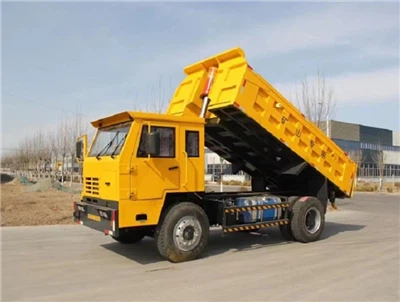
As a supplier of rubber wheel trucks, I've often been asked about the regulations governing these vehicles. In this blog post, I'll delve into the key regulations that apply to rubber wheel trucks, their significance, and how they impact our business and customers.
1. Safety - First and Foremost
Safety regulations are the cornerstone of any vehicle industry, and rubber wheel trucks are no exception. These regulations are designed to protect operators, passengers, and the general public.
a. Vehicle Design and Construction
One of the primary aspects of safety regulations is related to the design and construction of rubber wheel trucks. The frame, suspension, and braking systems must meet specific strength and performance standards. For example, the braking system should be able to stop the vehicle within a certain distance at a given speed. This ensures that in case of an emergency, the truck can come to a halt safely.
The tires, being the only contact point between the vehicle and the ground, are also subject to strict regulations. They must have sufficient tread depth and load - carrying capacity. Worn - out tires can lead to skidding and loss of control, which is extremely dangerous.
b. Operator Safety
Safety regulations also focus on protecting the operator. Rubber wheel trucks are often equipped with safety features such as seat belts, roll - over protection structures (ROPS), and falling object protection structures (FOPS). ROPS and FOPS are designed to protect the operator in case of a roll - over or if objects fall on the vehicle.
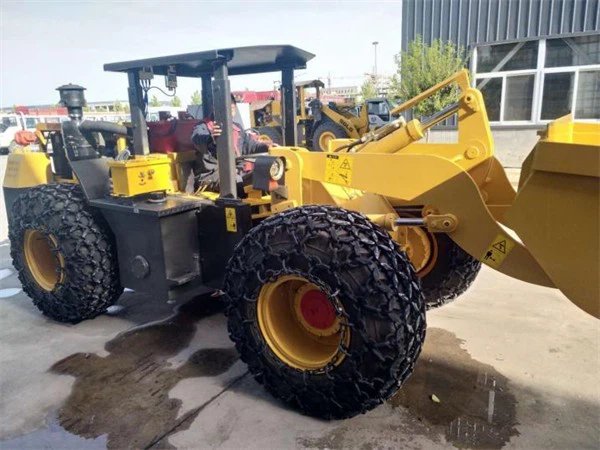

In addition, there are regulations regarding operator training. Operators must be properly trained and certified to operate rubber wheel trucks. This training includes understanding the vehicle's controls, safety procedures, and emergency protocols.
2. Environmental Regulations
With the growing concern for the environment, rubber wheel trucks are also subject to environmental regulations.
a. Emissions
One of the main environmental concerns is vehicle emissions. Rubber wheel trucks, especially those powered by internal combustion engines, emit pollutants such as carbon monoxide, nitrogen oxides, and particulate matter. Governments around the world have set limits on these emissions to reduce air pollution.
To comply with these regulations, manufacturers are constantly developing new technologies to reduce emissions. For example, some trucks are now equipped with advanced exhaust after - treatment systems, such as diesel particulate filters and selective catalytic reduction systems.
b. Noise Pollution
Another environmental aspect is noise pollution. Rubber wheel trucks can be quite noisy, especially when operating in urban or residential areas. Regulations are in place to limit the noise levels produced by these vehicles. Manufacturers are required to design trucks with noise - reducing features, such as mufflers and sound - insulating materials.
3. Industry - Specific Regulations
Depending on the industry in which rubber wheel trucks are used, there may be additional regulations.
a. Mining Industry
In the mining industry, rubber wheel trucks are used for transporting materials, equipment, and personnel. These trucks must comply with strict safety regulations due to the hazardous nature of the mining environment. For example, in underground mines, trucks must be explosion - proof to prevent the ignition of flammable gases.
We offer a range of products suitable for the mining industry, such as the Trackless Rubber Wheel Shuttletram, which is designed to meet the specific requirements of coal mining operations. It is built with safety features to ensure the well - being of miners and the efficient transportation of coal.
Our Explosion - proof Loader is another product that adheres to the strict safety standards of the mining industry. It is equipped with explosion - proof components to prevent accidents in explosive atmospheres.
b. Construction Industry
In the construction industry, rubber wheel trucks are used for hauling construction materials, such as gravel, sand, and concrete. These trucks must comply with regulations regarding load capacity and weight distribution. Overloading a truck can lead to structural damage, tire blowouts, and poor handling.
4. Compliance and Certification
To ensure that rubber wheel trucks meet the required regulations, they must undergo a series of tests and obtain the necessary certifications.
a. Testing Procedures
Manufacturers are required to conduct various tests on their trucks, including performance tests, safety tests, and emissions tests. These tests are carried out in specialized testing facilities to ensure accurate results.
b. Certification Bodies
There are several certification bodies around the world that issue certifications for rubber wheel trucks. These certifications are recognized by governments and regulatory authorities. For example, in the European Union, trucks must comply with the EU's safety and environmental regulations and obtain the appropriate CE certification.
5. Impact on Our Business and Customers
As a supplier of rubber wheel trucks, these regulations have a significant impact on our business and our customers.
a. Business Operations
Compliance with regulations requires us to invest in research and development to design and manufacture trucks that meet the standards. This includes developing new technologies, improving safety features, and reducing emissions. We also need to ensure that our manufacturing processes are in line with the regulations.
b. Customer Benefits
For our customers, these regulations provide assurance that the trucks they purchase are safe, reliable, and environmentally friendly. They can operate the trucks with confidence, knowing that they meet the necessary standards. In addition, compliance with regulations can also lead to cost savings in the long run, as trucks with lower emissions and better safety features are often more fuel - efficient and require less maintenance.
We also offer the Explosion - proof Trackless Rubber Wheel Vehicle, which is a great option for customers in industries where explosion - proof vehicles are required. This vehicle combines the benefits of rubber wheel technology with explosion - proof features, providing a safe and efficient transportation solution.
6. Conclusion and Call to Action
In conclusion, there are numerous regulations for rubber wheel trucks, covering safety, environmental, and industry - specific aspects. These regulations are essential for protecting people and the environment, and they also drive innovation in the industry.
If you're in the market for a rubber wheel truck, whether it's for mining, construction, or other industries, we can provide you with high - quality products that comply with all the relevant regulations. Our team of experts can help you choose the right truck for your needs and ensure a smooth purchasing process.
If you have any questions or are interested in learning more about our products, please feel free to reach out to us. We're looking forward to discussing your requirements and assisting you in making the best decision for your business.
References
- International Organization for Standardization (ISO) standards related to vehicle safety and performance.
- Local government regulations on vehicle emissions and noise pollution.
- Industry - specific standards and guidelines for mining and construction vehicles.