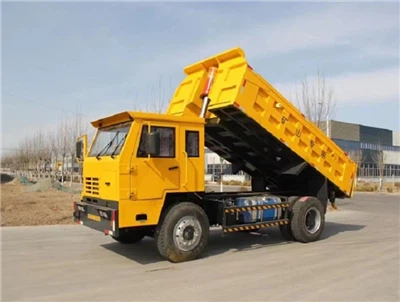
Mining loaders play a pivotal role in the mining industry, serving as reliable workhorses for moving large volumes of materials efficiently. One of the key components of a mining loader is its bucket, which endures significant wear and tear during regular operations. Over time, the bucket may become damaged or worn out, necessitating replacement. In this blog, as a professional mining loader supplier, I'll guide you through the step - by - step process of replacing the bucket of a mining loader.
Preparation
Before starting the bucket replacement process, it is crucial to conduct a comprehensive inspection of the mining loader. This includes checking the overall condition of the loader, ensuring that all systems such as hydraulics, electrical, and mechanical are functioning properly. Any underlying issues should be addressed before proceeding with the bucket replacement as they could potentially complicate the process or lead to further problems.
In addition to inspecting the loader, gather all the necessary tools and equipment. You will typically need wrenches, sockets, hydraulic hoses, lift equipment, and a replacement bucket that is compatible with your specific mining loader model. Using the right tools not only ensures the safety of the operation but also helps in completing the task more efficiently.
Make sure to have a safe working environment. The area where the replacement will take place should be flat, stable, and free from any potential hazards. If the loader is in an underground mine, proper ventilation and lighting are essential.
Safety Precautions
Safety should always be the top priority when working on a mining loader. First, disconnect the power source to prevent any accidental startup. This may involve turning off the engine and disconnecting the battery. Additionally, engage the parking brake to keep the loader stationary during the replacement process.
Wear appropriate personal protective equipment (PPE), including hard hats, safety glasses, gloves, and steel - toed boots. These items can protect you from potential injuries such as falling debris, hydraulic fluid splashes, and impacts.
If you are working with hydraulic systems, be aware of the high - pressure nature of hydraulic fluids. Release the hydraulic pressure in the system before disconnecting any hoses. This can usually be done by operating the loader's controls in a specific sequence as outlined in the operator's manual.
Removing the Old Bucket
The first step in the bucket removal process is to locate the attachment points between the bucket and the loader. These are typically hydraulic cylinders and pins that hold the bucket firmly in place. Once you have identified these attachment points, use the appropriate tools to loosen the connection.
For hydraulic cylinders, you will need to disconnect the hydraulic hoses. Before doing so, make sure to place a container beneath the hoses to catch any hydraulic fluid that may leak out. Use a wrench to loosen the hose fittings carefully, taking note of the orientation of the hoses for reinstallation later.
Next, remove the pins that hold the bucket to the loader's arms. This may require the use of a pin puller or a hammer and punch. Be careful not to damage the pins or the attachment points during this process. Once the pins are removed, the bucket should be free from the loader's arms.
Use a lift equipment, such as a crane or a forklift, to carefully lift the old bucket off the loader. Make sure the lift is stable and that the bucket is balanced to prevent it from tipping or falling.
Installing the New Bucket
Before installing the new bucket, inspect it thoroughly for any damage or defects. Check the dimensions to ensure that it is a perfect fit for your mining loader. Clean the attachment points on both the loader's arms and the new bucket to remove any dirt or debris that could prevent a proper connection.
Use the lift equipment to position the new bucket in front of the loader's arms. Align the holes in the bucket with the holes in the loader's arms precisely. This may require some adjustment and fine - tuning to ensure a perfect fit.

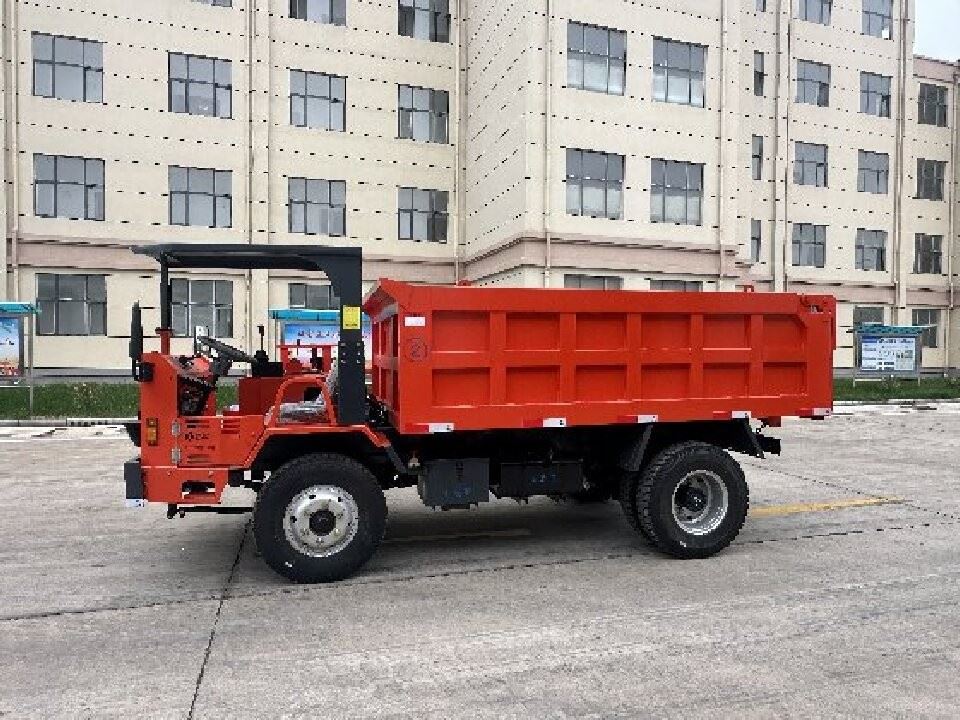
Insert the pins through the holes to secure the bucket to the loader's arms. Make sure the pins are fully inserted and locked in place. You may need to use a hammer to tap the pins into position gently.
Reconnect the hydraulic hoses to the appropriate ports on the new bucket. Make sure the hoses are tightened securely, but do not over - tighten them as this could damage the fittings. Check for any signs of leaks after reconnecting the hoses.
Testing and Calibration
After the new bucket is installed, it is essential to test its functionality. Start the mining loader and operate the bucket through its full range of motion. Check for any abnormal noises, vibrations, or hydraulic leaks. Make sure the bucket can be raised, lowered, tilted, and dumped smoothly.
If there are any issues with the operation of the bucket, it may be necessary to calibrate the hydraulic system. This can usually be done by adjusting the flow and pressure settings according to the manufacturer's specifications.
Inspect the connection points again to ensure that they are secure and that there is no movement or looseness. If everything appears to be in order, the bucket replacement process is complete.
Benefits of Working with a Professional Supplier
As a mining loader supplier, we offer a wide range of high - quality buckets that are designed to meet the specific needs of different mining operations. Our buckets are made from durable materials that can withstand the harsh conditions of the mining environment, ensuring long - term performance and reliability.
In addition to providing quality products, we also offer comprehensive after - sales services. Our team of experts can assist you with the installation process, offer technical support, and provide training on how to operate and maintain your mining loader and its components.
Some of our related products that you might be interested in include the 4 - ton Underground Mining Dump Truck, Mining Concrete Mixer Truck, 3 Cubic Meter Hydraulic Mining Excavator, 10‑Ton Mining Dump Truck1, and 8 Ton Mining Dump Truck. These vehicles can work in synergy with your mining loader to enhance the overall efficiency of your mining operations.
Contact for Purchase and Negotiation
If you are in the market for a new mining loader or need to replace your bucket, we are here to assist you. Our team of sales representatives has extensive knowledge of the mining equipment industry and can help you find the right solution for your specific requirements. Whether you have questions about our products, need a quote, or want to discuss custom - made options, feel free to reach out to us. We look forward to the opportunity to work with you and contribute to the success of your mining operations.