Handling transport trucks in bad weather is a challenge that every trucker and transport company has to face. As a transport truck supplier, I've seen firsthand how different weather conditions can impact these big rigs. In this blog, I'll share some insights on how transport trucks handle in bad weather and how our trucks are designed to tackle these tough situations.
Rainy and Wet Conditions
Rain is one of the most common bad - weather conditions that transport trucks encounter. When it rains, the road surface becomes slippery, reducing the tire's grip. This can lead to longer braking distances and an increased risk of skidding.
Our trucks, like the 20 Tons Mining Transport Truck, are equipped with advanced tire technology. The tires have deep treads that are designed to channel water away from the contact area between the tire and the road. This helps to maintain traction even in wet conditions. Additionally, the anti - lock braking system (ABS) is a standard feature. The ABS prevents the wheels from locking up during braking, which is crucial on wet roads. If the wheels lock, the truck can skid out of control.
The wet weather also affects visibility. Our trucks come with high - intensity wipers and powerful headlights. The wipers are designed to clear the windshield quickly, ensuring that the driver has a clear view of the road ahead. The headlights are bright enough to cut through the rain, making it easier for the driver to see obstacles and other vehicles.
Snow and Ice
Snow and ice present an even greater challenge for transport trucks. The cold temperatures can cause the battery to lose power, and the engine may be harder to start. Once on the road, the slippery conditions make it extremely difficult to control the vehicle.
Our 12 Tons Mining Truck is well - prepared for cold weather. The engine is equipped with a block heater, which helps to warm up the engine block before starting. This makes it easier to start the engine in freezing temperatures. The trucks also have special snow - rated tires. These tires have a unique tread pattern and rubber compound that provide better grip on snow and ice.
Another important feature is the traction control system. This system monitors the wheel speed and can apply the brakes to individual wheels if it detects a loss of traction. This helps to keep the truck moving forward in a straight line and reduces the risk of fishtailing.
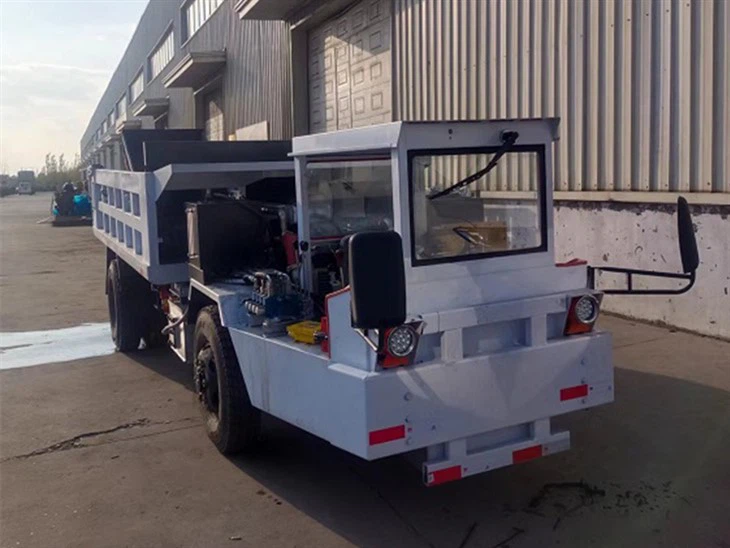

In addition, the trucks are fitted with heated mirrors and a defrosting system for the windshield. This ensures that the driver can maintain good visibility, even in the coldest of conditions.
High Winds
High winds can be a real problem for transport trucks, especially those with a large surface area. A strong cross - wind can push the truck off course, making it difficult to steer.
Our transport trucks are designed with a low center of gravity. This helps to improve stability and reduces the risk of being pushed around by the wind. The trucks also have aerodynamic designs. The streamlined shape minimizes the impact of the wind, allowing the truck to maintain a more stable course.
The driver also plays a crucial role in handling high winds. They need to adjust their speed and steering to counteract the effects of the wind. Our trucks are equipped with advanced steering systems that make it easier for the driver to make these adjustments quickly and accurately.
Fog
Fog is another weather condition that can severely limit visibility. When driving in fog, it's important to be able to see and be seen.
Our trucks, including the Underground Mining Explosion - proof Vehicle, are equipped with fog lights. These lights are positioned low on the front of the truck and are designed to cut through the fog. They provide a wide, low - lying beam of light that helps the driver to see the edges of the road and any obstacles in front.
In addition, the trucks have reflective markings. These markings make the truck more visible to other drivers in the fog, reducing the risk of collisions.
Maintenance for Bad Weather
Proper maintenance is essential for ensuring that transport trucks can handle bad weather. Before the start of the bad - weather season, it's important to check the truck thoroughly.
The tires should be inspected for wear and proper inflation. Under - inflated or worn - out tires can significantly reduce traction, especially in wet or snowy conditions. The brakes should also be checked to ensure that they are in good working order. The battery should be tested to make sure it can handle the cold temperatures.
The lights, wipers, and defroster should all be tested to ensure they are functioning properly. These components are crucial for maintaining visibility in bad weather.
Conclusion
Handling transport trucks in bad weather requires a combination of good equipment design, proper maintenance, and skilled drivers. At our company, we understand the challenges that bad weather presents, and we've designed our trucks to meet these challenges head - on.
Whether it's rain, snow, high winds, or fog, our trucks are built to perform. We offer a range of trucks, like the 20 Tons Mining Transport Truck, 12 Tons Mining Truck, and Underground Mining Explosion - proof Vehicle, that are designed to handle different types of transport needs, even in the toughest weather conditions.
If you're in the market for a transport truck that can handle bad weather, we'd love to talk to you. Contact us to discuss your specific requirements and learn more about how our trucks can meet your needs.
References
- "Trucking in Bad Weather: What Drivers Need to Know" - Trucking Industry Magazine
- "Weather - Related Challenges for Transport Trucks" - Journal of Transportation Engineering
- "Designing Trucks for Extreme Weather Conditions" - Automotive Design Quarterly