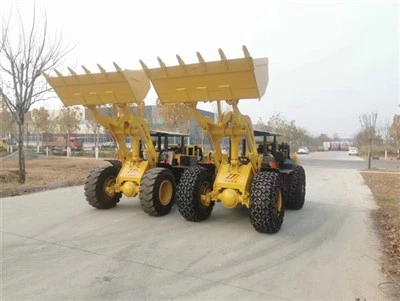
As a supplier of mining loaders, I understand the critical importance of safety in the mining industry. Mining loaders are essential equipment in mining operations, but their operation involves various risks. In this blog, I will share some key guidelines on how to operate a mining loader safely.
Pre - operation Checks
Before starting the mining loader, a series of pre - operation checks must be carried out. First, visually inspect the exterior of the loader. Check for any signs of damage such as cracks on the body, loose bolts, or leaks in the hydraulic system. A damaged hydraulic system can lead to sudden loss of control, so it is crucial to ensure its integrity.
Next, examine the tires. The tires should be properly inflated and have sufficient tread depth. Uneven tire pressure can cause the loader to handle poorly, increasing the risk of accidents. Also, check the condition of the brakes. Test the brake pedals to ensure they are responsive and that the braking system is functioning correctly.
Inspect the lighting system. In the often - dark mining environment, proper lighting is essential for visibility. Make sure all headlights, taillights, and warning lights are working. Additionally, check the horn to ensure it can be heard clearly in the noisy mining area.
The operator should also review the loader's instrument panel. Check the fuel level, coolant level, and oil pressure indicators. Low fuel can cause the loader to stop unexpectedly, while low coolant or oil pressure can lead to engine damage.
Operator Training
One of the most important aspects of safe mining loader operation is proper operator training. Operators should receive comprehensive training on the specific model of the mining loader they will be operating. This training should cover both theoretical knowledge and practical skills.
Theoretical training includes understanding the loader's technical specifications, such as its lifting capacity, turning radius, and maximum speed. Operators should also learn about the loader's control systems, including how to use the joysticks, pedals, and switches correctly.
Practical training involves hands - on experience in operating the loader. Operators should practice basic maneuvers such as starting, stopping, turning, and loading and unloading materials. They should also be trained in handling different types of terrains commonly found in mining sites, such as uneven ground, slopes, and wet surfaces.
Regular refresher courses should be provided to keep operators updated on the latest safety procedures and any new features of the loader. This helps to ensure that operators maintain a high level of safety awareness and proficiency.
Operating in the Mining Environment
Mining environments present unique challenges for loader operators. One of the main challenges is visibility. In underground mines, for example, the lighting may be limited, and there may be dust and fumes that reduce visibility further. Operators should use the loader's lighting system effectively and be aware of their surroundings at all times.
When operating on slopes, extra caution is required. The loader should be driven at a slow and steady speed, and the operator should avoid sudden acceleration or braking. When going uphill, the loader should be in a low gear to maintain traction, while when going downhill, the brakes should be used carefully to control the speed.
In areas with other mining equipment, such as 20 Tons Mining Transport Truck and Mechanical Transport Vehicle, operators should maintain a safe distance. This helps to prevent collisions and allows enough time to react in case of an emergency.
Dust is another common issue in mining sites. Dust can not only reduce visibility but also cause health problems for operators. The loader should be equipped with proper dust - control systems, and operators should wear appropriate personal protective equipment, such as dust masks.
Maintenance and Inspection
Regular maintenance and inspection of the mining loader are essential for safe operation. A maintenance schedule should be established based on the manufacturer's recommendations. This schedule should include tasks such as oil changes, filter replacements, and hydraulic system checks.
Daily inspections should be carried out by the operator before and after each shift. These inspections can help to identify any potential problems early, such as loose parts or abnormal noises. If any issues are found, they should be reported immediately and repaired before the loader is used again.
Periodic in - depth inspections should be conducted by qualified technicians. These inspections may involve disassembling certain parts of the loader to check for wear and tear. Components such as the engine, transmission, and brakes should be thoroughly inspected to ensure they are in good working condition.
Emergency Procedures
Operators should be familiar with the emergency procedures for the mining loader. In case of a fire, for example, the operator should know how to use the fire extinguisher on the loader. The location of the fire extinguisher should be clearly marked, and operators should be trained in its proper use.
If the loader experiences a mechanical failure, such as a brake failure or engine stall, the operator should follow the correct emergency stop procedures. This may involve moving the loader to a safe location, turning off the engine, and notifying the relevant personnel.
In the event of an accident, operators should know how to provide first - aid to themselves or others if necessary. They should also be aware of the emergency evacuation routes in the mining site.
Safety Culture
Creating a strong safety culture in the mining operation is crucial for the safe operation of mining loaders. Management should promote safety as a top priority and provide the necessary resources for safety training and equipment.
Employees should be encouraged to report any safety concerns or near - misses. This helps to identify potential hazards before they cause accidents. Regular safety meetings should be held to discuss safety issues, share best practices, and reinforce safety procedures.
Contact for Purchase and Consultation
If you are interested in our mining loaders or have any questions about their safe operation, we welcome you to contact us for further discussion. Our team of experts is ready to provide you with detailed information and assist you in making the right choice for your mining operation.


References
- Mining Equipment Safety Handbook. [Publisher], [Year]
- Guidelines for Safe Operation of Heavy Machinery in Mining. [Organization], [Year]
- Best Practices in Mining Loader Maintenance and Operation. [Research Institute], [Year]