Hey there! I'm in the transport truck supply business, and let me tell you, planning routes for these big rigs is no walk in the park. In this blog, I'll break down how transport trucks go about planning their routes, and I'll share some insights from my experience as a supplier.
Understanding the Basics of Route Planning
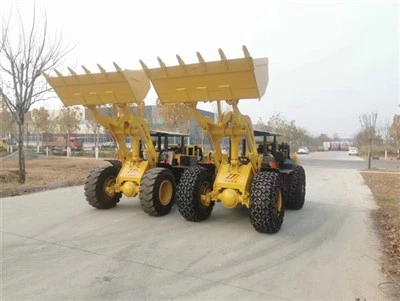
First things first, route planning for transport trucks isn't just about punching in a destination on a GPS and hitting the road. There are a whole bunch of factors that need to be considered. One of the most important is the type of cargo being transported. For example, if you're hauling something like a Mining Concrete Mixer Truck, you've got to think about the weight and dimensions of the load. These trucks are massive, and they need routes that can handle their size and weight.
Another key factor is the time frame. Some deliveries are time-sensitive, like fresh produce or medical supplies. In these cases, the driver needs to find the fastest route possible. But it's not always as simple as taking the shortest distance. Traffic, road conditions, and even weather can all affect travel time.
Using Technology for Route Planning
In today's day and age, technology plays a huge role in route planning. There are all sorts of software and apps available that can help drivers and logistics managers plan the best routes. These tools take into account a wide range of data, including real-time traffic information, road closures, and even historical traffic patterns.
One of the most popular tools is GPS navigation systems. These devices not only provide turn-by-turn directions but also offer features like traffic alerts and alternative routes. Many modern GPS systems are also integrated with other technologies, such as fleet management software, which allows companies to track their trucks in real-time and make adjustments to routes as needed.

Another useful technology is mapping software. Programs like Google Maps and MapQuest offer detailed maps and route planning features. They can also provide information on things like rest areas, fuel stations, and truck stops along the way. This is especially important for long-haul drivers who need to plan their breaks and refueling stops.
Considering Road Regulations and Restrictions
When planning routes for transport trucks, it's crucial to consider road regulations and restrictions. Different states and countries have different rules regarding truck size, weight, and access. For example, some roads may have weight limits or height restrictions that prevent certain types of trucks from using them.
There are also regulations regarding driver hours and rest periods. In the United States, for example, the Federal Motor Carrier Safety Administration (FMCSA) has rules that limit the number of hours a driver can be on the road without taking a break. These regulations are in place to ensure the safety of both drivers and other road users.
In addition to federal regulations, there may also be local restrictions. Some cities and towns have specific rules about where trucks can drive or park. It's important to research these regulations before planning a route to avoid any fines or penalties.
Factoring in Load and Unload Locations
The locations where the cargo is being loaded and unloaded also play a big role in route planning. The driver needs to make sure that the route includes easy access to these locations. This may involve finding roads with wide enough turning radii and sufficient space for maneuvering the truck.
If the load is being picked up or delivered at a commercial facility, the driver also needs to consider the facility's operating hours and any special requirements. For example, some facilities may require trucks to enter through a specific gate or follow a certain procedure when loading or unloading.
Optimizing Routes for Efficiency
Once all the factors have been considered, the goal is to optimize the route for efficiency. This means finding the route that minimizes travel time, fuel consumption, and wear and tear on the truck. One way to do this is by using a technique called route optimization.
Route optimization software uses algorithms to analyze all the available data and find the most efficient route. It takes into account factors like traffic, road conditions, and load and unload locations to create a route that saves time and money. This can be especially beneficial for companies that have large fleets of trucks, as it can help them reduce costs and improve productivity.
The Human Element in Route Planning
While technology is an important tool for route planning, the human element still plays a crucial role. Experienced drivers often have a wealth of knowledge and intuition about the roads they travel. They may know shortcuts or alternative routes that aren't always obvious from a map or GPS system.
Logistics managers also play an important role in route planning. They need to communicate effectively with drivers and other stakeholders to ensure that the routes are planned and executed smoothly. They may also need to make adjustments to routes on the fly based on changing circumstances, such as unexpected traffic or road closures.
Planning Routes for Different Types of Trucks
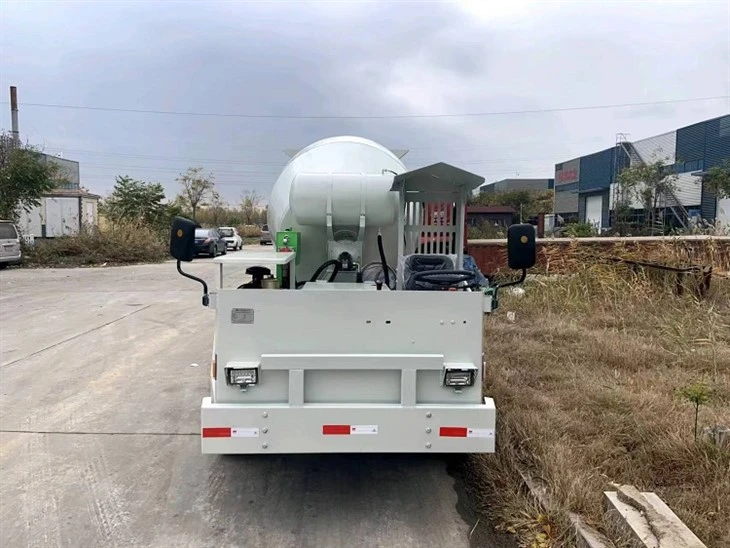
Different types of transport trucks have different requirements when it comes to route planning. For example, a 3 Cubic Meter Concrete Mixer Truck has different size and weight characteristics compared to an Articulated Dump Truck.
Concrete mixer trucks need to be able to access construction sites easily. They also need to consider the location of concrete batching plants, as they need to pick up the concrete and deliver it to the job site as quickly as possible. Articulated dump trucks, on the other hand, are often used in mining and construction applications. They need routes that can handle their heavy loads and rough terrain.
Conclusion
Route planning for transport trucks is a complex process that involves considering a wide range of factors. From the type of cargo being transported to road regulations and technology, there are many things to take into account. By using the right tools and techniques, drivers and logistics managers can plan the most efficient routes possible, which can save time, money, and improve safety.
If you're in the market for a transport truck, whether it's a mining concrete mixer truck, a 3 cubic meter concrete mixer truck, or an articulated dump truck, I'd love to help. We offer a wide range of high-quality trucks at competitive prices. Contact us today to start the conversation and find the perfect truck for your needs.
References
- Federal Motor Carrier Safety Administration. (n.d.). Hours of Service Regulations. Retrieved from [FMCSA Website]
- Google Maps. (n.d.). [Website URL]
- MapQuest. (n.d.). [Website URL]