How do wide body cars perform in coastal areas?
As a supplier of wide body cars, I've had numerous inquiries regarding how these vehicles fare in coastal regions. Coastal areas present a unique set of challenges and opportunities for wide body cars, and understanding their performance in such environments is crucial for potential buyers. In this blog, I'll delve into the various aspects of how wide body cars perform in coastal areas, from their adaptability to the climate to their handling on coastal roads.

Adaptability to the Coastal Climate
One of the most significant factors affecting wide body cars in coastal areas is the climate. Coastal regions typically have high humidity levels, salt-laden air, and frequent exposure to moisture from the sea. These conditions can pose challenges to the vehicle's exterior and interior components.
The salt in the air is particularly corrosive and can cause rust and damage to the car's body and undercarriage. Wide body cars, with their larger surface area, are more susceptible to this type of corrosion. However, many modern wide body cars are equipped with advanced anti-corrosion treatments. These treatments involve applying special coatings to the vehicle's body panels and undercarriage to protect them from the salt and moisture. For example, some manufacturers use galvanized steel, which has a zinc coating that acts as a sacrificial layer, corroding instead of the steel beneath. Additionally, regular maintenance, such as washing the car to remove salt deposits, can significantly extend the vehicle's lifespan in coastal areas.
The high humidity can also affect the car's electrical systems. Moisture can seep into electrical components, causing short circuits and malfunctions. To combat this, wide body cars often feature sealed electrical connectors and moisture-resistant wiring. Some vehicles are also equipped with humidity sensors that can detect high levels of moisture and trigger ventilation systems to reduce the risk of damage.
Handling on Coastal Roads
Coastal roads can vary greatly in terms of terrain and conditions. They may include winding cliffside roads, flat beachfront paths, or uneven cobblestone streets. Wide body cars, with their wider stance and larger footprint, generally offer better stability on these roads.
On winding roads, the wider track width of wide body cars provides increased lateral stability. This means that the vehicle is less likely to roll over or skid when taking sharp turns at higher speeds. The additional width also allows for a more balanced distribution of weight, which improves handling and reduces body roll. For example, a wide body sports car can maintain better traction and control on a coastal cliffside road, allowing the driver to navigate the curves with confidence.
However, the wider size of these cars can also be a disadvantage in some situations. On narrow coastal streets or in areas with limited parking space, maneuvering a wide body car can be more challenging. Drivers may need to be more cautious when making turns or parking to avoid scraping the vehicle's sides.
Performance in Coastal Weather Conditions
Coastal areas are prone to sudden changes in weather, including heavy rain, fog, and strong winds. These weather conditions can have a significant impact on the performance of wide body cars.
In heavy rain, the large surface area of wide body cars can create more drag, which can reduce fuel efficiency. However, many wide body cars are designed with aerodynamic features to minimize this effect. For example, some vehicles have sloping hoods and streamlined body shapes that help to channel air around the car, reducing drag and improving fuel economy. Additionally, wide body cars often come equipped with advanced traction control systems that can help maintain stability on wet roads. These systems use sensors to detect wheel slippage and automatically adjust the engine power and braking to keep the vehicle on course.
Fog can also pose a challenge for drivers of wide body cars. Reduced visibility can make it difficult to navigate the roads safely. To address this, many wide body cars are equipped with advanced lighting systems, such as fog lights and adaptive headlights. Fog lights are designed to project a wide, low beam that cuts through the fog, improving visibility close to the ground. Adaptive headlights can automatically adjust their angle and intensity based on the vehicle's speed and steering angle, providing better illumination around curves and in low-light conditions.
Strong winds are another common weather phenomenon in coastal areas. The wide body of these cars can act as a sail, making them more susceptible to being pushed around by crosswinds. However, modern wide body cars are engineered with aerodynamics in mind to minimize the effects of wind. Some vehicles have active aerodynamic features, such as adjustable spoilers and air dams, that can be automatically adjusted to reduce drag and improve stability in windy conditions.
Applications in Coastal Industries
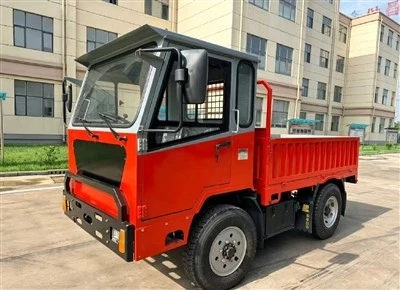
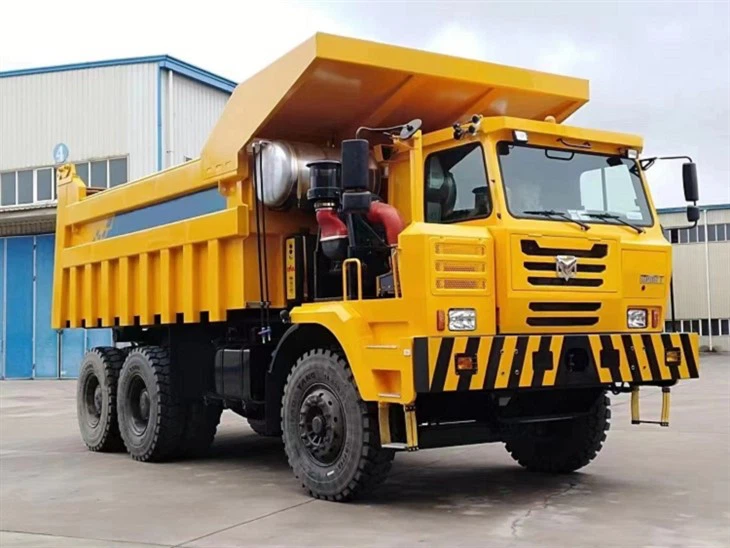
Wide body cars are not only used for personal transportation but also have various applications in coastal industries. For example, Wide Body Mining Truck are often used in coastal mining operations. These trucks are designed to carry large loads of minerals and materials, and their wide body allows for increased payload capacity. The wider stance also provides better stability when driving on uneven terrain, which is common in mining areas.
In the tourism industry, wide body vehicles such as buses and limousines are popular for transporting tourists along coastal routes. These vehicles offer more space and comfort for passengers, allowing them to enjoy the scenic views without feeling cramped. The wide body also provides a more stable and comfortable ride, even on bumpy roads.
Conclusion
Overall, wide body cars can perform well in coastal areas with proper care and maintenance. Their adaptability to the coastal climate, handling on coastal roads, and performance in various weather conditions make them a viable option for both personal and industrial use in these regions.
If you're considering purchasing a wide body car for use in a coastal area, I encourage you to reach out to me for more information. I can provide detailed specifications, performance data, and advice on how to choose the right vehicle for your needs. Whether you're looking for a 3 Tons Mining Truck for your mining operation or a luxurious wide body limousine for your tourism business, I'm here to assist you. Let's start a conversation and find the perfect wide body car for your coastal adventures.
References
- Automotive Engineering Handbook, Society of Automotive Engineers
- Coastal Climate and Vehicle Performance Research, National Institute of Transportation Research