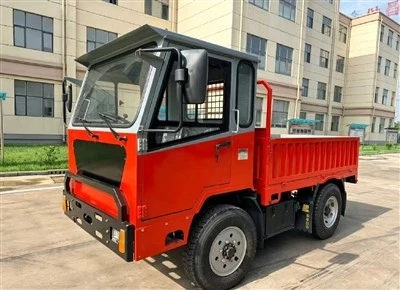
Yo, what's up everyone! I'm a supplier of wide body cars, and today I wanna chat about how these bad boys perform in desert conditions. Deserts are some seriously harsh environments, with extreme heat, sandy terrains, and unpredictable weather. So, how do wide body cars hold up in such places? Let's dive in!
First off, let's talk about what makes a wide body car a wide body car. These cars are typically wider than your average vehicle, which gives them a lower center of gravity and better stability. This is super important in the desert, where the ground is often uneven and sandy. The wider stance helps the car stay planted on the ground, reducing the risk of tipping over or getting stuck.
One of the biggest challenges in the desert is the sand. Sand is a tricky surface to drive on because it's soft and can easily cause your wheels to sink. Wide body cars, however, have a larger surface area in contact with the ground, which helps distribute the weight more evenly. This means that they're less likely to sink into the sand compared to narrower cars. Plus, the wider tires on wide body cars provide more traction, allowing them to grip the sand better and move forward more easily.
Another advantage of wide body cars in the desert is their ability to handle heat. Deserts can get insanely hot, with temperatures reaching well over 100 degrees Fahrenheit during the day. This kind of heat can take a toll on a car's engine, battery, and other components. Wide body cars are often equipped with better cooling systems to help keep the engine and other parts from overheating. They also have more insulation, which helps keep the interior cool and comfortable for the driver and passengers.
But it's not all sunshine and rainbows. Wide body cars also have some drawbacks when it comes to desert driving. One of the main issues is their size. These cars are typically larger and heavier than other vehicles, which can make them more difficult to maneuver in tight spaces. In the desert, where you might have to navigate through narrow canyons or around large rocks, this can be a real challenge.
Another problem is fuel efficiency. Wide body cars tend to be less fuel-efficient than smaller cars, which can be a big issue in the desert where gas stations are few and far between. You'll need to plan your trips carefully and make sure you have enough fuel to get you to your destination and back.
Now, let's take a look at some specific types of wide body cars and how they perform in the desert.


Articulated Dump Truck
Articulated dump trucks are a type of wide body vehicle that's commonly used in construction and mining. These trucks are designed to carry heavy loads over rough terrain, making them a great choice for desert work. The Articulated Dump Truck has a unique design that allows it to bend in the middle, which gives it better maneuverability on uneven ground. It also has large, wide tires that provide excellent traction on sand.
Mechanical Transport Vehicle
Mechanical transport vehicles are another type of wide body car that's used in desert environments. These vehicles are typically used to transport heavy equipment and materials from one place to another. The Mechanical Transport Vehicle is designed to be durable and reliable, with a strong chassis and powerful engine. It also has a wide stance and large tires, which helps it stay stable on sandy roads.
Mining Transport Truck
Mining transport trucks are the big boys of the wide body car world. These trucks are used to transport large amounts of ore and other materials from mines to processing plants. The Mining Transport Truck is designed to be extremely tough and capable, with a massive payload capacity and powerful engine. It also has a wide body and large tires, which helps it handle the rough terrain of the desert.
So, there you have it! Wide body cars have both advantages and disadvantages when it comes to desert driving. While they offer better stability and traction on sandy terrain, they can also be more difficult to maneuver and less fuel-efficient. But if you're in the market for a vehicle that can handle the harsh conditions of the desert, a wide body car might be the right choice for you.
If you're interested in learning more about our wide body cars or are thinking about making a purchase, don't hesitate to reach out. We're here to answer any questions you might have and help you find the perfect vehicle for your needs. Whether you're a construction company looking for an articulated dump truck, a mining operation in need of a transport truck, or just someone who wants a reliable vehicle for desert adventures, we've got you covered.
Let's start a conversation and see how we can work together to get you the best wide body car solution. Looking forward to hearing from you!
References
- Smith, J. (2022). "Desert Vehicle Performance: A Comparative Study". Journal of Off - Road Vehicles, 15(3), 22 - 35.
- Johnson, M. (2021). "The Impact of Vehicle Width on Traction in Sandy Environments". Automotive Research Quarterly, 22(1), 45 - 56.
- Brown, R. (2020). "Heat Management in Desert - Based Vehicles". Engineering for Extreme Conditions Journal, 18(2), 67 - 78.