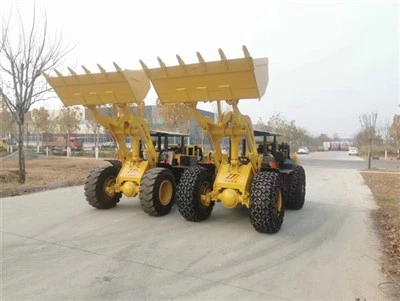
Optimizing the route for a mining transport truck is a multifaceted challenge that requires a comprehensive approach, taking into account various factors such as safety, efficiency, and cost - effectiveness. As a mining transport truck supplier, we understand the importance of this task and have in - depth knowledge of the solutions that can be employed.
Understanding the Basics of Mining Transport Routes
Before diving into optimization strategies, it's crucial to understand the unique characteristics of mining transport routes. These routes are often located in harsh and complex environments, including underground mines or open - pit sites. The terrain can be uneven, with steep slopes, sharp turns, and narrow passages. Additionally, there may be multiple obstacles such as other vehicles, pedestrians, and geological formations.
Safety is the top priority in mining operations. A well - optimized route should minimize the risk of accidents, which can lead to injuries, equipment damage, and production downtime. For example, routes should avoid areas with high rockfall risks or unstable ground. At the same time, efficiency is also essential. Trucks need to complete their trips in the shortest possible time to maximize productivity. This involves reducing the distance traveled, minimizing idle time, and ensuring smooth traffic flow.
Data Collection and Analysis
The first step in route optimization is data collection. We can install various sensors on the mining transport trucks, including GPS trackers, accelerometers, and load sensors. These sensors can collect real - time data on the truck's location, speed, acceleration, and load. In addition, we can gather data from the mine's infrastructure, such as the layout of the mine, the location of loading and unloading points, and the traffic conditions.
Once the data is collected, it needs to be analyzed. Advanced analytics tools can process the data to identify patterns and trends. For example, we can analyze the historical traffic data to determine the peak hours and congested areas. By understanding these patterns, we can plan routes that avoid traffic jams and reduce waiting times. We can also use the data on the terrain and truck performance to optimize the speed and acceleration of the trucks, which can save fuel and reduce wear and tear on the vehicles.
Route Planning Algorithms
Based on the data analysis, we can use route planning algorithms to generate the optimal routes. There are several types of algorithms that can be used for this purpose.
The Dijkstra's algorithm is a well - known algorithm for finding the shortest path in a graph. In the context of mining transport, the graph can represent the mine's road network, with nodes representing intersections and edges representing the roads between them. By assigning weights to the edges based on factors such as distance, slope, and traffic conditions, we can use Dijkstra's algorithm to find the shortest and most efficient route.
Another algorithm is the A* algorithm, which is an extension of Dijkstra's algorithm. The A* algorithm uses a heuristic function to estimate the cost from a given node to the destination. This can significantly reduce the search space and speed up the route planning process.
For more complex scenarios, such as dynamic traffic conditions or multiple trucks operating simultaneously, we can use genetic algorithms. Genetic algorithms are inspired by the process of natural selection. They start with a population of candidate routes and evolve them over generations to find the optimal solution. This approach can handle a large number of variables and constraints, making it suitable for real - world mining operations.
Incorporating Real - Time Information
In a mining environment, conditions can change rapidly. For example, a new rockfall may block a road, or a sudden increase in traffic may cause congestion. To adapt to these changes, our route optimization system should be able to incorporate real - time information.
We can use wireless communication technologies to transmit real - time data from the sensors on the trucks and the mine's infrastructure to a central control center. The control center can then analyze the data and update the routes in real - time. For example, if a road is blocked, the control center can immediately redirect the trucks to an alternative route.
In addition, we can use vehicle - to - vehicle (V2V) and vehicle - to - infrastructure (V2I) communication technologies. V2V communication allows trucks to exchange information with each other, such as their speed, location, and destination. This can help trucks to coordinate their movements and avoid collisions. V2I communication enables trucks to communicate with the mine's infrastructure, such as traffic lights and signs, to receive real - time traffic information.


Training and Maintenance
Optimizing the route for mining transport trucks is not just about technology; it also involves the human factor. Truck drivers need to be trained to follow the optimized routes and use the new technologies effectively. We can provide training programs for the drivers, including theoretical knowledge and practical exercises.
Regular maintenance of the trucks and the route optimization system is also essential. The sensors on the trucks need to be calibrated regularly to ensure accurate data collection. The route planning algorithms need to be updated to adapt to changes in the mine's layout and traffic conditions.
Related Products
As a mining transport truck supplier, we also offer a range of related products that can enhance the efficiency and safety of mining operations. For example, our Trackless Personnel Carrier is designed to transport workers safely and efficiently in the mine. Our Underground Mining Machines are built to withstand the harsh underground environment and perform various mining tasks. And our Mechanical Transport Vehicle is suitable for transporting heavy loads in the mine.
Conclusion
Optimizing the route for a mining transport truck is a complex but achievable task. By combining data collection, analysis, advanced algorithms, real - time information, and proper training and maintenance, we can create a more efficient and safe mining transport system. As a mining transport truck supplier, we are committed to providing our customers with the best solutions for route optimization and related products. If you are interested in our products or have any questions about route optimization, please feel free to contact us for further discussion and potential procurement.
References
- Ahuja, R. K., Magnanti, T. L., & Orlin, J. B. (1993). Network Flows: Theory, Algorithms, and Applications. Prentice - Hall.
- Russell, S. J., & Norvig, P. (2009). Artificial Intelligence: A Modern Approach. Pearson.
- Wang, J., & Zhou, X. (2018). Route Optimization for Mining Trucks Based on Real - Time Traffic Information. Journal of Mining Science.