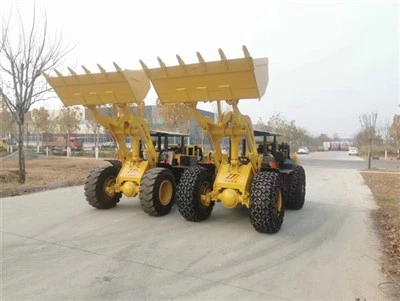
As a supplier of 120 Mucking Loaders, I often receive inquiries from customers about how to calculate the operating cost of these machines. Understanding the operating cost is crucial for businesses to manage their budgets effectively and make informed decisions about equipment utilization. In this blog post, I will guide you through the process of calculating the operating cost of a 120 Mucking Loader, covering various aspects that contribute to the overall expense.
1. Initial Purchase Cost
The first component of the operating cost is the initial purchase price of the 120 Mucking Loader. This cost can vary depending on the brand, model, features, and additional accessories. When evaluating the purchase cost, it's important to consider the long - term value and reliability of the machine. A higher - quality loader may have a higher upfront cost but can result in lower maintenance and repair costs over its lifespan.
2. Fuel Consumption
Fuel is one of the major ongoing expenses for operating a 120 Mucking Loader. The fuel consumption rate of a mucking loader depends on several factors, including the engine size, load capacity, operating conditions, and the operator's driving habits.
To calculate the fuel cost, you first need to determine the fuel consumption rate of the loader. This information can usually be found in the machine's technical specifications provided by the manufacturer. For example, if the 120 Mucking Loader has a fuel consumption rate of 10 liters per hour and the price of fuel is $2 per liter, and the loader operates for 8 hours a day, the daily fuel cost can be calculated as follows:
Fuel consumption per day = Fuel consumption rate × Operating hours per day
Fuel consumption per day = 10 liters/hour × 8 hours = 80 liters
Daily fuel cost = Fuel consumption per day × Fuel price per liter
Daily fuel cost = 80 liters × $2/liter = $160
3. Maintenance and Repair Costs
Regular maintenance is essential to keep the 120 Mucking Loader in good working condition and prevent breakdowns. Maintenance costs include expenses for oil changes, filter replacements, lubrication, and inspections. The frequency and cost of maintenance depend on the manufacturer's recommendations and the actual usage of the machine.
In addition to routine maintenance, unexpected repairs may also occur during the loader's operation. Repair costs can vary widely depending on the nature and severity of the problem. To estimate the annual maintenance and repair costs, you can refer to the historical data of similar machines or consult with the manufacturer or other users of the same model.
As a general rule, it is recommended to set aside a certain percentage of the machine's purchase price for annual maintenance and repair costs. For a 120 Mucking Loader, this percentage can range from 5% to 10% of the purchase price, depending on the machine's age, usage intensity, and operating environment.
4. Operator Wages
The cost of labor is another significant factor in the operating cost of a 120 Mucking Loader. The operator's wage depends on the local labor market, the operator's experience and skills, and the working hours.
To calculate the labor cost, you need to know the hourly wage rate of the operator and the number of hours the loader is operated. For example, if the operator's hourly wage is $20 and the loader operates for 8 hours a day, the daily labor cost is:
Daily labor cost = Hourly wage rate × Operating hours per day
Daily labor cost = $20/hour × 8 hours = $160
5. Depreciation
Depreciation is the decrease in the value of the 120 Mucking Loader over time due to wear and tear, obsolescence, and other factors. To calculate the depreciation cost, you can use different methods, such as the straight - line method or the declining - balance method.
The straight - line method is the simplest way to calculate depreciation. The formula for straight - line depreciation is:
Depreciation per year = (Purchase price - Residual value) / Useful life
For example, if the purchase price of the 120 Mucking Loader is $100,000, the residual value (the estimated value of the machine at the end of its useful life) is $10,000, and the useful life is 10 years, the annual depreciation cost is:
Depreciation per year = ($100,000 - $10,000) / 10 = $9,000
6. Insurance and Taxes
Insurance is necessary to protect the 120 Mucking Loader against damage, theft, and liability. The insurance cost depends on the value of the machine, the coverage options, and the insurance company. Taxes, such as property tax or sales tax, may also apply depending on the local regulations.
To estimate the insurance and tax costs, you can contact insurance providers and local tax authorities for quotes. These costs can vary significantly depending on the location and specific circumstances.
Example of Total Operating Cost Calculation
Let's assume the following parameters for a 120 Mucking Loader:
- Purchase price: $100,000
- Fuel consumption rate: 10 liters per hour
- Fuel price: $2 per liter
- Operating hours per day: 8 hours
- Operator's hourly wage: $20
- Useful life: 10 years
- Residual value: $10,000
- Annual maintenance and repair cost: 7% of the purchase price
- Insurance and tax cost per year: $5,000
Daily Fuel Cost:
Fuel consumption per day = 10 liters/hour × 8 hours = 80 liters
Daily fuel cost = 80 liters × $2/liter = $160


Daily Labor Cost:
Daily labor cost = $20/hour × 8 hours = $160
Annual Depreciation Cost:
Depreciation per year = ($100,000 - $10,000) / 10 = $9,000
Daily depreciation cost (assuming 250 working days per year) = $9,000 / 250 = $36
Annual Maintenance and Repair Cost:
Annual maintenance and repair cost = 7% × $100,000 = $7,000
Daily maintenance and repair cost (assuming 250 working days per year) = $7,000 / 250 = $28
Daily Insurance and Tax Cost:
Daily insurance and tax cost (assuming 250 working days per year) = $5,000 / 250 = $20
Total Daily Operating Cost:
Total daily operating cost = Daily fuel cost+Daily labor cost + Daily depreciation cost+Daily maintenance and repair cost+Daily insurance and tax cost
Total daily operating cost = $160 + $160+ $36 + $28+ $20 = $404
Conclusion
Calculating the operating cost of a 120 Mucking Loader involves considering multiple factors, including the initial purchase cost, fuel consumption, maintenance and repair, operator wages, depreciation, insurance, and taxes. By accurately estimating these costs, businesses can better manage their budgets and make more informed decisions about the use of the machine.
If you are interested in our 120 Mucking Loaders or other related products such as 150Mucking Loader, Mucking Machine, and Underground Tunnel Mucking Loader, please feel free to contact us for more information and to discuss your specific requirements. We are committed to providing high - quality equipment and excellent service to meet your needs.
References
- Manufacturer's technical specifications of 120 Mucking Loader.
- Industry reports on mucking loader operating costs.
- Labor market data for operator wages.