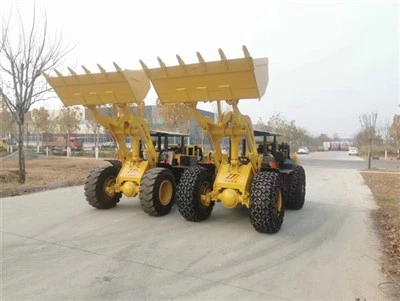
Hey there! As a supplier of explosion-proof loaders, I know how crucial it is to ensure these machines' explosion-proof performance. In this blog, I'll walk you through the steps to check the explosion-proof performance of an explosion-proof loader, sharing some practical tips and insights along the way.
Understanding the Basics of Explosion-Proof Loaders
Before we dive into the checking process, let's quickly go over what an explosion-proof loader is. These loaders are specially designed to operate safely in hazardous environments where there's a risk of explosions, like coal mines. They're equipped with features that prevent sparks, flames, or high temperatures that could ignite explosive gases or dust.

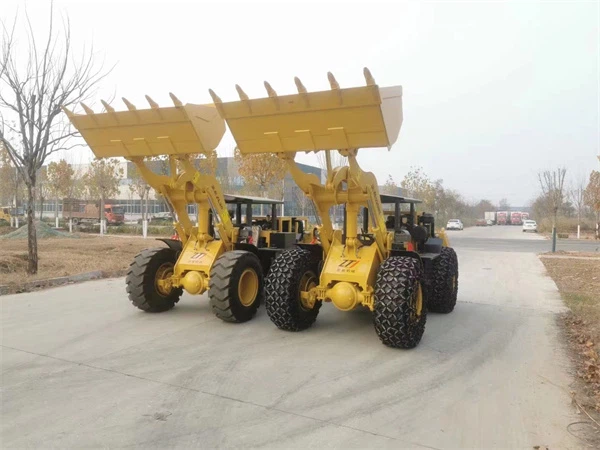
There are different types of explosion-proof loaders available in the market, such as Coal Mining Wheel Loader, Rubber Wheel Truck, and other Coal Mining Machinery. Each type has its own set of requirements and standards for explosion-proof performance.
Visual Inspection
The first step in checking the explosion-proof performance of an explosion-proof loader is a visual inspection. This is a quick and easy way to spot any obvious issues or damage that could affect the loader's safety.
- Check the Enclosures: Look at all the enclosures on the loader, including the motor, control panels, and electrical components. Make sure they're intact and free from cracks, dents, or other damage. The enclosures are designed to contain any sparks or flames that might occur inside, so any damage could compromise their effectiveness.
- Inspect the Seals: The seals on the enclosures are just as important as the enclosures themselves. Check that they're in good condition and properly installed. A loose or damaged seal could allow explosive gases or dust to enter the enclosure, increasing the risk of an explosion.
- Look for Signs of Wear and Tear: Over time, the explosion-proof components on the loader can wear out. Check for signs of wear, such as corrosion, rust, or frayed wires. These issues can weaken the explosion-proof protection and should be addressed as soon as possible.
Electrical System Check
The electrical system is one of the most critical parts of an explosion-proof loader, as it can generate sparks or heat that could ignite explosive materials. Here's what you need to check:
- Test the Electrical Connections: Make sure all the electrical connections are tight and secure. Loose connections can cause arcing, which is a major fire and explosion hazard. Use a multimeter to test the continuity of the connections and check for any signs of damage or corrosion.
- Check the Grounding System: A proper grounding system is essential for preventing static electricity buildup and ensuring the safety of the loader. Check that the grounding wires are connected correctly and that there's no damage or corrosion. You can use a grounding tester to verify the grounding resistance.
- Inspect the Electrical Components: Look at all the electrical components on the loader, such as the motors, switches, and relays. Make sure they're rated for use in hazardous environments and that they're functioning properly. Any malfunctioning components should be replaced immediately.
Ignition Protection Check
In addition to the electrical system, there are other potential sources of ignition on an explosion-proof loader, such as the engine and the exhaust system. Here's how to check these components:
- Inspect the Engine: The engine is a major source of heat and combustion on the loader. Check that it's properly maintained and that there are no leaks or malfunctions. Make sure the air intake and exhaust systems are clear of debris and that the exhaust gases are properly vented.
- Check the Exhaust System: The exhaust system can also generate high temperatures and sparks. Inspect the exhaust pipes and mufflers for any signs of damage or blockages. Make sure the exhaust is directed away from any potential sources of ignition.
- Look for Other Ignition Sources: There may be other potential sources of ignition on the loader, such as the hydraulic system or the lighting. Check these components to make sure they're safe and that there are no potential hazards.
Pressure and Temperature Checks
Explosion-proof loaders are designed to operate within specific pressure and temperature ranges. Exceeding these limits can increase the risk of an explosion. Here's how to check the pressure and temperature:
- Monitor the Pressure Gauges: Most explosion-proof loaders are equipped with pressure gauges that indicate the pressure in the hydraulic system, the fuel system, and other critical components. Check these gauges regularly to make sure the pressure is within the normal range.
- Check the Temperature Sensors: The temperature sensors on the loader can help you monitor the temperature of the engine, the electrical components, and other critical parts. Make sure the temperature sensors are functioning properly and that the temperatures are within the safe range.
- Look for Signs of Overheating: Overheating can be a sign of a serious problem with the loader. Look for signs of overheating, such as smoke, steam, or a burning smell. If you notice any of these signs, stop the loader immediately and investigate the cause.
Performance Testing
In addition to the visual inspection and component checks, it's also important to perform performance testing on the explosion-proof loader. This will help you ensure that the loader is operating safely and effectively in a hazardous environment.
- Conduct a Load Test: A load test involves operating the loader under normal working conditions with a full load. This will help you check the performance of the engine, the hydraulic system, and other critical components. Make sure the loader can handle the load without any issues.
- Test the Safety Features: The explosion-proof loader should be equipped with a variety of safety features, such as emergency stop buttons, fire suppression systems, and gas detectors. Test these safety features to make sure they're functioning properly.
- Monitor the Loader's Operation: During the performance testing, monitor the loader's operation closely. Look for any abnormal noises, vibrations, or other signs of trouble. If you notice any issues, stop the loader immediately and investigate the cause.
Documentation and Certification
Finally, it's important to keep accurate documentation of all the checks and tests you perform on the explosion-proof loader. This documentation can help you demonstrate compliance with safety regulations and standards, and it can also be useful for troubleshooting and maintenance.
- Keep a Maintenance Log: Maintain a detailed maintenance log that records all the inspections, repairs, and tests you perform on the loader. Include the date, the type of inspection or test, and the results.
- Verify the Certification: Make sure the explosion-proof loader has the appropriate certification for use in hazardous environments. This certification should be issued by a recognized testing laboratory and should be valid for the specific type of environment in which the loader will be used.
- Stay Up-to-Date with Regulations: Safety regulations and standards for explosion-proof loaders can change over time. Stay up-to-date with the latest regulations and make sure your loader is compliant.
Conclusion
Checking the explosion-proof performance of an explosion-proof loader is a critical task that requires careful attention to detail. By following the steps outlined in this blog, you can ensure that your loader is operating safely and effectively in a hazardous environment. Remember to perform regular inspections and maintenance, keep accurate documentation, and stay up-to-date with the latest safety regulations.
If you're in the market for an explosion-proof loader or have any questions about explosion-proof performance, feel free to reach out to us. We're here to help you find the right loader for your needs and ensure that it meets all the necessary safety standards.
References
- International Electrotechnical Commission (IEC). Explosion protection standards for electrical equipment in hazardous areas.
- National Fire Protection Association (NFPA). Codes and standards for fire and explosion prevention in industrial facilities.
- Manufacturer's manuals and specifications for explosion-proof loaders.