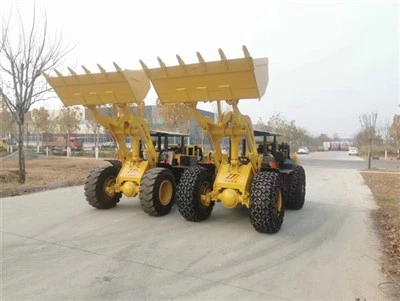
Selecting the right rubber wheel truck for your business is a pivotal decision that can significantly impact your operations' efficiency, productivity, and bottom line. As a seasoned rubber wheel truck supplier, I understand the complexities involved in this choice and am here to guide you through the process. In this blog, I'll share valuable insights and considerations to help you make an informed decision tailored to your specific business needs.
Understanding Your Business Requirements
Before diving into the world of rubber wheel trucks, it's essential to have a clear understanding of your business requirements. Consider the following factors:
1. Application and Usage
- Industry: Different industries have unique demands for rubber wheel trucks. For example, in the mining industry, you might require heavy-duty trucks capable of transporting large volumes of materials in rugged terrains. Check out our Explosion-proof Loader and Mine Wide Body Vehicle for mining applications.
- Tasks: Determine the specific tasks the truck will perform, such as loading, unloading, transporting, or towing. This will help you identify the appropriate truck type and features.
2. Load Capacity
- Payload: Calculate the maximum weight the truck needs to carry on a regular basis. Ensure that the truck you choose has a sufficient payload capacity to handle your workload without overloading.
- Volume: Consider the volume of the materials you'll be transporting. Some trucks may have higher payload capacities but limited cargo space, while others may offer more volume but lower weight capacities.
3. Operating Environment
- Terrain: Evaluate the terrain where the truck will operate. If it's rough, uneven, or off-road, you'll need a truck with good ground clearance, four-wheel drive, and durable tires. Our Explosion-proof Trackless Rubber Wheel Vehicle is designed for challenging terrains.
- Weather Conditions: Take into account the weather conditions in your area. Extreme temperatures, rain, snow, or dust can affect the truck's performance and durability. Choose a truck with appropriate features, such as a climate-controlled cabin or a sealed engine compartment.
4. Budget
- Purchase Price: Set a realistic budget for the truck purchase. Consider the upfront cost, as well as any additional expenses, such as taxes, registration, and insurance.
- Operating Costs: Factor in the long-term operating costs, including fuel, maintenance, repairs, and replacement parts. A more expensive truck may have lower operating costs in the long run, so it's important to consider the total cost of ownership.
Types of Rubber Wheel Trucks
There are several types of rubber wheel trucks available, each designed for specific applications and industries. Here are some common types:
1. Forklifts
- Description: Forklifts are used for lifting and moving heavy loads in warehouses, distribution centers, and manufacturing facilities. They come in various sizes and capacities, with different types of forks and attachments available.
- Advantages: Forklifts are highly maneuverable, allowing you to navigate tight spaces and narrow aisles. They can also lift loads to significant heights, making them ideal for stacking and storing goods.
- Disadvantages: Forklifts have a limited range and are typically used for indoor applications. They also require a trained operator to ensure safe and efficient operation.
2. Dump Trucks
- Description: Dump trucks are used for transporting and unloading loose materials, such as dirt, gravel, sand, and construction debris. They have a hydraulic system that allows the truck bed to be tilted and emptied.
- Advantages: Dump trucks are versatile and can be used in a variety of industries, including construction, mining, and agriculture. They can quickly and efficiently unload large volumes of materials, reducing labor costs and time.
- Disadvantages: Dump trucks are heavy and require a large amount of space to maneuver. They also have a limited payload capacity compared to other types of trucks.
3. Flatbed Trucks
- Description: Flatbed trucks have a flat, open bed that can be used for transporting a wide range of goods, including machinery, equipment, building materials, and vehicles. They are often used in the transportation and logistics industry.
- Advantages: Flatbed trucks offer a large and flexible cargo area, allowing you to transport oversized or irregularly shaped items. They are also easy to load and unload, making them a popular choice for many businesses.
- Disadvantages: Flatbed trucks do not provide any protection for the cargo from the elements or theft. They also require additional securing methods, such as straps or chains, to prevent the cargo from shifting during transportation.
4. Refrigerated Trucks
- Description: Refrigerated trucks, also known as reefers, are used for transporting perishable goods, such as food, pharmaceuticals, and flowers. They have a temperature-controlled compartment that keeps the cargo at a specific temperature.
- Advantages: Refrigerated trucks ensure the quality and safety of perishable goods during transportation. They are essential for businesses that deal with sensitive products and need to maintain strict temperature control.
- Disadvantages: Refrigerated trucks are more expensive to purchase and operate than regular trucks. They also require regular maintenance and servicing to ensure the proper functioning of the refrigeration system.
Evaluating Truck Features and Specifications
Once you've identified the type of rubber wheel truck that best suits your business needs, it's time to evaluate the specific features and specifications of the trucks you're considering. Here are some important factors to look for:
1. Engine Performance
- Power and Torque: The engine's power and torque determine the truck's ability to carry heavy loads and operate in challenging conditions. Choose an engine with sufficient power and torque for your specific application.
- Fuel Efficiency: Consider the truck's fuel efficiency to minimize operating costs. Look for engines that use advanced technologies, such as direct injection or turbocharging, to improve fuel economy.
2. Transmission
- Manual or Automatic: Decide whether you prefer a manual or automatic transmission. Manual transmissions offer more control and can be more fuel-efficient, but they require more skill and effort to operate. Automatic transmissions are easier to use and provide smoother shifting, but they may be less fuel-efficient.
- Number of Gears: The number of gears in the transmission affects the truck's performance and fuel efficiency. More gears generally provide better acceleration and fuel economy, but they may also increase the complexity and cost of the transmission.
3. Suspension and Brakes
- Suspension System: A good suspension system is essential for a smooth and comfortable ride, as well as for protecting the truck and its cargo from damage. Look for a suspension system that can handle the weight of the load and provide good stability on different terrains.
- Brake System: The brake system is crucial for the safety of the truck and its occupants. Choose a truck with a reliable and efficient brake system, such as disc brakes or air brakes, depending on the truck's size and weight.
4. Tires
- Tire Size and Type: The tire size and type should be appropriate for the truck's weight, load capacity, and operating environment. Choose tires with good traction, durability, and resistance to wear and tear.
- Tire Pressure Monitoring System (TPMS): A TPMS can help you monitor the tire pressure and ensure that the tires are properly inflated. This can improve fuel efficiency, reduce tire wear, and enhance safety.
5. Cab Comfort and Safety
- Ergonomics: Look for a truck with a comfortable and ergonomic cab design. The seats should be adjustable, and the controls should be within easy reach. A well-designed cab can reduce driver fatigue and improve productivity.
- Safety Features: Consider the truck's safety features, such as airbags, anti-lock brakes (ABS), electronic stability control (ESC), and a backup camera. These features can help prevent accidents and protect the driver and passengers.
Researching and Comparing Truck Brands and Models
Once you have a clear understanding of your business requirements and the features you're looking for, it's time to research and compare different truck brands and models. Here are some tips to help you make an informed decision:
1. Read Reviews and Ratings
- Online Reviews: Read online reviews and ratings from other truck owners and industry experts. This can give you valuable insights into the performance, reliability, and customer satisfaction of different truck brands and models.
- Industry Publications: Look for industry publications and magazines that provide in-depth reviews and comparisons of rubber wheel trucks. These publications can offer unbiased information and expert opinions.
2. Visit Dealerships and Test Drive
- Dealership Visits: Visit local truck dealerships to see the trucks in person and talk to the sales representatives. They can provide you with detailed information about the trucks' features, specifications, and pricing.
- Test Drives: Take the trucks for a test drive to experience their performance and handling firsthand. This can help you determine if the truck is comfortable, easy to operate, and meets your expectations.
3. Compare Prices and Financing Options
- Price Quotes: Get price quotes from multiple dealerships to compare the prices of different truck brands and models. Make sure to consider the total cost of ownership, including the purchase price, operating costs, and financing options.
- Financing Options: Explore different financing options, such as loans, leases, or financing programs offered by the dealership or a third-party lender. Compare the interest rates, terms, and conditions to find the best financing solution for your business.
Making the Final Decision
After conducting thorough research and comparing different truck brands and models, it's time to make the final decision. Here are some factors to consider when making your choice:
1. Compatibility with Your Business Needs
- Functionality: Ensure that the truck you choose meets your specific business requirements in terms of application, load capacity, operating environment, and budget.
- Scalability: Consider the future growth and expansion of your business. Choose a truck that can be easily upgraded or modified to accommodate your changing needs.
2. Reputation and Reliability
- Brand Reputation: Choose a truck brand with a good reputation for quality, reliability, and customer service. A reputable brand is more likely to provide you with a reliable and durable truck, as well as excellent after-sales support.
- Reliability: Look for a truck with a proven track record of reliability and low maintenance costs. Read reviews and ratings from other truck owners to get an idea of the truck's reliability and performance.
3. Total Cost of Ownership
- Purchase Price: While the purchase price is an important factor, it's not the only one to consider. Factor in the long-term operating costs, including fuel, maintenance, repairs, and replacement parts, to determine the total cost of ownership.
- Resale Value: Consider the truck's resale value when making your decision. A truck with a high resale value can help you recoup some of your investment when it's time to replace it.
Contact Us for More Information
Choosing the right rubber wheel truck for your business is a complex decision that requires careful consideration of your specific needs and requirements. As a leading rubber wheel truck supplier, we have the expertise and experience to help you find the perfect truck for your business. Whether you're looking for forklifts, dump trucks, flatbed trucks, or refrigerated trucks, we have a wide range of options to choose from.
If you have any questions or need further assistance, please don't hesitate to contact us. Our team of experts is ready to provide you with detailed information, answer your questions, and help you make an informed decision. We look forward to working with you and helping you take your business to the next level.


References
- "Guide to Choosing the Right Forklift for Your Business." Material Handling Industry of America.
- "Dump Trucks: Types, Uses, and Considerations." Construction Equipment Guide.
- "Flatbed Trucks: Everything You Need to Know." TruckingInfo.com.
- "Refrigerated Trucks: A Complete Guide." FleetOwner.