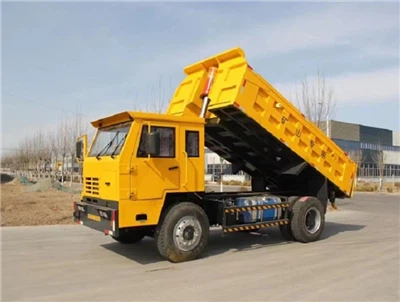
Operating an articulated dump truck safely is of paramount importance in the construction, mining, and other heavy - duty industries. As a supplier of articulated dump trucks, I understand the critical role these vehicles play in various projects, and I'm here to share some essential tips on how to operate them safely.
Pre - operation Checks
Before starting the engine of an articulated dump truck, a thorough pre - operation check is necessary. First, inspect the tires. Check for proper inflation pressure, and look for any signs of damage such as cuts, bulges, or excessive wear. Under - inflated or damaged tires can lead to poor handling, increased fuel consumption, and even tire blowouts, which are extremely dangerous on the job site.
Next, examine the body of the truck. Ensure that there are no cracks or loose parts. Pay special attention to the articulation joint, which allows the truck to bend in the middle. A faulty articulation joint can cause instability and make the truck difficult to control. Check the hydraulic system for leaks as well. Hydraulic fluid leaks can not only lead to a loss of power but also pose a fire hazard.
Inspect the brakes. Test the parking brake to make sure it holds the truck firmly in place. Then, perform a functional check of the service brakes. Listen for any unusual noises or vibrations when applying the brakes, as these could indicate a problem. Also, check the lights, including headlights, taillights, turn signals, and hazard lights. Proper lighting is crucial for visibility, especially when working in low - light conditions or on public roads.
Starting and Moving the Truck
When starting the articulated dump truck, follow the manufacturer's instructions carefully. Make sure the parking brake is engaged and the transmission is in neutral. Once the engine starts, let it warm up for a few minutes. This allows the oil to circulate properly and lubricate all the moving parts.
Before moving the truck, check the mirrors and blind spots. Articulated dump trucks have large blind spots, so it's essential to be aware of your surroundings. Use your mirrors to check for other vehicles, pedestrians, or obstacles. Signal your intentions clearly when starting, turning, or stopping.
When moving the truck, start slowly and smoothly. Avoid sudden acceleration or braking, as this can cause the load to shift and make the truck unstable. Keep a safe distance from other vehicles and objects on the job site. Remember that articulated dump trucks are large and heavy, and they require more time and distance to stop compared to smaller vehicles.
Loading and Unloading
Proper loading is crucial for the safe operation of an articulated dump truck. Overloading the truck can cause excessive stress on the tires, suspension, and other components, increasing the risk of mechanical failure. Follow the manufacturer's recommended load capacity.
When loading the truck, distribute the load evenly. A poorly distributed load can cause the truck to tip over, especially when turning or traveling on uneven terrain. Use a loader or other loading equipment to place the material carefully in the truck bed.
Unloading also requires careful attention. Make sure the truck is parked on a stable and level surface before raising the dump body. Avoid unloading on slopes or soft ground, as this can cause the truck to become unstable. Use the controls to raise the dump body slowly and steadily. Keep an eye on the load as it is being dumped to ensure that it doesn't get stuck or cause the truck to tip.


Driving on Different Terrains
Articulated dump trucks are designed to operate on a variety of terrains, including rough, uneven, and muddy surfaces. When driving on rough terrain, reduce your speed and maintain a firm grip on the steering wheel. The bumps and potholes can cause the truck to bounce and make it difficult to control.
On muddy or slippery surfaces, use the four - wheel drive system if available. This provides better traction and helps prevent the wheels from slipping. Be cautious when turning on these surfaces, as the truck may slide.
When driving on slopes, always drive straight up or down. Avoid turning on slopes, as this can increase the risk of tipping. Use the engine braking system to control your speed when going downhill. Do not ride the brakes continuously, as this can cause them to overheat and lose their effectiveness.
Maintenance and Regular Inspections
Regular maintenance is essential for the safe operation of an articulated dump truck. Follow the manufacturer's maintenance schedule, which typically includes oil changes, filter replacements, and inspections of the engine, transmission, and other components.
In addition to the pre - operation checks, conduct regular inspections of the truck. Look for signs of wear and tear, such as loose bolts, worn - out belts, or leaking hoses. Address any issues promptly to prevent them from becoming major problems.
As a supplier of articulated dump trucks, we also offer a range of related products that can enhance the efficiency and safety of your operations. For example, you might be interested in our Wide Body Diesel Engine Mine Truck, which is designed for heavy - duty mining operations. Our Trackless Personnel Carrier provides a safe and comfortable way to transport workers around the job site. And our Mine Service Truck is equipped with all the necessary tools and equipment to perform maintenance tasks on the spot.
Training and Certification
Proper training is a key factor in ensuring the safe operation of an articulated dump truck. Operators should receive comprehensive training on the truck's controls, features, and safety procedures. This training should cover pre - operation checks, starting and moving the truck, loading and unloading, and driving on different terrains.
In many regions, operators are required to obtain a certification to operate an articulated dump truck. This certification ensures that the operator has the necessary knowledge and skills to operate the vehicle safely. Encourage your operators to obtain the relevant certification and provide ongoing training to keep their skills up - to - date.
Emergency Procedures
Even with all the safety precautions in place, emergencies can still occur. Operators should be familiar with the emergency procedures for the articulated dump truck. This includes knowing how to stop the engine in case of an emergency, how to use the fire extinguisher, and how to evacuate the vehicle safely.
In the event of a breakdown or accident, the operator should follow the proper procedures for notifying the relevant personnel. This may include the supervisor, maintenance team, or emergency services.
Conclusion
Operating an articulated dump truck safely requires a combination of proper pre - operation checks, careful driving techniques, regular maintenance, and operator training. By following these guidelines, you can reduce the risk of accidents and ensure the smooth and efficient operation of your articulated dump truck.
If you're interested in purchasing an articulated dump truck or any of our related products, we invite you to contact us for a detailed discussion. Our team of experts is ready to assist you in finding the right vehicle for your specific needs.
References
- Manufacturer's operation and maintenance manuals for articulated dump trucks.
- Industry safety standards and regulations for heavy - duty vehicles.
- Training materials and courses for articulated dump truck operators.