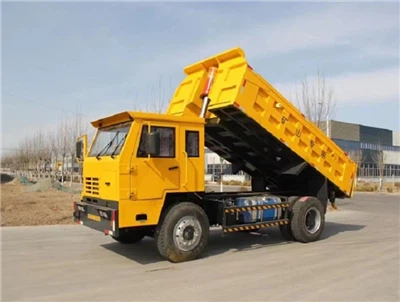
Hey there! As a supplier of explosion - proof loaders, I've had my fair share of experiences when it comes to transporting these heavy - duty machines. In this blog, I'll share some tips and tricks on how to transport an explosion - proof loader safely and efficiently.
First things first, let's talk about why proper transportation is so crucial. Explosion - proof loaders are designed to operate in hazardous environments, such as mines or chemical plants. They're built tough, but they're also expensive and complex pieces of equipment. Any damage during transportation can lead to costly repairs and downtime, not to mention potential safety risks when the loader is put back into service.
Pre - transport Preparations
Before you even think about moving the explosion - proof loader, you need to do a thorough inspection. Check for any loose parts, leaks, or damage that could be exacerbated during transit. Make sure all the safety features, like the explosion - proof enclosures and ventilation systems, are in good working order.
Next, you'll need to gather all the necessary documentation. This includes the loader's manual, maintenance records, and any permits required for transporting hazardous or oversized equipment. Having these documents on hand will not only ensure a smooth transportation process but also help you comply with local regulations.
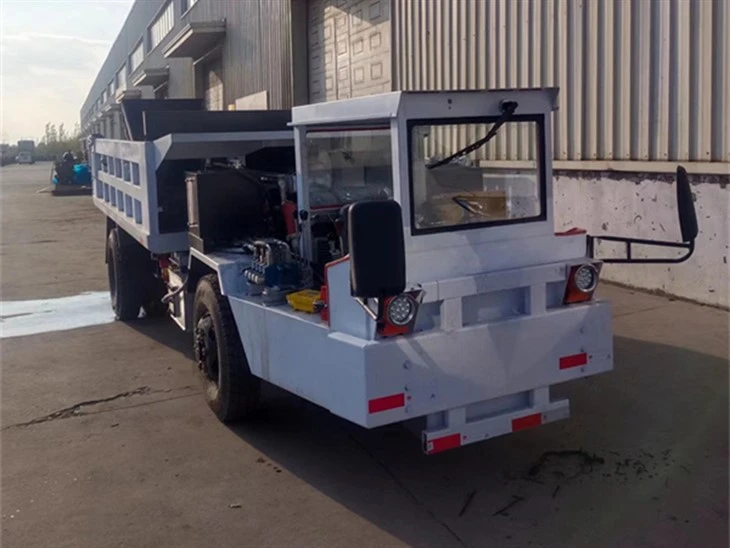
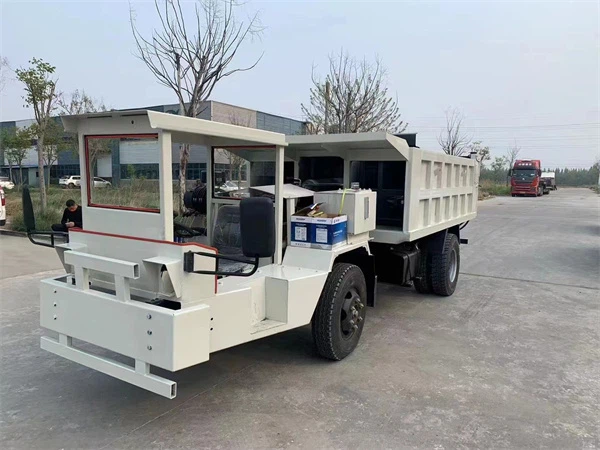
Choosing the Right Transport Method
There are a few different ways to transport an explosion - proof loader, and the method you choose will depend on several factors, such as the distance, the size and weight of the loader, and the terrain.
Road Transport
If you're transporting the loader over a relatively short distance on good roads, road transport is usually the most convenient option. You can use a flatbed truck or a lowboy trailer to carry the loader. Make sure the truck or trailer is rated to handle the weight of the loader and that it has proper tie - down points.
When loading the loader onto the truck or trailer, use a ramp that's long and wide enough to accommodate the loader's size. Drive the loader onto the ramp slowly and carefully, and then secure it using heavy - duty straps or chains. Make sure the straps or chains are tight and that the loader is centered on the trailer to prevent it from shifting during transit.
Rail Transport
For longer distances, rail transport can be a cost - effective and efficient option. Railroads are designed to handle heavy and oversized loads, and they can often provide a more stable ride than road transport. However, rail transport requires more planning and coordination.
You'll need to work with a rail freight company to arrange for the loader to be loaded onto a railcar. The railcar will need to be specifically designed to carry heavy equipment, and it may require special loading and unloading equipment. Make sure you have all the necessary permits and clearances for rail transport, and be prepared for potential delays due to rail schedules and track availability.
Sea Transport
If you're transporting the loader overseas or across large bodies of water, sea transport is the way to go. You can use a container ship or a roll - on/roll - off (RoRo) vessel. Container shipping is more secure and can protect the loader from the elements, but it may require the loader to be disassembled and packed into containers. RoRo vessels allow the loader to be driven on and off the ship, which is more convenient but may expose the loader to the weather.
When shipping by sea, make sure the loader is properly secured and protected from corrosion. You may need to use a marine - grade coating or a protective cover to prevent rust and damage.
Safety Considerations
No matter which transport method you choose, safety should always be your top priority. When transporting an explosion - proof loader, you're dealing with a potentially dangerous piece of equipment, so it's important to take all the necessary precautions.
Securing the Loader
As I mentioned earlier, securing the loader properly is crucial to prevent it from shifting or falling during transit. Use high - quality straps, chains, and tie - down points to keep the loader in place. Make sure the straps and chains are tightened evenly to distribute the weight of the loader evenly.
Protecting the Loader
In addition to securing the loader, you also need to protect it from damage. Use padding or cushioning to prevent scratches and dents, and cover the loader with a tarp or a protective cover to protect it from the elements.
Following Regulations
Make sure you comply with all local, state, and federal regulations when transporting an explosion - proof loader. This includes obtaining the necessary permits, following weight and size restrictions, and using proper safety equipment. Failure to comply with these regulations can result in fines, delays, and even legal issues.
Specialized Equipment and Services
If you're not familiar with transporting explosion - proof loaders, you may want to consider hiring a specialized transportation company. These companies have the experience, equipment, and expertise to handle the transportation of heavy and hazardous equipment safely and efficiently.
They can also provide additional services, such as loading and unloading, customs clearance, and insurance. Using a specialized transportation company can save you time and hassle, and it can give you peace of mind knowing that your loader is in good hands.
Related Products
If you're interested in other types of mining equipment, we also offer Explosion - proof Trackless Rubber Wheel Vehicle, Trackless Rubber Wheel Vehicle, and Trackless Rubber Wheel Shuttletram. These vehicles are designed to work in conjunction with explosion - proof loaders and can help improve the efficiency and productivity of your mining operations.
Conclusion
Transporting an explosion - proof loader requires careful planning, preparation, and attention to detail. By following the tips and guidelines outlined in this blog, you can ensure that your loader is transported safely and efficiently, minimizing the risk of damage and downtime.
If you're in the market for an explosion - proof loader or need help with transportation, don't hesitate to reach out. We're here to answer your questions and provide you with the best solutions for your needs. Let's work together to keep your mining operations running smoothly!
References
- Mining Equipment Handbook
- Transportation Regulations for Hazardous and Oversized Equipment