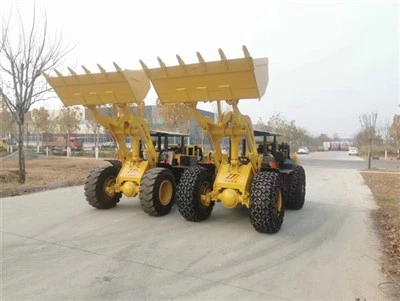
Hey there! As a supplier of mucking loaders, I've been getting a lot of questions from customers about how to adjust the working parameters of these machines. So, I thought I'd put together this blog post to share some tips and insights.
First off, let's talk about why adjusting the working parameters of a mucking loader is so important. You see, these machines are used in a variety of different environments and applications, and the optimal settings can vary depending on factors like the type of material being loaded, the size of the workspace, and the specific requirements of the job. By adjusting the parameters correctly, you can improve the efficiency, productivity, and safety of your mucking loader, which can ultimately save you time and money.
Now, let's dive into the specific parameters that you might need to adjust on your mucking loader.
1. Loading Capacity
The loading capacity of a mucking loader refers to the amount of material it can handle in a single cycle. This parameter is crucial because it directly affects the productivity of the machine. If the loading capacity is set too low, you'll have to make more trips to empty the loader, which can slow down the overall process. On the other hand, if it's set too high, the loader might struggle to handle the load, leading to potential breakdowns or safety issues.
To adjust the loading capacity, you'll typically need to look at the controls on the mucking loader. Some models allow you to adjust the size of the bucket or the speed at which the material is loaded. You might also need to consider the type of material you're working with. For example, if you're dealing with heavy or dense materials, you might need to reduce the loading capacity to prevent overloading the machine.
2. Travel Speed
The travel speed of the mucking loader is another important parameter. It determines how quickly the machine can move around the worksite, which can have a big impact on productivity. If the travel speed is too slow, it can take a long time to get the loader from one location to another, especially in large work areas. However, if it's too fast, it can be difficult to control the machine, increasing the risk of accidents.
Most mucking loaders have a speed control mechanism that allows you to adjust the travel speed. You'll want to find a balance that suits the specific conditions of your worksite. For example, if the ground is uneven or there are a lot of obstacles, you might need to slow down the travel speed to ensure safe operation.
3. Arm Reach and Angle
The reach and angle of the loader's arm are also key parameters. The arm reach determines how far the loader can extend to pick up materials, while the angle affects the efficiency of the loading process. If the arm reach is too short, you might not be able to reach all the materials you need to load. Conversely, if it's too long, it can be more difficult to control the arm and might increase the risk of collisions.
Adjusting the arm reach and angle usually involves using the controls on the mucking loader. You can typically extend or retract the arm and adjust its angle to optimize the loading process. It's important to take into account the layout of the worksite and the location of the materials when making these adjustments.
4. Bucket Width and Shape
The width and shape of the bucket can also have a significant impact on the performance of the mucking loader. A wider bucket can pick up more material at once, increasing the loading capacity. However, it might also be more difficult to maneuver in tight spaces. The shape of the bucket can also affect how well it picks up and holds the material.
Some mucking loaders allow you to change the bucket to suit different applications. If you're working in a narrow tunnel, for example, you might want to use a narrower bucket to improve maneuverability. On the other hand, if you're dealing with a large volume of loose material, a wider bucket might be more appropriate.
5. Hydraulic Pressure
The hydraulic system is what powers many of the functions of the mucking loader, including the movement of the arm and the operation of the bucket. Adjusting the hydraulic pressure can affect the speed and force of these movements. If the hydraulic pressure is too low, the loader might not be able to perform its tasks effectively. If it's too high, it can put unnecessary stress on the hydraulic components, leading to potential damage.
To adjust the hydraulic pressure, you'll usually need to use a pressure gauge and a control valve. It's important to follow the manufacturer's instructions when making these adjustments to ensure that you don't damage the hydraulic system.


Tips for Adjusting the Parameters
Now that we've covered the main parameters, here are some general tips to keep in mind when adjusting the working parameters of your mucking loader:
- Read the Manual: The first step is to read the operator's manual for your mucking loader. It will provide detailed information about how to adjust the various parameters and any specific requirements or limitations of the machine.
- Start Slowly: When making adjustments, it's a good idea to start with small changes and test the machine to see how it performs. This will allow you to fine-tune the settings without making any drastic changes that could cause problems.
- Consider the Environment: The environment in which the mucking loader is operating can have a big impact on the optimal settings. Take into account factors like the temperature, humidity, and the type of terrain when adjusting the parameters.
- Regular Maintenance: Regular maintenance is essential to keep your mucking loader in good working condition. Make sure to check the hydraulic fluid levels, lubricate the moving parts, and inspect the machine for any signs of wear or damage.
Our Mucking Loader Products
At our company, we offer a wide range of mucking loaders to suit different needs and applications. Whether you're working in an underground tunnel or a large open pit, we have the right machine for you.
Check out our Underground Tunnel Mucking Loader, which is specifically designed for use in narrow and confined spaces. It's highly maneuverable and can handle a variety of materials, making it ideal for tunnel construction projects.
If you're looking for a more heavy-duty option, our Crawler Type Slag Scraper is a great choice. It has a powerful crawler system that allows it to move easily over rough terrain, and it can handle large volumes of slag and other materials.
And for those who need a high-capacity loader, our 150Mucking Loader is the perfect solution. It has a large loading capacity and can work efficiently in a variety of environments.
Contact Us for Purchase and Negotiation
If you're interested in purchasing a mucking loader or have any questions about adjusting the working parameters, don't hesitate to contact us. Our team of experts is always ready to help you find the right machine for your needs and provide you with the support and guidance you need to get the most out of it.
We look forward to hearing from you and working together to meet your mucking loader requirements.
References
- Manufacturer's manuals for mucking loaders
- Industry best practices for mucking loader operation and maintenance