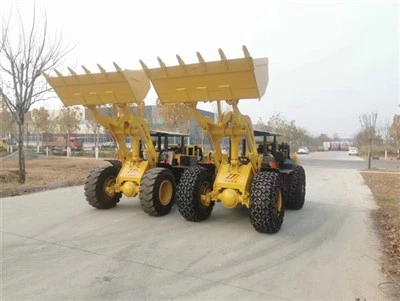
When it comes to underground loaders, safety and efficiency are of utmost importance. One crucial aspect that can significantly enhance both is the installation of backup cameras. As a leading supplier of underground loaders, I understand the diverse needs of our customers and the importance of providing comprehensive solutions. In this blog post, I will explore the various backup camera options available for underground loaders, highlighting their features, benefits, and considerations.
Why Backup Cameras are Essential for Underground Loaders
Underground mining environments are inherently challenging, with limited visibility, tight spaces, and heavy traffic. Operating an underground loader in such conditions can be extremely hazardous, especially when it comes to reversing. Backup cameras play a vital role in improving safety by providing operators with a clear view of the area behind the loader, reducing the risk of collisions with other vehicles, equipment, or personnel.
In addition to safety, backup cameras can also enhance operational efficiency. By eliminating blind spots and providing real-time visual feedback, operators can maneuver the loader more confidently and precisely, reducing the time spent on reversing and improving overall productivity.
Types of Backup Cameras for Underground Loaders
There are several types of backup cameras available for underground loaders, each with its own set of features and benefits. Here are some of the most common options:
1. Standard Rearview Cameras
Standard rearview cameras are the most basic type of backup camera. They are typically mounted at the rear of the loader and provide a wide-angle view of the area behind the vehicle. These cameras are relatively inexpensive and easy to install, making them a popular choice for many underground mining operations.
2. Panoramic Cameras
Panoramic cameras offer a 360-degree view of the loader's surroundings, providing operators with a comprehensive view of the area. These cameras are typically mounted on the roof of the loader and use multiple lenses to capture a wide field of view. Panoramic cameras are more expensive than standard rearview cameras but offer significantly improved visibility, making them ideal for large underground loaders or operations with high traffic volumes.
3. Thermal Imaging Cameras
Thermal imaging cameras use infrared technology to detect heat signatures, allowing operators to see in complete darkness or low-light conditions. These cameras are particularly useful in underground mining environments, where visibility can be severely limited due to dust, smoke, or lack of lighting. Thermal imaging cameras are more expensive than standard rearview cameras but offer superior performance in challenging conditions.
4. Wireless Cameras
Wireless cameras eliminate the need for cables, making them easier to install and more flexible in terms of placement. These cameras use Wi-Fi or Bluetooth technology to transmit video signals to a monitor inside the loader's cab. Wireless cameras are a convenient option for underground loaders, as they can be easily moved or repositioned as needed.
Features to Consider When Choosing a Backup Camera
When choosing a backup camera for an underground loader, there are several features to consider to ensure that you select the right camera for your needs. Here are some of the most important features to look for:
1. Image Quality
The image quality of the backup camera is crucial, as it determines how clearly you can see the area behind the loader. Look for cameras with high-resolution sensors and wide-angle lenses to ensure a clear and comprehensive view.
2. Night Vision
In underground mining environments, visibility can be severely limited at night or in low-light conditions. Look for cameras with built-in night vision capabilities, such as infrared LEDs or thermal imaging technology, to ensure that you can see clearly in the dark.
3. Durability
Underground mining environments are harsh and demanding, so it's important to choose a backup camera that is durable and can withstand the rigors of the job. Look for cameras that are waterproof, dustproof, and shockproof, and that are designed to operate in extreme temperatures.
4. Compatibility
Make sure that the backup camera you choose is compatible with your underground loader's make and model. Some cameras may require additional hardware or software to operate, so it's important to check the compatibility before making a purchase.
5. Ease of Installation
Choose a backup camera that is easy to install and does not require extensive modifications to your underground loader. Some cameras come with pre-wired cables and mounting brackets, making them easy to install yourself.
Benefits of Using Backup Cameras on Underground Loaders
Using backup cameras on underground loaders offers several benefits, including:


1. Improved Safety
Backup cameras provide operators with a clear view of the area behind the loader, reducing the risk of collisions with other vehicles, equipment, or personnel. This can help to prevent accidents and injuries, making the workplace safer for everyone.
2. Increased Efficiency
By eliminating blind spots and providing real-time visual feedback, backup cameras allow operators to maneuver the loader more confidently and precisely, reducing the time spent on reversing and improving overall productivity.
3. Reduced Maintenance Costs
Backup cameras can help to prevent collisions and damage to the loader, reducing the need for costly repairs and maintenance. This can help to save money in the long run and improve the lifespan of the equipment.
4. Compliance with Regulations
Many underground mining operations are subject to strict safety regulations, which may require the use of backup cameras on certain types of equipment. By installing backup cameras on your underground loaders, you can ensure compliance with these regulations and avoid potential fines or penalties.
Conclusion
Backup cameras are an essential safety feature for underground loaders. They provide operators with a clear view of the area behind the loader, reducing the risk of collisions and improving overall safety and efficiency. When choosing a backup camera for your underground loader, consider the type of camera, features, and benefits that are most important to your needs. As a leading supplier of underground loaders, we offer a wide range of backup camera options to meet the diverse needs of our customers. If you're interested in learning more about our backup camera solutions or other underground loader products, please [contact us] to discuss your requirements and explore the options available.
In addition to backup cameras, we also offer a range of other underground mining equipment, including 3 Cubic Meter Concrete Mixer Truck, 20 Tons Mining Transport Truck, and Wide Body Diesel Engine Mine Truck. These products are designed to meet the specific needs of underground mining operations, providing reliable performance and durability in challenging conditions.
References
- Mining Safety and Health Administration (MSHA). (n.d.). Safety standards for underground coal mines. Retrieved from [MSHA website]
- International Organization for Standardization (ISO). (n.d.). ISO standards for mining equipment safety. Retrieved from [ISO website]
- Society of Automotive Engineers (SAE). (n.d.). SAE standards for vehicle backup cameras. Retrieved from [SAE website]