When it comes to the transportation industry, especially for transport trucks, understanding the legal height and width limits is crucial. As a supplier of transport trucks, I've witnessed firsthand the impact these regulations have on both operators and the market. In this blog, I'll delve into the legal height and width limits for transport trucks, explaining why they exist and how they affect the industry.
Why Are There Height and Width Limits?
The primary reason for setting height and width limits for transport trucks is safety. Taller and wider trucks can pose significant risks on the road. For example, a truck that is too tall may have a higher center of gravity, making it more prone to tipping over, especially when taking sharp turns or in high - wind conditions. A wider truck may encroach on adjacent lanes, increasing the risk of collisions with other vehicles.
Moreover, infrastructure plays a key role. Bridges, tunnels, and overpasses are designed with specific clearances in mind. If trucks exceed these height limits, they can cause serious damage to the infrastructure, leading to costly repairs and disruptions to traffic. Similarly, width limits ensure that trucks can safely navigate through roads, intersections, and loading areas without causing congestion or damage to surrounding structures.
Legal Height Limits
Height limits for transport trucks vary from country to country and even from state to state within a country. In the United States, for example, the general maximum height limit for trucks is 13 feet 6 inches (4.11 meters). However, some states may have different regulations. For instance, certain mountainous regions or areas with low - clearance bridges may have lower height limits to ensure the safety of both the truck and the infrastructure.
In Europe, the situation is also diverse. The European Union has a standard maximum height of 4 meters for trucks in most cases. But individual countries may deviate from this standard based on their own infrastructure and safety requirements. For example, the Netherlands has a height limit of 4 meters, while some Scandinavian countries may have slightly different regulations due to their unique geographical and infrastructural characteristics.
It's important for truck operators to be aware of these height limits, especially when planning long - distance trips. Ignoring height limits can result in fines, damage to the truck and infrastructure, and even endanger the lives of the driver and other road users.
Legal Width Limits
Similar to height limits, width limits for transport trucks are also subject to variation. In the United States, the standard maximum width for a truck is generally 8 feet 6 inches (2.59 meters). This limit allows trucks to safely navigate through most roads and intersections without causing excessive congestion. However, there are exceptions. Some states may allow wider loads, such as those for oversized or special - purpose vehicles, but these require special permits.
In Europe, the standard maximum width for trucks is 2.55 meters. This limit is set to ensure that trucks can operate safely on European roads while also taking into account the design of the infrastructure. Just like in the US, special permits may be required for wider loads.

Impact on the Transport Truck Industry
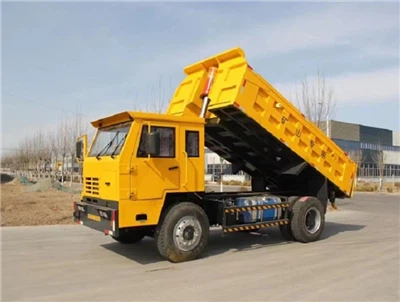
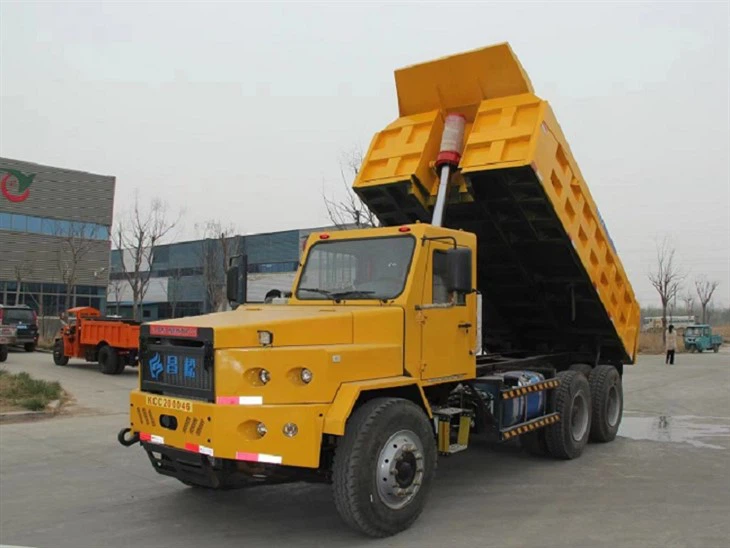
These legal height and width limits have a profound impact on the transport truck industry. For manufacturers like us, we need to design and build trucks that comply with these regulations. This means that our Mechanical Transport Vehicle and Three Wheel Mining Truck models are carefully engineered to meet the height and width requirements of different markets.
For truck operators, the limits can affect their business operations. They need to carefully plan their routes to ensure compliance with the regulations. This may involve avoiding certain roads or taking longer routes, which can increase transportation costs and delivery times. Additionally, if they need to transport oversized or overweight loads, they have to go through the complex process of obtaining special permits, which can be time - consuming and expensive.
On the other hand, these regulations also promote safety and standardization in the industry. They ensure that all trucks on the road are operating within a safe range, reducing the risk of accidents and damage to infrastructure. This creates a more stable and reliable transportation environment for everyone involved.
Special Considerations for Different Types of Transport Trucks
Different types of transport trucks may have different considerations when it comes to height and width limits. For example, 25 Tons Mining Transport Truck are often used in mining areas where the infrastructure and regulations may be different from public roads. In mining operations, the trucks may need to navigate through narrow tunnels or operate in areas with specific height and width restrictions. Therefore, these trucks are designed to meet the unique requirements of the mining environment.
Another example is flatbed trucks, which are commonly used for transporting large and bulky items. These trucks may need to be more carefully designed to ensure that they can carry the load within the legal height and width limits. Sometimes, special loading techniques or equipment may be required to achieve this.
Adapting to the Regulations
As a transport truck supplier, we play a crucial role in helping our customers adapt to these regulations. We provide detailed information about the height and width limits of our trucks to our customers, ensuring that they are fully aware of the legal requirements before making a purchase. We also offer customization services to meet the specific needs of different markets and applications.
For example, if a customer in a region with low - clearance bridges needs a truck, we can design and build a truck with a lower height while still maintaining its performance and capacity. This way, our customers can operate their trucks safely and legally without sacrificing efficiency.
The Future of Height and Width Regulations
As the transportation industry continues to evolve, so do the regulations regarding height and width limits. With the development of new technologies, such as autonomous trucks and more efficient transportation systems, there may be a need to re - evaluate these regulations. For example, autonomous trucks may be able to operate more safely within different height and width parameters, leading to potential changes in the regulations.
In addition, the increasing focus on sustainable transportation may also influence the regulations. For instance, new types of trucks powered by alternative fuels may have different design requirements, which could impact the height and width limits.
Conclusion
In conclusion, understanding the legal height and width limits for transport trucks is essential for everyone involved in the transportation industry. These limits are in place to ensure safety, protect infrastructure, and promote standardization. As a transport truck supplier, we are committed to providing our customers with trucks that comply with these regulations while also meeting their specific needs.
If you are interested in purchasing transport trucks and need more information about our products and how they comply with the height and width regulations, please feel free to contact us. We are always ready to have a detailed discussion with you and help you find the best solution for your transportation needs.
References
- "Transportation Regulations in the United States," US Department of Transportation
- "European Union Road Transport Regulations," European Commission
- "Truck Design and Safety Standards," International Truck and Bus Manufacturers Association