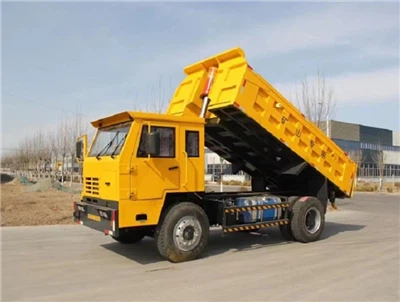
Hey there! As a supplier of underground loaders, I've seen firsthand how crucial proper lubrication is for these beasts of machines. In this blog, I'll break down the lubrication requirements for an underground loader, so you can keep your equipment running smoothly and efficiently.
First off, let's talk about why lubrication is so important. Underground loaders operate in some of the toughest conditions imaginable. They're exposed to dirt, dust, moisture, and extreme temperatures on a daily basis. Without proper lubrication, the moving parts of the loader can wear down quickly, leading to costly repairs and downtime. Lubrication helps to reduce friction between the parts, which in turn reduces wear and tear, extends the lifespan of the equipment, and improves overall performance.
Now, let's dive into the specific lubrication requirements for different components of an underground loader.
Engine Lubrication
The engine is the heart of the underground loader, and it needs to be properly lubricated to function at its best. Engine oil is the lifeblood of the engine, and it serves several important functions. It lubricates the moving parts, such as the pistons, crankshaft, and camshaft, to reduce friction and prevent wear. It also helps to cool the engine by carrying heat away from the hot components. Additionally, engine oil acts as a sealant, preventing leaks and keeping contaminants out of the engine.
When choosing an engine oil for your underground loader, it's important to consider the manufacturer's recommendations. Different engines have different requirements, so make sure you use the oil that is specifically designed for your loader's engine. You should also pay attention to the oil's viscosity, which is a measure of its thickness. The viscosity of the oil will depend on the operating temperature of the engine. In general, a thicker oil is better for high-temperature environments, while a thinner oil is better for cold temperatures.
It's also important to change the engine oil regularly. Over time, the oil can break down and become contaminated with dirt, debris, and other impurities. This can reduce its effectiveness and cause damage to the engine. The frequency of oil changes will depend on the operating conditions of the loader, but as a general rule, you should change the oil every 250 to 500 hours of operation.
Transmission Lubrication
The transmission is responsible for transferring power from the engine to the wheels of the underground loader. It consists of a complex system of gears, shafts, and bearings that need to be properly lubricated to function smoothly. Transmission fluid is used to lubricate these components and prevent wear and tear.
Like engine oil, transmission fluid has several important functions. It lubricates the moving parts, reduces friction, and helps to cool the transmission. It also acts as a hydraulic fluid, allowing the transmission to shift gears smoothly.
When choosing a transmission fluid for your underground loader, it's important to use the fluid that is recommended by the manufacturer. Different transmissions have different requirements, so make sure you use the fluid that is specifically designed for your loader's transmission. You should also pay attention to the fluid's viscosity and type. There are different types of transmission fluids available, such as automatic transmission fluid (ATF) and manual transmission fluid (MTF). Make sure you use the correct type of fluid for your transmission.
It's also important to change the transmission fluid regularly. Over time, the fluid can break down and become contaminated with dirt, debris, and other impurities. This can reduce its effectiveness and cause damage to the transmission. The frequency of fluid changes will depend on the operating conditions of the loader, but as a general rule, you should change the fluid every 1,000 to 2,000 hours of operation.
Hydraulic System Lubrication
The hydraulic system is another important component of the underground loader. It is responsible for powering the loader's lifting, digging, and steering functions. The hydraulic system consists of a pump, valves, cylinders, and hoses, all of which need to be properly lubricated to function correctly.
Hydraulic fluid is used to lubricate the moving parts of the hydraulic system and to transmit power from the pump to the cylinders. It also helps to cool the system and prevent corrosion.
When choosing a hydraulic fluid for your underground loader, it's important to use the fluid that is recommended by the manufacturer. Different hydraulic systems have different requirements, so make sure you use the fluid that is specifically designed for your loader's hydraulic system. You should also pay attention to the fluid's viscosity and type. There are different types of hydraulic fluids available, such as mineral oil-based fluids, synthetic fluids, and biodegradable fluids. Make sure you use the correct type of fluid for your system.
It's also important to change the hydraulic fluid regularly. Over time, the fluid can break down and become contaminated with dirt, debris, and other impurities. This can reduce its effectiveness and cause damage to the hydraulic system. The frequency of fluid changes will depend on the operating conditions of the loader, but as a general rule, you should change the fluid every 1,000 to 2,000 hours of operation.


Final Drive Lubrication
The final drive is the part of the underground loader that connects the transmission to the wheels. It consists of a set of gears and bearings that need to be properly lubricated to function smoothly. Final drive oil is used to lubricate these components and prevent wear and tear.
When choosing a final drive oil for your underground loader, it's important to use the oil that is recommended by the manufacturer. Different final drives have different requirements, so make sure you use the oil that is specifically designed for your loader's final drive. You should also pay attention to the oil's viscosity and type. There are different types of final drive oils available, such as mineral oil-based oils and synthetic oils. Make sure you use the correct type of oil for your final drive.
It's also important to change the final drive oil regularly. Over time, the oil can break down and become contaminated with dirt, debris, and other impurities. This can reduce its effectiveness and cause damage to the final drive. The frequency of oil changes will depend on the operating conditions of the loader, but as a general rule, you should change the oil every 1,000 to 2,000 hours of operation.
Greasing
In addition to using the right oils and fluids, it's also important to grease the moving parts of the underground loader regularly. Grease is a thick, sticky lubricant that is used to lubricate components that are subject to high loads and slow speeds, such as pins, bushings, and joints.
When greasing the loader, make sure you use the right type of grease for the application. Different components have different requirements, so make sure you use the grease that is specifically designed for each component. You should also follow the manufacturer's recommendations for the frequency of greasing. In general, you should grease the loader's moving parts every 25 to 50 hours of operation.
Other Considerations
In addition to the lubrication requirements for the major components of the underground loader, there are a few other things to keep in mind.
- Contamination Control: Contamination is one of the biggest enemies of lubrication. Dirt, dust, moisture, and other impurities can get into the oils and fluids and cause damage to the components. To prevent contamination, make sure you keep the loader clean and dry. You should also use clean, filtered oil and fluid, and make sure you change the filters regularly.
- Temperature Management: Temperature can also have a big impact on the performance of the lubricants. In extreme temperatures, the oils and fluids can become too thick or too thin, which can reduce their effectiveness. To manage the temperature, make sure you use the right type of oil and fluid for the operating conditions. You should also monitor the temperature of the components and take steps to cool them down if necessary.
- Training and Education: Proper lubrication requires knowledge and skill. Make sure you train your operators on the importance of lubrication and how to perform the necessary maintenance tasks. You should also provide them with the right tools and equipment to do the job correctly.
In conclusion, proper lubrication is essential for the performance and longevity of an underground loader. By following the manufacturer's recommendations and using the right oils, fluids, and greases, you can keep your loader running smoothly and efficiently. If you have any questions or need more information about the lubrication requirements for your underground loader, don't hesitate to contact us. We're here to help you get the most out of your equipment.
If you're in the market for an underground loader or other mining equipment, we also offer a range of products, including Wide Body Mining Truck, Three Wheel Mining Truck, and Swift Transportation Mining Trucks. We'd love to have a chat with you about your specific needs and how we can help. Reach out to us, and let's start a conversation about your next mining equipment purchase.
References
- Manufacturer's manuals for underground loaders
- Industry standards and best practices for lubrication in mining equipment