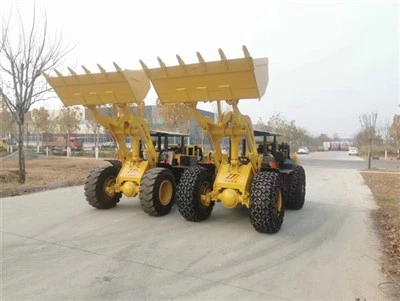
As a seasoned supplier in the mucking loader industry, I've witnessed firsthand the crucial role that lubrication systems play in the efficient and reliable operation of these powerful machines. In this blog, I'll delve into the various lubrication systems used in mucking loaders, their functions, and why they are essential for maintaining optimal performance.
The Importance of Lubrication in Mucking Loaders
Mucking loaders are heavy - duty machines designed to operate in harsh and demanding environments, such as mines and tunneling projects. These conditions expose the machine's moving parts to high levels of friction, wear, and corrosion. Lubrication serves several vital functions in mucking loaders:


- Reducing Friction: Friction between moving parts can generate heat and cause excessive wear. Lubricants create a thin film between surfaces, reducing the contact and thus minimizing friction. This not only extends the lifespan of the components but also improves the overall efficiency of the machine.
- Preventing Wear: By reducing friction, lubrication helps prevent the premature wear of critical parts like gears, bearings, and pistons. This reduces the need for frequent replacements and downtime for maintenance.
- Corrosion Protection: The damp and often corrosive environments in which mucking loaders operate can cause rust and corrosion on metal surfaces. Lubricants act as a barrier, protecting the components from moisture and other corrosive agents.
- Heat Dissipation: Some lubricants have the ability to absorb and transfer heat away from the moving parts. This helps to maintain a stable operating temperature, preventing overheating and potential damage to the machine.
Types of Lubrication Systems in Mucking Loaders
1. Splash Lubrication System
The splash lubrication system is one of the simplest and most common lubrication methods used in mucking loaders. In this system, the moving parts of the machine, such as gears and crankshafts, dip into a reservoir of lubricating oil. As the parts rotate, they splash the oil onto other components, providing lubrication.
- How it Works: In a mucking loader's gearbox, for example, the lower gears are partially submerged in an oil sump. As the gears rotate, they pick up the oil and fling it onto the upper gears and other internal components. This continuous splashing action ensures that all the moving parts are coated with a thin layer of oil.
- Advantages: Splash lubrication is relatively inexpensive and easy to maintain. It requires minimal additional equipment, making it a cost - effective solution for smaller mucking loaders or those with less complex mechanical systems.
- Limitations: However, this system may not provide consistent lubrication to all parts, especially in high - speed or high - load applications. It is also less effective in extreme operating conditions where the oil may not reach all the critical areas.
2. Pressure Lubrication System
The pressure lubrication system is a more advanced and reliable method of lubricating mucking loaders. It uses a pump to deliver lubricating oil under pressure to the various moving parts of the machine.
- How it Works: A gear pump or a vane pump is typically used to draw oil from the oil reservoir and deliver it through a network of passages and pipes to the bearings, gears, and other critical components. The oil is then distributed evenly to ensure proper lubrication. In a mucking loader's engine, for instance, the oil pump delivers oil to the main bearings, connecting rod bearings, and camshaft bearings.
- Advantages: Pressure lubrication provides a more consistent and reliable supply of oil to all the moving parts, even under high - speed and high - load conditions. It can also be used to cool the components by carrying away heat. This system is commonly used in larger and more powerful mucking loaders.
- Limitations: The pressure lubrication system is more complex and expensive than the splash lubrication system. It requires additional components such as pumps, filters, and pressure regulators, which need to be regularly maintained to ensure proper operation.
3. Grease Lubrication System
Grease is a semi - solid lubricant that is commonly used in mucking loaders for components that require long - term lubrication and protection.
- How it Works: Grease is applied to specific components, such as bearings, joints, and seals, using a grease gun or an automatic lubrication system. The grease forms a thick film that adheres to the surfaces, providing long - lasting lubrication and protection against dirt, dust, and moisture.
- Advantages: Grease lubrication is ideal for components that operate at low speeds or in areas where oil may leak or be difficult to contain. It also provides excellent sealing properties, preventing contaminants from entering the components.
- Limitations: Grease has a higher viscosity than oil, which can make it more difficult to distribute evenly. It also needs to be replaced periodically, as it can break down over time and lose its lubricating properties.
Maintenance of Lubrication Systems in Mucking Loaders
Proper maintenance of the lubrication systems is essential to ensure the reliable operation of mucking loaders. Here are some key maintenance practices:
- Regular Oil and Grease Changes: The lubricating oil and grease should be changed at regular intervals according to the manufacturer's recommendations. This helps to remove contaminants and replenish the lubricant's properties.
- Filter Replacement: The oil filters in the pressure lubrication system should be replaced regularly to prevent the buildup of dirt and debris, which can clog the system and reduce the effectiveness of the lubrication.
- Inspection of Lubrication Components: The pumps, hoses, and fittings in the lubrication system should be inspected regularly for leaks, damage, or wear. Any faulty components should be replaced immediately.
- Monitoring of Lubricant Levels: The oil and grease levels should be checked regularly to ensure that there is an adequate supply of lubricant. Low levels can lead to insufficient lubrication and potential damage to the machine.
Conclusion
Lubrication systems are an integral part of mucking loaders, ensuring their smooth operation, longevity, and reliability. Whether it's a simple splash lubrication system or a more complex pressure lubrication system, each type has its own advantages and limitations. As a mucking loader supplier, I understand the importance of providing high - quality lubrication systems and proper maintenance guidance to our customers.
If you're in the market for a mucking loader, we offer a range of reliable machines, including the 150Mucking Loader and the 120 Mucking Loader. Our Mucking Machine is designed to meet the toughest mining and tunneling requirements. If you have any questions or are interested in purchasing a mucking loader, please feel free to contact us for a detailed discussion and personalized solution.
References
- Smith, J. (2018). Handbook of Heavy - Duty Machinery Lubrication. Industrial Press.
- Brown, A. (2020). Lubrication Systems for Mining Equipment. Mining Technology Journal.
- Johnson, R. (2019). Maintenance Best Practices for Mucking Loaders. Construction Machinery Magazine.