When it comes to the automotive industry, wide body cars have always held a special allure. As a supplier of wide body cars, I've had the privilege of delving deep into their various performance aspects, with acceleration being one of the most fascinating areas. In this blog, we'll explore the acceleration performance of wide body cars, understanding the factors that influence it and how it compares to other types of vehicles.
Understanding Wide Body Cars
Wide body cars are characterized by their broader stance compared to standard vehicles. This design feature not only gives them a more aggressive and imposing look but also has significant implications for their performance. The wider body allows for larger wheels and tires, which can provide better grip on the road. Additionally, it can accommodate more powerful engines and advanced suspension systems, all of which contribute to the overall performance of the vehicle, including its acceleration.

Factors Affecting Acceleration Performance
Engine Power
The engine is the heart of any vehicle, and its power output is a crucial factor in determining acceleration performance. Wide body cars often come equipped with high - performance engines that can generate a large amount of horsepower and torque. Horsepower is a measure of the engine's ability to do work over time, while torque is the rotational force that gets the vehicle moving from a standstill. A higher horsepower and torque rating generally result in faster acceleration. For example, a wide body sports car with a turbocharged V8 engine can produce upwards of 500 horsepower, allowing it to accelerate from 0 - 60 mph in just a few seconds.
Weight
Weight is another important factor that affects acceleration. A heavier vehicle requires more energy to get moving and to change its speed. Wide body cars, due to their larger size and additional features, can be heavier than their standard counterparts. However, modern wide body cars are often built using lightweight materials such as carbon fiber and aluminum to offset this weight. These materials reduce the overall mass of the vehicle without sacrificing strength, resulting in improved acceleration performance.
Aerodynamics
Aerodynamics plays a significant role in a vehicle's acceleration. A well - designed wide body car can have a lower drag coefficient, which means it encounters less air resistance as it moves through the air. This allows the engine to use less power to overcome drag, resulting in better acceleration. Wide body cars often feature aerodynamic elements such as spoilers, diffusers, and air dams to optimize their airflow and reduce drag.
Transmission
The transmission of a vehicle is responsible for transferring power from the engine to the wheels. A high - performance transmission can shift gears quickly and smoothly, allowing the engine to operate in its optimal power range. Wide body cars often come with advanced transmissions such as dual - clutch transmissions or sequential manual transmissions, which can provide faster gear changes and better acceleration compared to traditional automatic or manual transmissions.
Comparing Acceleration Performance
When comparing the acceleration performance of wide body cars to other types of vehicles, it's important to consider the intended use of the vehicle. For example, a wide body sports car is designed for high - speed performance and rapid acceleration. These cars can often outperform standard sedans and hatchbacks in terms of 0 - 60 mph times.
On the other hand, wide body trucks and SUVs, while not as focused on pure acceleration as sports cars, still offer respectable performance. These vehicles are often used for towing and hauling, and their acceleration is designed to provide sufficient power for these tasks. For instance, a 20 Tons Mining Transport Truck needs to be able to accelerate smoothly while carrying a heavy load, and its acceleration performance is optimized for this purpose.
Real - World Applications
In real - world driving, the acceleration performance of wide body cars can have several benefits. For sports car enthusiasts, quick acceleration allows for exciting driving experiences, whether it's on a race track or a winding country road. The ability to accelerate rapidly can also be useful in situations such as overtaking other vehicles on the highway.

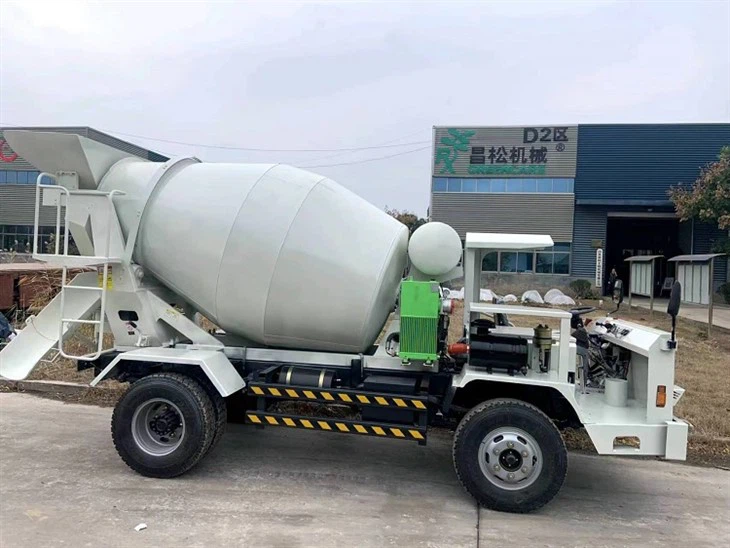
In the commercial sector, wide body trucks like Mining Concrete Mixer Truck and Concrete Mixer Truck For Mining need to be able to move efficiently within a mining site. Good acceleration performance ensures that these vehicles can get to their destinations quickly, improving overall productivity.
Conclusion
The acceleration performance of wide body cars is a complex interplay of various factors, including engine power, weight, aerodynamics, and transmission. As a wide body car supplier, I understand the importance of optimizing these factors to provide customers with vehicles that offer excellent acceleration. Whether you're a performance enthusiast looking for a thrilling driving experience or a commercial operator in need of a reliable workhorse, wide body cars can offer the acceleration performance you require.
If you're interested in learning more about our wide body cars or are considering a purchase, we encourage you to get in touch with us. Our team of experts is ready to assist you in finding the perfect vehicle that meets your needs and preferences. Let's start a conversation and explore the world of wide body cars together!
References
- Automotive Engineering Handbook, various editions
- SAE International Journal of Passenger Cars - Mechanical Systems
- Car and Driver Magazine, multiple issues on performance vehicles