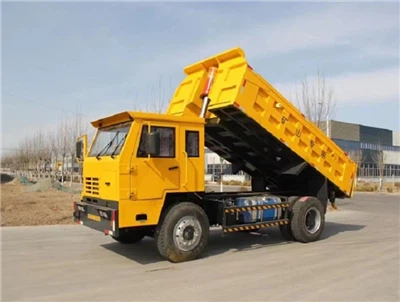
When it comes to the mining industry, the reliability and safety of mining transport trucks are of utmost importance. One crucial component that directly impacts both is the braking system. As a leading supplier of Mining Transport Trucks, I've witnessed firsthand the significance of well - maintained brakes and the implications of replacing them. In this blog, I'll delve into the various costs associated with replacing a mining transport truck's brakes.
Understanding the Types of Mining Transport Trucks
Before we discuss the brake replacement costs, it's essential to understand the different types of mining transport trucks. There are several models in the market, each designed for specific mining operations. For instance, the Mining Drive Vehicle is engineered for efficient movement within large - scale mining sites. Its robust design allows it to carry heavy loads over long distances. On the other hand, the Articulated Dump Truck is more versatile, capable of navigating rough terrains and making sharp turns. The The Transporter is another popular option, known for its high - capacity hauling ability.
Components of the Braking System
A mining transport truck's braking system is a complex assembly of various components. The main parts include brake pads, rotors (or drums), calipers, brake lines, and the master cylinder. Each of these components plays a vital role in ensuring the truck can stop safely and efficiently.
Brake pads are the most commonly replaced part. They are made of friction materials that press against the rotors or drums to create the necessary friction for braking. Over time, the brake pads wear down due to the constant friction, and they need to be replaced regularly. Rotors, on the other hand, are the discs that the brake pads clamp onto. They can also wear out, warp, or crack, especially in heavy - duty mining applications. Calipers are the devices that hold the brake pads and apply pressure to them. Brake lines carry the brake fluid from the master cylinder to the calipers, and any leaks or damage in these lines can compromise the braking system. The master cylinder is the heart of the hydraulic braking system, converting the force from the brake pedal into hydraulic pressure.
Factors Affecting Brake Replacement Costs
1. Type of Truck
As mentioned earlier, different types of mining transport trucks have different braking systems. Larger trucks, such as high - capacity haulers, typically have more substantial and complex braking systems. These systems require larger and more expensive components. For example, the brake pads and rotors for a heavy - duty The Transporter will be significantly larger and more costly than those for a smaller Mining Drive Vehicle.
2. Quality of Components
The quality of the brake components used for replacement also has a significant impact on the cost. High - quality components are often more expensive upfront but can offer better performance, longer lifespan, and greater safety. For instance, premium brake pads made from advanced friction materials may cost more than standard pads, but they can withstand higher temperatures and provide more consistent braking performance. This is especially important in mining operations where trucks are often subjected to heavy loads and extreme conditions.
3. Labor Costs
Labor costs are another major factor in brake replacement. Replacing a mining transport truck's brakes is a complex and time - consuming process. It requires skilled technicians with specialized knowledge of mining truck braking systems. In some remote mining locations, the cost of labor can be particularly high due to the limited availability of qualified workers. Additionally, the time taken to replace the brakes can also affect the overall cost. If the truck is out of service for an extended period, it can result in lost productivity, which is an indirect cost that needs to be considered.
4. Frequency of Replacement
The frequency of brake replacement depends on several factors, including the operating conditions of the truck. Trucks that operate in harsh environments, such as mines with steep slopes or dusty conditions, will experience more wear and tear on their brakes. As a result, they may need to have their brakes replaced more frequently. This means that the long - term cost of maintenance for these trucks will be higher compared to trucks operating in more favorable conditions.
Cost Breakdown
1. Component Costs
- Brake Pads: The cost of brake pads can vary widely depending on the type of truck and the quality of the pads. For a medium - sized mining transport truck, a set of high - quality brake pads can cost anywhere from $500 to $1500. Larger trucks may require more expensive pads, with costs reaching up to $3000 or more per set.
- Rotors: Rotors are also a significant expense. A single rotor for a mining transport truck can cost between $800 and $2500, depending on its size and material. Some high - performance rotors made from advanced alloys can be even more expensive.
- Calipers: Calipers are complex and precision - engineered components. The cost of a new caliper can range from $1000 to $3500 per caliper. Since most trucks have multiple calipers, the total cost for replacing all calipers can be substantial.
- Brake Lines and Master Cylinder: Brake lines and the master cylinder are less commonly replaced but can still add to the overall cost. A set of brake lines can cost around $300 to $800, while a master cylinder can cost between $500 and $1500.
2. Labor Costs
Labor costs for brake replacement can vary depending on the location and the complexity of the job. On average, the labor cost for replacing the brakes on a mining transport truck can range from $1500 to $3500. This includes the time taken to disassemble the old components, install the new ones, and test the braking system.
Total Cost Estimate
Taking into account all the factors mentioned above, the total cost of replacing a mining transport truck's brakes can range from $4000 to $10,000 or more. This is a significant investment, but it is essential for the safety and reliability of the truck.
Preventive Maintenance to Reduce Costs
While brake replacement is inevitable, proper preventive maintenance can help reduce the frequency and cost of replacements. Regular inspections of the braking system can identify potential issues early on, allowing for timely repairs. This can prevent minor problems from turning into major and costly failures.


Maintaining the correct brake fluid level and changing the brake fluid at recommended intervals can also extend the life of the braking components. Additionally, ensuring that the truck is operated within its design limits, such as not overloading it, can reduce the wear and tear on the brakes.
Conclusion
Replacing a mining transport truck's brakes is a costly but necessary part of maintaining the safety and efficiency of mining operations. As a supplier of Mining Transport Trucks, I understand the importance of providing high - quality braking components and reliable maintenance services. By understanding the factors that affect brake replacement costs and implementing preventive maintenance strategies, mining companies can manage these costs more effectively.
If you're in the market for a new mining transport truck or need reliable brake replacement services, I encourage you to reach out for a detailed discussion. We can work together to find the best solutions for your specific needs and budget.
References
- "Mining Equipment Handbook" - A comprehensive guide to various mining equipment, including transport trucks and their braking systems.
- Industry reports on mining truck maintenance and cost analysis.
- Technical specifications provided by brake component manufacturers.