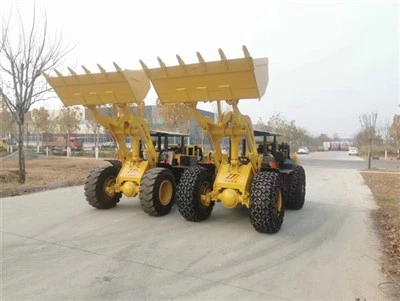
When it comes to large mining vehicles, one of the most pressing concerns for operators and businesses alike is fuel consumption. As a leading supplier of large mining vehicles, I've witnessed firsthand the impact that fuel costs can have on the bottom line of mining operations. In this blog post, I'll delve into the factors that influence the fuel consumption of large mining vehicles, explore the latest technologies aimed at improving fuel efficiency, and discuss the implications for mining companies.
Factors Affecting Fuel Consumption
The fuel consumption of large mining vehicles is influenced by a multitude of factors, both internal and external to the vehicle itself. Understanding these factors is crucial for optimizing fuel efficiency and reducing operating costs.
Vehicle Design and Configuration
The design and configuration of a mining vehicle play a significant role in determining its fuel consumption. Larger vehicles with higher payload capacities typically require more power to operate, which translates to increased fuel consumption. Additionally, the aerodynamics of the vehicle, the weight of its components, and the efficiency of its drivetrain all contribute to its overall fuel efficiency. For example, vehicles with streamlined designs and advanced transmission systems tend to consume less fuel than those with boxy shapes and outdated drivetrains.
Operating Conditions
The operating conditions in which a mining vehicle is used also have a profound impact on its fuel consumption. Factors such as terrain, load, speed, and traffic can all affect how much fuel a vehicle uses. For instance, vehicles operating on rough or hilly terrain will consume more fuel than those operating on flat, smooth surfaces. Similarly, vehicles carrying heavy loads or traveling at high speeds will require more power and, therefore, more fuel.
Driver Behavior
Driver behavior is another important factor that can influence the fuel consumption of large mining vehicles. Aggressive driving habits, such as rapid acceleration, hard braking, and excessive idling, can significantly increase fuel consumption. On the other hand, drivers who practice smooth, efficient driving techniques can help reduce fuel usage and save money for their companies. Training drivers on fuel-efficient driving practices is an effective way to improve the overall fuel efficiency of a mining fleet.
Technologies for Improving Fuel Efficiency
In recent years, there has been a growing emphasis on developing technologies to improve the fuel efficiency of large mining vehicles. These technologies aim to reduce fuel consumption, lower emissions, and improve the overall sustainability of mining operations.
Hybrid and Electric Vehicles
One of the most promising technologies for improving fuel efficiency in large mining vehicles is the use of hybrid and electric powertrains. Hybrid vehicles combine a traditional internal combustion engine with an electric motor and battery system, allowing them to switch between the two power sources depending on the driving conditions. Electric vehicles, on the other hand, rely solely on electric power and produce zero emissions. Both hybrid and electric vehicles offer significant fuel savings compared to traditional diesel-powered vehicles, especially in stop-and-go traffic or in applications where regenerative braking can be utilized.
Advanced Engine Technologies
Another area of focus for improving fuel efficiency in large mining vehicles is the development of advanced engine technologies. These technologies include direct injection, turbocharging, and variable valve timing, which can improve engine performance and reduce fuel consumption. Additionally, the use of alternative fuels, such as natural gas or biofuels, can also help reduce emissions and improve the environmental sustainability of mining operations.
Telematics and Fleet Management Systems
Telematics and fleet management systems are becoming increasingly popular in the mining industry as a way to monitor and optimize vehicle performance. These systems use sensors and GPS technology to collect data on vehicle location, speed, fuel consumption, and other parameters. By analyzing this data, fleet managers can identify areas where fuel efficiency can be improved, such as inefficient routes or excessive idling. Additionally, telematics systems can provide real-time feedback to drivers, allowing them to adjust their driving behavior and improve fuel efficiency.
Implications for Mining Companies
The fuel consumption of large mining vehicles has significant implications for mining companies in terms of cost, productivity, and environmental sustainability. By understanding the factors that influence fuel consumption and implementing technologies to improve fuel efficiency, mining companies can reduce their operating costs, increase their productivity, and minimize their environmental impact.
Cost Savings
Fuel is one of the largest operating expenses for mining companies, and reducing fuel consumption can result in significant cost savings. By investing in fuel-efficient vehicles and technologies, mining companies can lower their fuel bills and improve their bottom line. Additionally, reducing fuel consumption can also help mining companies mitigate the impact of rising fuel prices, which can have a significant impact on their profitability.
Productivity
Improving fuel efficiency can also have a positive impact on the productivity of mining operations. Fuel-efficient vehicles require less downtime for refueling, which means they can spend more time on the job. Additionally, by reducing the weight of the vehicle and improving its aerodynamics, fuel-efficient vehicles can also improve their acceleration and speed, allowing them to transport materials more quickly and efficiently.
Environmental Sustainability
In today's world, environmental sustainability is becoming increasingly important for mining companies. By reducing their fuel consumption and emissions, mining companies can minimize their environmental impact and meet the growing demand for sustainable mining practices. Additionally, investing in fuel-efficient vehicles and technologies can also help mining companies improve their reputation and attract socially responsible investors.

Conclusion
As a supplier of large mining vehicles, I understand the importance of fuel efficiency for mining companies. By understanding the factors that influence fuel consumption, implementing technologies to improve fuel efficiency, and training drivers on fuel-efficient driving practices, mining companies can reduce their operating costs, increase their productivity, and minimize their environmental impact. If you're interested in learning more about our fuel-efficient large mining vehicles or discussing your specific needs, please don't hesitate to [initiate a contact for procurement discussion].
References
- SAE International. (20XX). Fuel Efficiency in Heavy-Duty Vehicles.
- Mining Equipment Manufacturers Association. (20XX). Best Practices for Reducing Fuel Consumption in Mining Vehicles.
- International Council on Mining and Metals. (20XX). Sustainable Mining Guidelines.