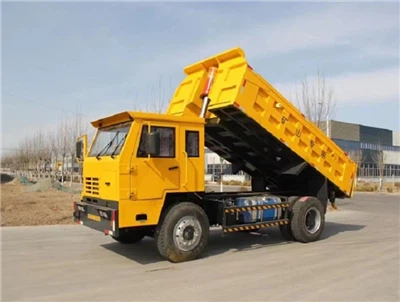
As a seasoned supplier of Explosion-proof Loaders, I've been asked numerous questions over the years. One that frequently comes up is, "What is the maximum gradient an explosion - proof loader can climb?" This is a crucial question, especially for industries like coal mining, where these loaders are often required to operate on uneven and sloped terrains. In this blog, I'll delve into the factors that determine the maximum climbing gradient of an explosion - proof loader and provide some insights based on our experience in the field.
Understanding the Basics of an Explosion - proof Loader
Before we discuss the maximum climbing gradient, let's briefly understand what an explosion - proof loader is. An Explosion-proof Loader is a specialized piece of equipment designed to operate safely in hazardous environments where there is a risk of explosions. These environments typically include coal mines, chemical plants, and oil refineries. The loader is equipped with explosion - proof components, such as engines, electrical systems, and hydraulic systems, to prevent the ignition of flammable gases or dust.
In coal mining, Coal Mining Wheel Loader is a common type of explosion - proof loader. It is used for tasks such as loading coal onto trucks, transporting materials within the mine, and clearing debris. The ability of these loaders to climb gradients is essential for efficient operation in the mine, where slopes are often encountered.
Factors Affecting the Maximum Climbing Gradient
The maximum climbing gradient of an explosion - proof loader is influenced by several factors. Let's take a closer look at each of these factors:
1. Engine Power
The engine is the heart of the loader, and its power plays a significant role in determining the climbing ability. A more powerful engine can generate more torque, which is necessary to overcome the gravitational force when climbing a slope. The power of the engine is usually measured in horsepower (hp) or kilowatts (kW). Generally, loaders with higher engine power can climb steeper gradients.
For example, a loader with a 150 - hp engine may be able to climb a gradient of 20 degrees, while a loader with a 200 - hp engine may be able to handle a 25 - degree gradient. However, it's important to note that engine power is not the only factor; other components of the loader also need to be able to transmit and utilize this power effectively.
2. Traction
Traction is another crucial factor. It refers to the grip between the tires or tracks of the loader and the ground surface. Good traction is essential for the loader to move forward without slipping on a slope. The type of tires or tracks used on the loader, as well as the condition of the ground surface, can affect traction.
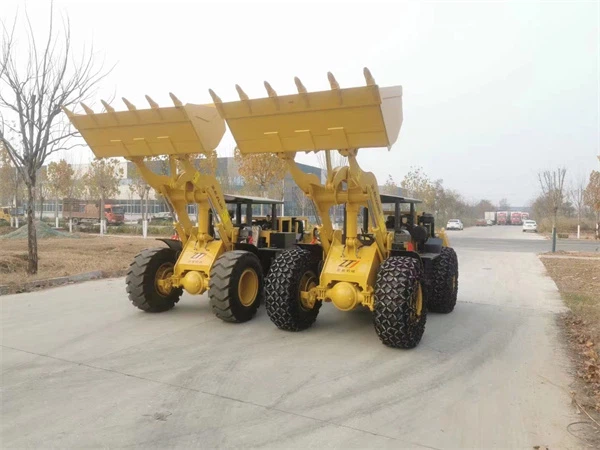
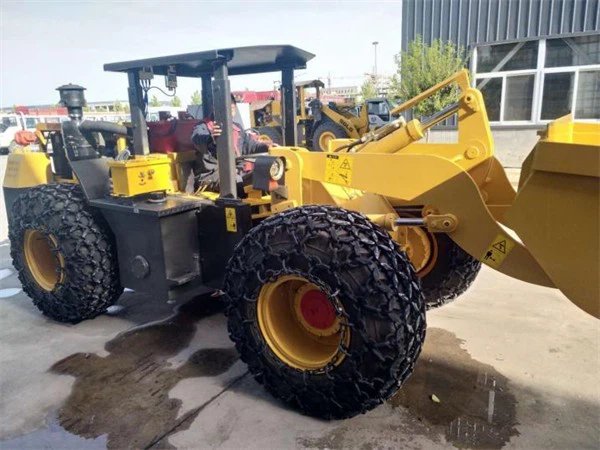
In coal mines, the ground can be wet, slippery, or covered with loose coal or debris. To improve traction, explosion - proof loaders are often equipped with special tires or tracks designed for these conditions. For instance, some loaders use deep - tread tires that can provide better grip on uneven or slippery surfaces. Additionally, Explosion-proof Trackless Rubber Wheel Vehicle can also offer good traction due to the design of the rubber wheels and the way they interact with the ground.
3. Weight Distribution
Proper weight distribution is necessary to maintain stability while climbing. If the weight of the loader is not evenly distributed, it can cause the loader to tip over, especially on steep slopes. The weight of the load being carried by the loader also affects the weight distribution.
Manufacturers design explosion - proof loaders with a carefully calculated weight distribution to ensure optimal performance on slopes. For example, the center of gravity of the loader is usually positioned low to the ground to increase stability. When loading materials, operators need to be aware of the weight limits and ensure that the load is evenly placed in the bucket.
4. Transmission System
The transmission system of the loader is responsible for transferring power from the engine to the wheels or tracks. A well - designed transmission system can provide the right amount of torque at different speeds, which is crucial for climbing gradients.
There are different types of transmission systems, such as manual transmissions and automatic transmissions. Automatic transmissions are often preferred in explosion - proof loaders because they can adjust the gear ratio automatically, making it easier for the operator to climb slopes without having to shift gears manually.
Typical Maximum Climbing Gradients
Based on our experience and industry standards, the maximum climbing gradient of an explosion - proof loader can range from 15 to 30 degrees. However, this can vary depending on the specific model and configuration of the loader, as well as the operating conditions.
In coal mines, where safety is of utmost importance, loaders are usually operated on gradients that are well within their capabilities. A gradient of 20 degrees is commonly considered a safe and practical limit for most explosion - proof loaders in coal mining operations. This allows the loader to operate efficiently while minimizing the risk of accidents.
Safety Considerations
When operating an explosion - proof loader on slopes, safety should always be the top priority. Here are some safety considerations:
- Operator Training: Operators should receive comprehensive training on how to operate the loader on slopes. This includes understanding the limitations of the loader, proper weight distribution, and how to handle emergency situations.
- Regular Maintenance: Regular maintenance of the loader is essential to ensure that all components are in good working condition. This includes checking the engine, transmission, brakes, and tires.
- Site Inspection: Before operating the loader on a slope, the site should be inspected to identify any potential hazards, such as loose rocks, uneven ground, or slippery surfaces.
Conclusion
The maximum gradient an explosion - proof loader can climb is determined by a combination of factors, including engine power, traction, weight distribution, and transmission system. While the typical range is between 15 and 30 degrees, in coal mining, a 20 - degree gradient is often considered a safe and practical limit.
As a supplier of explosion - proof loaders, we are committed to providing high - quality equipment that meets the needs of our customers in hazardous environments. Our loaders are designed with the latest technology and safety features to ensure optimal performance on slopes.
If you are in the market for an explosion - proof loader or have any questions about their climbing capabilities, please feel free to contact us for more information and to discuss your specific requirements. We look forward to partnering with you to meet your industrial equipment needs.
References
- Engineering Handbook of Mining Equipment
- Safety Standards for Explosion - proof Machinery in Hazardous Environments