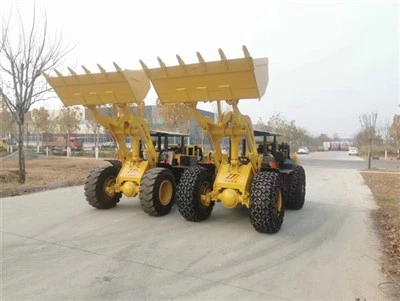
The noise level of machinery is a crucial factor, especially in industrial and mining operations. As a supplier of 80 Mucking Loaders, I understand that the noise level of our equipment is not only a matter of environmental compliance but also has a significant impact on the health and safety of operators. In this blog, I will delve into the noise level of an 80 Mucking Loader, exploring its causes, measurement, and the importance of noise control.
Understanding the 80 Mucking Loader
Before we discuss the noise level, it's essential to understand what an 80 Mucking Loader is. An 80 Mucking Loader is a type of heavy - duty equipment commonly used in mining, tunneling, and other underground construction projects. It is designed to load muck (loose rock, soil, or other debris) onto trucks or conveyors efficiently. The "80" in its name usually refers to its rated power or capacity, indicating that it is a medium - to large - sized loader with relatively high performance.
Causes of Noise in an 80 Mucking Loader
The noise generated by an 80 Mucking Loader comes from multiple sources:
Engine Noise
The engine is one of the primary sources of noise. An 80 Mucking Loader is typically powered by a diesel engine. The combustion process inside the cylinders, the movement of pistons, and the operation of the exhaust system all contribute to engine noise. Diesel engines are known for their relatively high - pitched and intense noise, especially during high - load operations such as when the loader is accelerating or lifting heavy muck.
Hydraulic System Noise
The hydraulic system is another significant source. It includes pumps, valves, and cylinders. The pumping action of the hydraulic pump can create vibrations and noise. When the valves open and close, sudden changes in pressure occur, which can also produce sharp noises. The movement of the cylinders as they extend and retract to operate the loader's arms and buckets also generates noise.


Mechanical Components Noise
There are numerous mechanical components in an 80 Mucking Loader, such as gears, bearings, and chains. The meshing of gears, the rotation of bearings, and the movement of chains can all produce noise. Wear and tear on these components over time can increase the noise level as well, as the clearances between parts may change, leading to more irregular movements and vibrations.
Measuring the Noise Level of an 80 Mucking Loader
The noise level of an 80 Mucking Loader is usually measured in decibels (dB). The measurement is taken using a sound level meter, which is a device specifically designed to measure the intensity of sound.
Standard Measurement Conditions
To ensure accurate and comparable measurements, specific standards and conditions are followed. For example, the measurement is often taken at a certain distance from the loader, typically 1 meter or 3 feet away from the source of the noise. The measurement is also made under standardized operating conditions, such as the loader operating at a specific power level or performing a particular task (e.g., continuous loading of muck).
Typical Noise Levels
The noise level of an 80 Mucking Loader can vary depending on its design, age, and operating conditions. On average, an 80 Mucking Loader may produce noise levels in the range of 90 - 105 dB(A) at the operator's position. The "A" weighting in dB(A) is used to approximate the way the human ear perceives sound. Levels above 85 dB(A) are considered potentially harmful to human hearing if exposure is prolonged.
Importance of Noise Control in an 80 Mucking Loader
Noise control is of utmost importance for several reasons:
Operator Health and Safety
Exposure to high - level noise for an extended period can cause permanent hearing damage, such as noise - induced hearing loss. It can also lead to other health problems, including stress, fatigue, and reduced concentration, which can increase the risk of accidents in the workplace. By controlling the noise level of the 80 Mucking Loader, we can protect the health and well - being of the operators.
Environmental Compliance
Many countries and regions have strict regulations regarding noise emissions from industrial equipment. Non - compliance can result in fines and legal issues for mining and construction companies. As a supplier, we ensure that our 80 Mucking Loaders meet the relevant noise emission standards, which helps our customers avoid potential legal troubles.
Productivity
A noisy work environment can be distracting and demotivating for operators. When operators are constantly exposed to high - level noise, their performance may decline, leading to lower productivity. By reducing the noise level of the 80 Mucking Loader, we can create a more comfortable working environment, which in turn can improve productivity.
Our Noise Reduction Measures
As a responsible supplier of 80 Mucking Loaders, we have implemented several noise reduction measures:
Engine Enclosure
We use specially designed engine enclosures that are made of sound - absorbing materials. These enclosures can effectively reduce the noise emitted from the engine by containing and dampening the sound waves. The design of the enclosure also takes into consideration the ventilation requirements of the engine to ensure proper cooling.
Hydraulic System Optimization
We optimize the hydraulic system by using high - quality components and improving the system layout. This helps to reduce the pressure fluctuations and vibrations that cause noise. For example, we install vibration - damping mounts for the hydraulic pump and use smooth - flowing valves to minimize the noise generated during the operation of the hydraulic system.
Mechanical Component Maintenance
We provide regular maintenance guidelines to our customers to ensure that the mechanical components of the 80 Mucking Loader are in good condition. Proper lubrication, alignment, and replacement of worn - out parts can significantly reduce the noise generated by the mechanical components.
Comparison with Other Similar Equipment
For those who are considering different types of mucking loaders or related equipment, it's useful to make a comparison. Our 120 Mud Scraper Equipment and Crawler Type Slag Scraper also have their own noise characteristics. The 120 Mud Scraper Equipment, with a larger capacity, may have a different noise profile due to its more powerful engine and larger - scale operations. The Crawler Type Slag Scraper, on the other hand, has a different mobility design but also faces similar noise - related challenges, which we have also addressed through our noise control technologies. Additionally, our Small Mucking Loader for Mining is designed for more confined spaces and has different noise levels compared to the 80 Mucking Loader, with our engineering team focusing on minimizing noise without sacrificing performance.
Conclusion
In conclusion, the noise level of an 80 Mucking Loader is a complex issue that involves multiple factors such as engine operation, hydraulic systems, and mechanical components. As a supplier, we are committed to reducing the noise level of our 80 Mucking Loaders through various measures to protect the health and safety of operators, meet environmental regulations, and improve productivity.
If you are in the market for an 80 Mucking Loader or any related equipment, we would be delighted to discuss your specific requirements with you. Our team of experts can provide detailed information about the noise levels, performance, and cost - effectiveness of our products. Contact us for more information and to start a fruitful procurement discussion.
References
- ISO 6396:2008 - Earth - moving machinery — Laboratory measurements of operator seat vibration
- OSHA (Occupational Safety and Health Administration) Noise Exposure Standards
- Manufacturer's documentation on 80 Mucking Loader specifications